Fight IQ — Pro Wrestling Glossary
Ring psychology is why wrestling works — the invisible craft that turns moves into moments and matches into stories you remember for years.
This guide covers how wrestling matches are structured like three-act narratives, what selling actually does, how character archetypes drive emotional investment, and why the best matches feel genuinely suspenseful even when outcomes are predetermined.
The Art of In-Ring Storytelling
What Is Ring Psychology?
Ring psychology is the art and craft of telling a story inside a wrestling ring — the invisible layer of technique that determines why some matches feel genuinely compelling and others feel like sequences of moves strung together. It’s the difference between a crowd that’s passively watching two athletes perform and a crowd that’s on its feet, emotionally invested in who wins and why.
The term encompasses everything a wrestler does to create meaning inside a match: how they pace their offense, how they react to their opponent’s attacks, how they build toward a finish, how they use their character to frame the in-ring action, and how they adapt in real time to what the crowd is giving them. Ring psychology is why kayfabe works — why audiences can know that professional wrestling is predetermined and still feel genuine tension and catharsis when the story is told well.
The concept is discussed constantly inside wrestling locker rooms and rarely explained clearly to fans — which is part of why a match can be technically impressive yet somehow unsatisfying, or conversely why a relatively simple match between two good storytellers can be the most memorable thing on a card. Ring psychology is the invisible craft that makes the difference, and understanding it changes how you watch wrestling entirely.
The Architecture of Wrestling Narratives
Wrestling promotions construct their storylines using the same fundamental narrative architecture that has driven compelling drama for centuries: a beginning, middle, and end, each serving distinct purposes in building and releasing audience emotion.
The beginning establishes stakes, characters, and motivations. An inciting incident — a betrayal, a championship challenge, a public humiliation, a stolen moment — launches the narrative forward and gives the audience a reason to care about the people involved. This setup work takes place in promos, backstage segments, and vignettes, and it’s just as important to the eventual match as anything that happens between the ropes. A match with no setup context is just an athletic exhibition. A match that’s the culmination of a months-long feud carries the weight of everything that preceded it.

The middle escalates tension through matches, surprise developments, and moments that test character loyalties and deepen the conflict. This is where booking decisions matter most — the pivotal turns, the interference spots, the injury angles that make the eventual conclusion feel genuinely uncertain. Characters with clear vulnerabilities and credible motivations create deeper emotional investment during this escalating phase than characters who simply represent “good” or “evil” without further definition.
The end delivers resolution through a definitive confrontation — typically a major match featuring a title change, a stipulation, or a dramatic reveal. This is the payoff the preceding weeks or months of storytelling have been building toward, and it only lands with full emotional weight if the earlier acts have done their work properly. A finish that pays off genuine narrative investment is one of wrestling’s most powerful moments. A finish that arrives without that investment is just a result.
This structure applies at both the macro level — an entire feud arc — and the micro level of a single match. Individual matches have their own beginning (establishing the competitive dynamic and early character work), middle (the heat segment, the escalation of damage, the near-falls), and end (the finishing sequence and result). Understanding that a match is a compressed narrative arc, not just a series of moves, is the starting point for understanding ring psychology.
Creating Emotional Investment
Professional wrestling deliberately engineers emotional responses through a sophisticated set of psychological techniques that transform casual viewers into genuinely invested spectators. This isn’t a byproduct of good athletic performance — it’s a deliberate craft, and the best wrestlers are as skilled at manipulating audience emotion as they are at executing moves.
The foundation is clear moral framing. Audiences invest emotionally when they understand who to root for and why. The face and heel system provides this framework — heroes and villains with clearly communicated motivations — but the most sophisticated version goes beyond simple alignment. It gives both characters a comprehensible point of view, which is why the villain’s actions feel rooted in something the audience can understand, even as they boo.
Selling is the primary emotional amplification tool during a match. When a wrestler reacts to their opponent’s offense with convincing pain, effort, and vulnerability, the audience feels the stakes in a physical, immediate way. Conversely, when selling is absent or unconvincing, the emotional stakes collapse — the moves stop feeling dangerous, the drama evaporates, and the audience disengages regardless of what the story is supposed to be.
The call-and-response dynamic with the crowd creates shared emotional experience and allows the audience to feel like participants rather than observers. Wrestling is unique as entertainment in the degree to which live crowd reactions can influence what’s happening in the ring — a crowd that erupts for a near-fall gets a pause to let the reaction breathe; a silent crowd tells performers to adjust their approach. This feedback loop is part of what makes live wrestling different from watching the same match on tape.
Hope and disappointment cycles are the match-level emotional mechanism. A face builds toward a comeback — the crowd’s anticipation rises — then gets cut off by heel interference or a counter. That disappointment amplifies the investment for the next attempt. Done correctly through multiple cycles in a single match, this technique produces the cathartic release of the eventual face comeback as one of wrestling’s most reliable emotional payoffs. The crowd doesn’t just cheer the win — they exhale.
Heroes, Villains, and Character Archetypes
Character archetypes are the building blocks of wrestling storytelling precisely because they tap into fundamental human emotional templates. The underdog, the rebel, the tyrant, the enforcer, the coward — these resonate across cultures and contexts because they reflect recognisable patterns in human experience. Wrestling didn’t invent these archetypes; it deploys them in a theatrical context where the audience can experience the associated emotions in a heightened, performative way.
The face embodies justice, resilience, and perseverance in the face of overwhelming odds. The heel represents the specific things an audience finds contemptible — arrogance, cheating, the abuse of power, the exploitation of advantage. The contrast between them creates a moral framework that makes the outcome of their conflicts feel meaningful rather than arbitrary. When the face eventually triumphs, it’s not just a sporting victory — it’s a moral resolution, which carries significantly more emotional weight.
Modern wrestling has complicated this framework in productive ways. Antiheroes, tweeners, and morally ambiguous characters who resist clear alignment create genuine narrative unpredictability and passionate fan debate about character. When wrestlers shift between archetypes through betrayal or revelation — a trusted ally turns villain, a despised heel earns grudging respect — the emotional stakes escalate dramatically because the audience’s existing investment in the character is redirected rather than discarded.
The match structure itself reinforces these archetypal roles. The heat segment — where the heel controls the match through underhanded tactics, cutting off face comeback attempts, using interference or rule-breaking to maintain advantage — builds sympathy for the face and frustration toward the villain. The face comeback provides the cathartic reversal. This structure is simple enough to work on audiences with no prior knowledge of the characters, and deep enough to carry genuine emotional weight when backed by months of storyline investment.
Effective character work requires wrestlers to commit fully to their persona while retaining the self-awareness to adapt their performance to the crowd’s response. A character’s credibility depends on consistency — how they carry themselves, how they respond to adversity, and what they’re willing to do or not do. Inconsistencies in character logic are what cause audiences to disengage from storylines that seemed promising on paper.
The Art of Selling: Physical Storytelling
Selling is the physical craft at the heart of ring psychology — the art of convincingly portraying the impact and accumulating consequences of an opponent’s offense. It’s how wrestlers make athletic performance feel like genuine physical drama rather than choreographed exhibition.
Effective selling relies on body language, facial expressions, and timing rather than on exaggerated theatrics. A wrestler who limps after a knee attack, clutches their ribs after a series of body shots, or staggers with progressively diminishing recovery after repeated impact is communicating a coherent physical story — this body has taken damage, this accumulation matters, this finish is approaching because of specific things that have happened. That narrative coherence is what makes finishing sequences feel inevitable rather than arbitrary.
Targeting specific body parts is one of ring psychology’s most reliable storytelling tools. A heel who spends the heat segment working a single limb — repeatedly attacking the same knee, returning to it after every near-escape — builds a logical progression of damage that gives the eventual submission or knockout finish an internal cause-and-effect logic. The audience has watched that body part get systematically broken down. When it finally fails, it makes sense. Without that groundwork, finishing moves can look like moves that happen to win matches rather than inevitable physical conclusions.
Sustained selling across a match is the separator between good and great ring psychology. It’s technically straightforward to sell a move immediately after it lands. It requires real craft to remember that damage thirty seconds later when executing an offensive sequence, to let that established injury subtly affect everything that follows rather than resetting to full capacity between exchanges. The matches that feel most psychologically coherent are the ones where accumulated damage is honoured throughout rather than forgotten between spots.
Tactical Storytelling: Combat as Direction
At its most sophisticated, ring psychology means functioning as both athlete and director inside the match — orchestrating sequences not just for athletic impressiveness but for narrative purpose. Every offensive choice is also a storytelling choice: what does this move communicate about who this character is, what they want, and where this match is going?
Strategic innovation in move sets and counters maintains unpredictability while serving narrative logic. A counter that reverses a signature submission attempt at a critical moment can communicate character resilience more powerfully than a full offensive sequence. The audience reads that moment not just athletically but emotionally — this person refuses to stay beaten, understands what it takes to beat their opponent, and has found something from somewhere.
Environmental elements — weapons, stipulations, cage structures, special referee arrangements — provide unique storytelling opportunities by changing the rules of the world the match operates in. A cage match isn’t just a different setting; it’s a context where escape is victory, which changes every near-decision in the match from a pin attempt into an escape attempt, and where the physical barrier itself becomes a storytelling object. The stipulation doesn’t just add drama — it creates a different emotional grammar for the entire contest.
The most skilled performers adapt their approach mid-match based on opponent style and live crowd response — adjusting the pacing when the audience needs more time to recover between peaks of tension, escalating when the crowd is pushing them forward, and finding the moments when the match and the audience’s emotional state are perfectly aligned. This real-time direction is what separates a performed match from a genuinely collaborative in-ring story.
Establishing what’s at stake — championship implications, personal vendettas, career consequences — is the foundation that makes all this tactical storytelling land. The same sequence of moves means different things in a throwaway match versus a grudge match with a stipulation attached. Context is inseparable from execution in ring psychology, which is why matches that look identical on paper can feel completely different in practice.
External Storylines and In-Ring Action
The most memorable matches in wrestling history rarely exist in isolation. They function as the climactic chapter of a longer narrative — the physical resolution of a conflict that’s been built through weeks or months of character development, betrayals, promos, and escalating confrontations. The match itself is the final act; ring psychology is how the performers bring all that accumulated context into the ring.
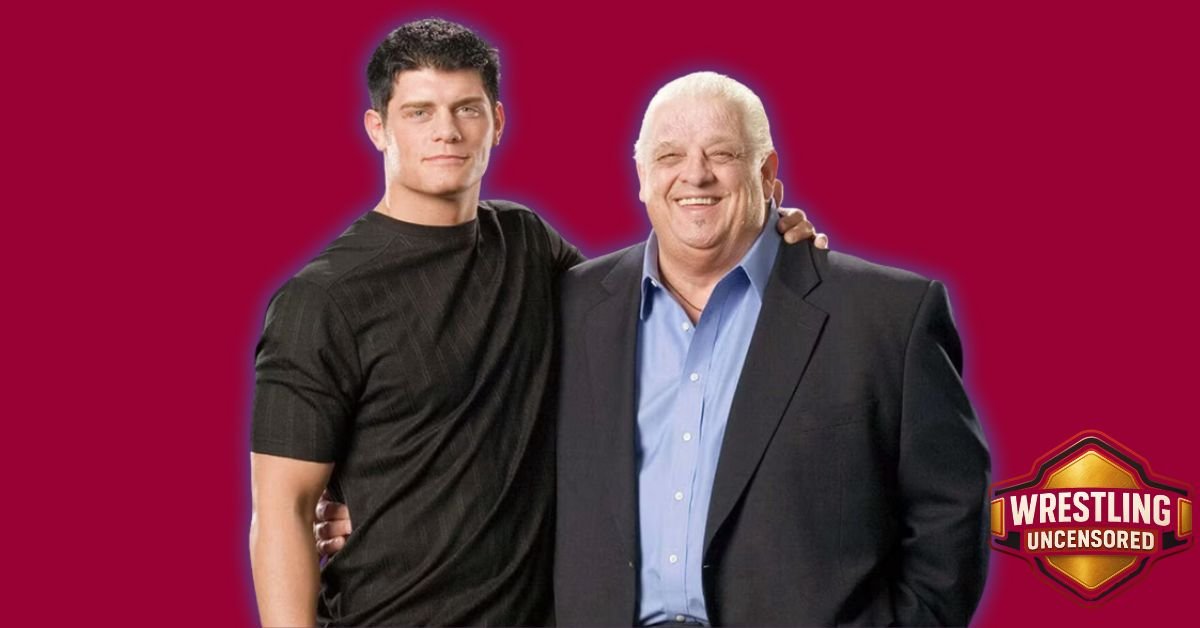
Cody Rhodes’ multi-year pursuit of the WWE championship to honour his father, Dusty, and fulfil his unfulfilled dreams is a clear modern example of how personal stakes transform a standard title match into something with genuine emotional weight. The championship wasn’t just a prop in that story — it was the specific object that represented an unfinished family legacy. Every match in that arc carried that context, and the crowd’s reaction to the eventual win reflected years of emotional investment, not just the match’s quality.
Similarly, faction breakups and betrayals add layers of personal history to matches between former allies. When Batista and Triple H eventually clashed after Evolution’s dissolution, every exchange between them was coloured by what they had been to each other — the match had pre-existing meaning before the first lockup. That’s the specific power of long-term storytelling integrated with in-ring action: it makes a wrestling match the vehicle for resolving something the audience has been emotionally invested in, sometimes for a very long time.
The integration happens through specific match construction choices — spots that directly echo earlier narrative beats, finishing sequences that pay off established vulnerabilities, moments where the match outcome directly addresses the emotional question the feud has been asking. When this is executed well, the match feels not just athletically satisfying but narratively complete. Commentary reinforces these connections throughout, verbalising the storyline that frames what the audience sees in the ring.
Level Up Your Fight IQ
Ring psychology connects every other part of the pro wrestling vocabulary:
Frequently Asked Questions
What is ring psychology in pro wrestling?
Ring psychology is the art of telling a coherent story inside a wrestling match — the invisible craft that transforms athletic performance into emotionally compelling drama. It encompasses how wrestlers pace their offense, sell their opponent’s moves, build toward a finish, use their characters to frame the action, and adapt in real time to crowd responses. A match with strong ring psychology feels genuinely suspenseful and emotionally satisfying even when the outcome is predetermined. A match without it can be technically impressive but leave audiences cold.
How do wrestlers communicate and call spots during a match?
Wrestlers communicate during matches through several channels that are designed to be invisible to the audience. They talk in hushed tones with their mouths hidden behind their opponent’s body or a clenched expression. Physical signals — taps, squeezes, and weight shifts — are exchanged during close-contact positions, such as headlocks. Communication is timed to coincide with crowd noise peaks when ambient sound masks conversation. Spot-calling is integrated into character-appropriate trash talk and grunts, so the communication itself becomes part of the performance.
What role do referees play in ring psychology?
Referees function as silent storytellers whose positioning and reactions shape the emotional experience of a match. Strategic positioning that blocks their line of sight allows heel interference to succeed in kayfabe. Referee facial expressions during near-falls guide audience reactions and amplify tension. Controversial decisions create rematch narratives. Referee bumps — when the official is incapacitated — create windows for interference that can change the match’s direction. Selective enforcement of rules during heel heat segments reinforces the moral framework of the story being told.
Can great ring psychology save a weak storyline?
Strong ring psychology can temporarily elevate weak storylines through compelling character work and genuine emotional investment in a single match, but it cannot fully rescue fundamentally flawed booking. Two performers with excellent in-ring storytelling instincts can create a memorable individual match even within a poorly constructed feud. However, without coherent narrative direction or meaningful stakes, even exceptional match psychology produces short-term engagement rather than the sustained investment that makes wrestling stories truly land.
How has ring psychology changed in the social media era?
Modern ring psychology has adapted to audiences who recognise traditional wrestling patterns and expect subversion. Performers now build character narratives across multiple platforms — social media posts, podcast appearances, YouTube content — that extend the storytelling context into every moment between televised appearances. In-ring work increasingly incorporates meta-references and callbacks to online discourse, and individual moments are constructed with awareness that they will be replayed, clipped, and analysed across digital platforms. This creates new possibilities for layered storytelling while requiring performers to maintain character consistency across a much wider range of public touchpoints.