
Fight IQ: Pro Wrestling Glossary
A gimmick is a wrestler’s character: the persona, backstory, visual identity, and behavioral traits that transform an athlete into someone an audience cares about.
This guide covers what a gimmick actually is, the classic character archetypes that wrestling has always relied on, how gimmicks are recycled and reinvented across generations, and why the right character can define, or destroy, a career.
The Art of Reinvention
What Is a Gimmick in Pro Wrestling?
In professional wrestling, a gimmick is a wrestler’s character: the complete package of persona, backstory, physical presentation, ring attire, entrance music, catchphrases, behavioral traits, and in-ring style that defines who they are to the audience. The word comes from carnival slang for a trick or device used to attract attention, and in wrestling, it retains that original sense: a gimmick is the thing that makes a performer stand out and gives audiences a reason to care.
A gimmick is what separates “Steve Borden, wrestler” from Sting. It is the difference between a performer who can execute moves and a character audiences invest years of emotional attention in. The Undertaker’s supernatural mortician persona, The Rock’s arrogant People’s Champion, CM Punk’s straight-edge anti-establishment voice: these are gimmicks, and without them, the same athletic performances would mean considerably less.
In industry terms, “having a gimmick” means having a defined character. “Getting a gimmick” means being assigned or developing a specific persona. A gimmick that “gets over” is one that connects with audiences and generates genuine emotional reactions: cheers for faces, heat for heels, or the specific complex response that a tweener generates. A gimmick that doesn’t get over is one the promotion will eventually abandon, reassign, or attempt to reinvent. The gimmick is the commercial and creative foundation on which everything else in a wrestling career is built.
The Foundation and Function of Wrestling Personas
Professional wrestling’s transformation from legitimate athletic competition to theatrical entertainment hinged on one essential innovation: the systematic development of larger-than-life personas that could captivate audiences beyond mere athletic prowess.
These personas serve multiple interconnected functions that form wrestling’s commercial foundation. They provide a clear narrative structure by establishing heroes and villains, creating emotional investment that transcends athletic performance. The careful crafting of these personas requires promo skills that combine character development, storytelling, and performance to make characters feel believable and compelling rather than obviously constructed.
Television amplified this evolution, demanding visually striking characters with dramatic traits that translated effectively to screens. The persona system enables promotions to build sustained storylines, launch merchandise campaigns, and attract mainstream attention. Characters like Sting transformed from franchise players into avenging angels through dramatic narrative shifts that deepened audience engagement over years of storytelling: changes that only carry emotional weight because the underlying gimmick had been established so thoroughly.
Each gimmick combines backstory, visual presentation, signature moves, and behavioral quirks into a cohesive character that audiences can immediately identify and emotionally connect with. The goal is instant recognition: a crowd should know who a wrestler is and how to respond to them within seconds of their entrance, before any wrestling has happened at all.
Classic Character Types That Define the Ring
Wrestling’s most enduring characters emerged from a surprisingly limited toolkit of archetypal personas that promoters refined across decades of audience testing. The same character types recur across eras because they tap into emotional templates that remain consistent regardless of when or where the audience is watching.
Hero archetypes typically fell into distinct categories: the integrity-driven everyman exemplified by Dusty Rhodes, the patriotic All-American champion designed to generate crowd unity, the sympathetic underdog overcoming impossible odds, the high-energy showman like The Ultimate Warrior, whose physical charisma communicated character before a word was spoken, and the regional hero whose specific cultural identity connected with particular markets.
Villain archetypes operated from equally reliable templates. Foreign menaces like The Iron Sheik exploited geopolitical tensions for instant heat without requiring any narrative setup. Corrupt authority figures abused structural power to incite crowd hostility. Betrayers transformed beloved heroes into despised traitors: the heel turn, which works precisely because it inverts a relationship the audience had already invested in. Monster heels like Kane dominated through sheer physical intimidation, requiring no personality beyond unstoppable force. Wealthy aristocratic snobs created natural class-based rivalries that resonated across demographic lines by targeting near-universal audience resentment.
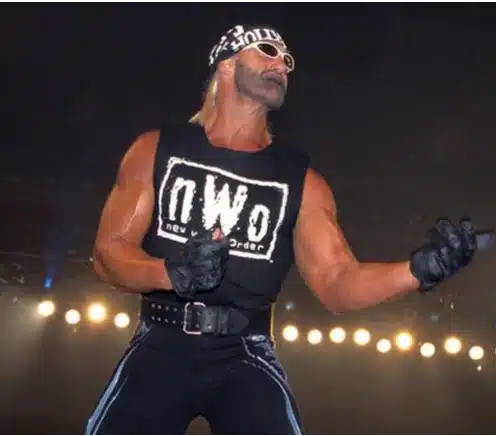
Hulk Hogan’s transformation from the defining American hero to Hollywood Hogan and the nWo’s founding villain in 1996 demonstrated how completely the same performer could inhabit opposite ends of the face-heel spectrum, and how dramatically that switch could energize an entire industry when executed at the right moment with the right character logic behind it.
How Gimmicks Transform and Recycle Through Wrestling History
While other entertainment industries constantly chase originality, professional wrestling thrives on deliberate repetition: transforming successful character formulas across generations with calculated precision.
The 1980s birthed cartoonish personas like The Ultimate Warrior and The Iron Sheik, designed for maximum mainstream appeal through visual spectacle and simple moral clarity. These exaggerated characters dominated until the Attitude Era and its aftermath shifted toward more realistic portrayals that used wrestlers’ actual names and genuine personality traits as their foundation. Randy Orton and John Cena exemplify this evolution: characters that feel like amplified versions of real people rather than wholly fictional constructions.
Promotions strategically revive legacy gimmick templates to capitalize on established fan familiarity while connecting different wrestling generations. Masked wrestlers, monster characters, and patriotic heroes resurface cyclically, each iteration reflecting the specific audience preferences of its era while drawing on the emotional recognition built by previous versions.
Repackaging breathes new life into stagnant careers. Batista’s transformation from “Deacon,” a background character in a faction, to serious main event competitor demonstrates how the right character shift at the right moment can unlock a performer’s full commercial potential. The same principle applies at the macro level: Hell in a Cell, the Elimination Chamber, and similar specialty match formats recycle and evolve the foundational Steel Cage concept to create fresh entertainment experiences without abandoning the proven emotional template. This recycling maintains wrestling’s historical continuity while adapting to contemporary storytelling demands and audience expectations.
The Power of Character in Storytelling and Match Dynamics
Character serves as the fundamental engine that powers every aspect of professional wrestling, from initial storyline conception to the final bell of a match. Believable personas enable audiences to suspend disbelief and become emotionally invested in predetermined outcomes: the work only functions if the characters feel real enough to care about.
Character dictates in-ring psychology, pacing, and strategic decisions that drive match dynamics. A monster heel doesn’t take shortcuts; they dominate physically. An underdog face doesn’t control the match; they survive. An arrogant heel stalls and avoids confrontation. These behavioral patterns extend the gimmick into the match itself, meaning the character is communicated not just through promos and entrances but through every decision made inside the ring.
Promoters prioritize character development because it directly impacts booking potential and career longevity. Face-heel dynamics set clear expectations for crowd reactions, while character-driven conflicts raise the stakes and generate greater fan investment. Wrestlers use promotional monologues to develop their personas further and advance ongoing storylines between matches, but the promo only works if the underlying character is already established clearly enough for the words to land with meaning.
Authenticity remains essential. Characters built on genuine aspects of the performer’s personality resonate longer with audiences, fostering deeper connections that translate into merchandise sales and sustained engagement. The best gimmicks feel like they could not belong to anyone else, which is why characters that emerge organically from what the performer actually is tend to outlast characters that are externally imposed.
When Gimmicks Succeed, Fail, and Shape the Industry
Wrestling history demonstrates that gimmicks possess extraordinary power to drive mainstream success or career stagnation. Hulk Hogan’s larger-than-life all-American persona sparked wrestling’s first mainstream boom in the 1980s. The Undertaker’s supernatural character sustained decades of relevance, remaining credible and emotionally resonant from 1990 through his final years, through consistent character logic and careful management of when and how the persona was used.
These iconic gimmicks transcended athletic ability, creating a lasting cultural impact that extended well beyond the performer’s physical peak. Successful character evolution, exemplified by The Rock and Triple H, can revitalize careers and generate greater stardom than the original version of the character achieved. The most compelling personas weave storytelling elements throughout their performances, creating emotional investment that extends far beyond individual contests and builds across years of accumulated narrative history.
Conversely, outdated or generic gimmicks lead to frequent repackaging and shortened main event windows. Wrestling’s shift from cartoonish personas to complex characters reflects evolving audience preferences: characters that felt fresh and exciting in one era can feel dated or condescending in another, requiring reinvention or retirement. Some wrestlers, like Charles Wright, endured multiple failed gimmick attempts before finding lasting success with the Godfather character: proof that the performer may be right even when a specific character concept isn’t.
Gimmicks drive merchandise sales, event attendance, and media coverage in ways that pure athletic performance cannot. Audience connection is the ultimate determinant of success: one genuinely compelling character, developed with the right performer and at the right moment, can cement decades of stardom and define an entire era of professional wrestling.
Level Up Your Fight IQ
The gimmick is the character. These guides cover what the character does:
Frequently Asked Questions
How much creative input do wrestlers have in developing their own gimmicks?
Wrestler creative input varies considerably across promotions and career stages. Established performers with proven track records typically enjoy substantial influence over their personas, while newer signings often receive assigned characters from creative teams. Independent promotions generally allow more wrestler autonomy than major companies like WWE, which centralize creative control and own the characters they develop. The best gimmicks usually emerge from genuine collaboration between the performer and management: the wrestler’s buy-in and personal connection to the character often separate a gimmick that feels authentic from one that feels externally imposed.
Do wrestlers stay in character backstage?
Wrestlers typically drop their personas during private backstage interactions, focusing instead on professionalism, match coordination, and working relationships with colleagues. Character work becomes secondary to choreographing matches, discussing safety, and maintaining the professional environment that allows everyone to do their job effectively. When cameras roll for televised backstage segments, character immersion is required. Some performers voluntarily stay in character as a personal discipline, particularly during storyline-heavy periods, but most professionals clearly separate their gimmick from their genuine backstage conduct.
What happens when a wrestler refuses an assigned gimmick?
Wrestling promotions typically impose significant consequences when performers refuse assigned gimmicks. Management may reduce screen time, demote wrestlers to lower card positions, or terminate contracts entirely. Standard contracts include creative compliance clauses giving promotions broad authority over character presentation. Wrestlers who refuse risk being labelled difficult to work with, potentially damaging future opportunities across the industry. However, some performers have successfully pushed back on gimmicks they felt were damaging to their career, and a small number have gained respect for defending their artistic integrity, though successful resistance without consequence remains rare, particularly for performers without significant existing leverage.
How do wrestling companies legally protect gimmick intellectual property?
Wrestling companies secure gimmick intellectual property through trademark registration covering names, catchphrases, costume designs, and specific character elements. Talent contracts typically assign ownership of company-developed characters to the promotion from the start of employment, meaning wrestlers who leave cannot take those characters with them. Companies enforce protection through cease-and-desist letters and litigation against unauthorized use. These legal safeguards enable exclusive merchandising and licensing deals while preventing competitors from exploiting company-developed personas, which is why so many departing wrestlers must rebrand entirely when they move to a new promotion.
Can wrestlers take their gimmick with them when switching promotions?
Wrestlers generally cannot take company-developed gimmicks with them when switching promotions due to intellectual property rights. Characters that were created or heavily developed by the company remain the company’s property, forcing departing wrestlers to rebrand. However, wrestlers who independently developed their personas before signing, or whose character is so closely tied to their real identity that it cannot be separated, often retain those rights. Generic archetypes can be adapted with modifications, while unique company-created characters remain strictly controlled. This is why so many wrestlers who were major stars under company-owned names and characters have had to essentially restart their character identity when they left.