
Fight IQ: Pro Wrestling Glossary
“Cutting a promo” is the art of the wrestling monologue, the microphone speech that builds character, establishes stakes, and makes the audience care about what happens next.
This guide covers the origins of the promo, how effective promos are constructed, the debate between scripted and improvised delivery, the physical performance elements, and the iconic promos that crossed over into broader pop culture.
What Is Cutting a Promo?
What Is Cutting a Promo?
In professional wrestling, cutting a promo means delivering a promotional speech, typically on a microphone in or near the ring, to build a character, advance a storyline, or hype an upcoming match. The word “promo” is shorthand for “promotional segment,” and “cutting” reflects the original function of these speeches: slicing through the noise of competing attractions to grab an audience’s attention and make them want to buy a ticket.
A promo is one of the primary tools professional wrestling uses to tell its stories outside of actual matches. Where ring psychology determines how a match is performed, the promo determines why the match matters: what the stakes are, what the characters want, and why the audience should care about the outcome. A technically great match with no emotional context produces a reaction. A technically average match that follows a genuinely compelling promo can produce something memorable.
Promo skill is considered one of the two core competencies in professional wrestling alongside in-ring work, and in the television era, it is often regarded as the more important of the two. Wrestlers who can cut effective promos get pushed to the top of the card. Wrestlers who cannot, regardless of their athletic ability, often struggle to connect with audiences at the main event level. The promo is where gimmick becomes character, and character becomes someone the audience genuinely invests in.
The Wrestling Ring Origins of Cutting a Promo
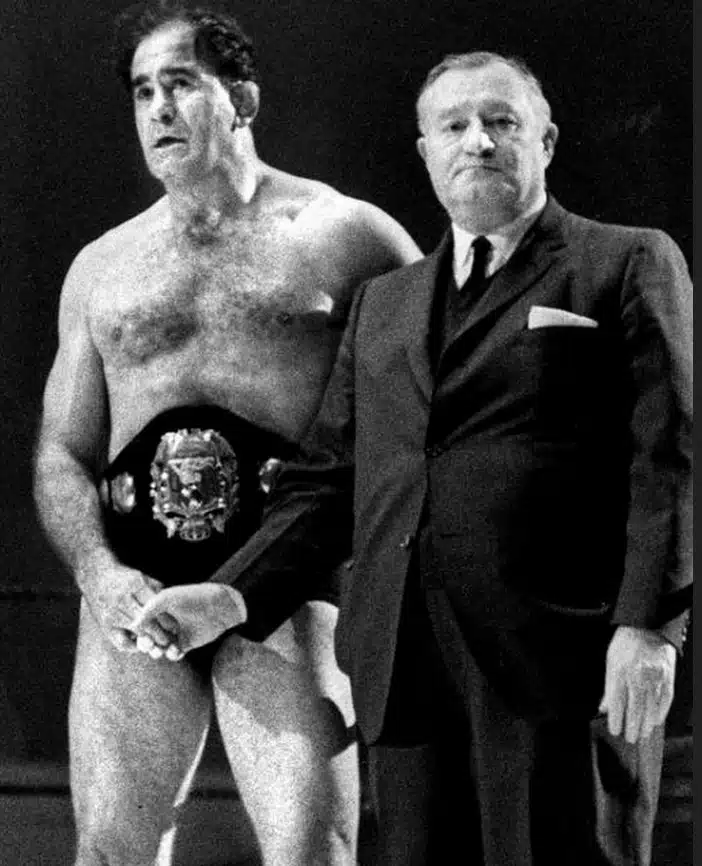
While modern audiences associate wrestling promos with polished television segments and scripted drama, the practice originated from a straightforward business necessity: wrestlers needed to sell tickets. Early promoters discovered that charismatic performers like Frank Gotch and Martin Burns could draw larger crowds through compelling public addresses than any poster or advertisement could achieve on its own.
These verbal segments emerged as entertainment between matches, keeping audiences invested in ongoing storylines and feuds. The term “cutting a promo” developed as wrestlers delivered live speeches in or near the ring to hype upcoming matches: “cutting through” competing carnival attractions to claim the crowd’s attention and money.
Promoters recognized that dramatic speeches increased interest in rivalries, transforming athletic competition into narrative-driven entertainment. This verbal showmanship became essential for wrestlers seeking advancement, establishing promo skills as equally crucial to wrestling ability in determining promotional success and championship opportunities. Major wrestling organizations like the WWF used these promotional techniques to build their stars and draw massive crowds to venues like Madison Square Garden; before a single match was ever wrestled, the promo had already done the commercial work.
From Carny Culture to Television Entertainment
From traveling carnivals to prime-time television, professional wrestling’s promotional segments underwent a fundamental transformation that reshaped both the industry and American entertainment culture.
The promo’s carnival origins centered on impromptu showmanship designed to draw crowds to wrestling tents. Performers relied heavily on personal storytelling and improvisation, with minimal oversight from promoters. Local radio spots expanded this reach modestly during wrestling’s early regional era.
Television’s arrival in the 1950s and 1960s revolutionized promotional segments entirely. What once served purely local audiences suddenly reached millions nationwide through weekly broadcasts. This mass exposure transformed promos from simple crowd-gathering tools into sophisticated marketing vehicles that drove pay-per-view sales and merchandise revenue. The medium allowed wrestlers to perfect their scripted performances while maintaining the illusion of spontaneous conflict and rivalry.
The shift demanded greater production values and narrative consistency, fundamentally altering how wrestlers connected with audiences. Promoters began to recognize that promo skills often outweighed wrestling ability when evaluating talent for television success: a performer who could not hold an audience’s attention on the microphone would struggle to hold it in the ring, no matter how technically accomplished they were. Wrestling personalities also learned to blur the line between character and reality during promotional segments, addressing real-life issues and controversies to create more compelling narratives and the specific ambiguity that live audiences find most compelling.
The Anatomy of an Effective Wrestling Promo
Breaking down the architecture of a compelling wrestling promo reveals five fundamental components that distinguish memorable segments from forgettable filler.
Message clarity establishes the stakes by answering who, what, when, where, why, and how regarding upcoming conflicts. Wrestlers must maintain consistent messaging while avoiding off-topic tangents that dilute narrative focus: a promo that makes the audience genuinely uncertain what it was about has failed its fundamental purpose.
Emotional engagement drives audience investment through passionate delivery and varying vocal techniques. Authentic intensity transforms simple messages into memorable moments by incorporating personal stakes and direct challenges. The difference between a promo that is said and a promo that is felt is almost entirely in the emotional register of the delivery.
Body language reinforces verbal messaging through congruent facial expressions, gestures, and movement. Confident physicality signals character intent; signature poses and recurring physical behaviors strengthen brand recognition across multiple appearances. These physical elements work together to establish a wrestler’s persona so that audiences can read the character immediately, even before a word is spoken.
Audience interaction creates immediacy through direct address, rhetorical questions, and references to shared storyline history. Effective promos introduce narrative uncertainty, keeping audiences questioning the story’s progression and outcome, rather than simply announcing what will happen.
Finally, branding elements such as catchphrases, distinctive vocal traits, and visual associations ensure long-term memorability and cultural impact. Strong mic skills can even overshadow a wrestler’s in-ring performance, maintaining their relevance and marketability throughout their career and beyond it.
Building Characters Through Memorable Monologues
When wrestlers step up to the microphone, they transform from athletic performers into master storytellers whose words can forge careers and define legacies. Memorable monologues serve as the primary vehicle for character development, allowing performers to establish unique voices through distinctive catchphrases, delivery styles, and the specific ways they relate to the audience.
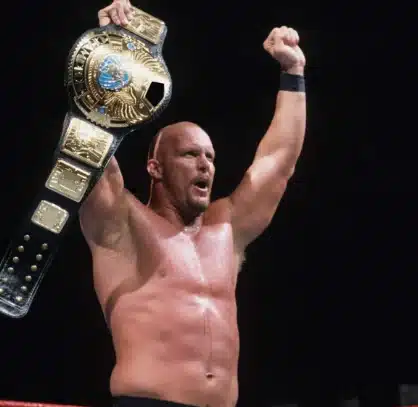
Stone Cold’s “Austin 3:16” became a cultural phenomenon; Road Dogg’s interactive opening lines created instant recognition; Paul Heyman’s grievance-filled speeches and The Miz’s recognition-seeking rants drive compelling story arcs by explaining their characters’ psychological makeup in ways that pure in-ring action cannot.
Personal vulnerabilities shared through promos humanize wrestlers, making them relatable beyond their in-ring personas. The most impactful moments often emerge when wrestlers address real-life challenges, the promo that feels like it might not be entirely scripted, where the line between performer and person is genuinely unclear, create the deepest connections between performers and audiences.
Authentic emotion becomes the cornerstone of character mythology. John Cena’s passionate “never give up” speeches and Ric Flair’s emotional farewells create defining moments that transcend wrestling entertainment and live on in broader culture. These character-building moments extend beyond the microphone, as storytelling within matches continues to develop personalities through physical performance and in-ring psychology, but the promo is usually where the emotional template is first established.
The Art of Trash Talk and Rivalry Development
While athleticism determines who wins matches, verbal warfare determines who commands attention and drives storylines that captivate audiences for months or years. Effective trash talk operates on multiple psychological levels, destabilizing opponents through strategic insults, unexpected compliments that induce overthinking, and pointed questions that hijack focus during confrontations.
These verbal exchanges transcend simple name-calling, becoming sophisticated tools for character development and narrative escalation. Creative insults fuel audience investment, generating emotional responses that translate into ticket sales and viewership. Wrestlers deploy various tactics: direct challenges to skill and legitimacy, sarcastic feigned respect, pointed references to past failures and personal history.
The timing and delivery amplify impact beyond the literal content of the words. Legendary rivalries are remembered equally for their verbal battles and physical confrontations, cementing legacies through iconic phrases that define careers and transform personal conflicts into business-defining events. The most compelling feuds often feature a tweener character who blurs the lines between hero and villain, with promo work that makes both sides’ perspective feel legitimate, the specific ambiguity that keeps audiences genuinely uncertain who to root for.
Script vs. Improvisation in Promo Delivery
The tension between scripted precision and spontaneous authenticity defines one of wrestling’s most critical creative debates. Major promotions like WWE rely heavily on detailed scripts specifying key phrases and storyline elements to maintain narrative coherence and broadcast timing. This approach minimizes risk but can produce stilted delivery that fails to connect emotionally: the audience can feel when a performer is reciting rather than speaking.
Improvised promos allow wrestlers to adapt to crowd reactions and create organic moments. Legendary performers like The Rock built careers using bullet-point outlines rather than word-for-word scripts, generating memorable catchphrases and viral interactions through genuine responsiveness to what was happening in the building. This flexibility enables performers to respond to unexpected developments and create the sense of live, unscripted energy that distinguishes the best promo work from polished but hollow television segments.
Modern wrestling increasingly favors hybrid approaches: structured frameworks that provide storyline anchors while encouraging personalized delivery. Storylines are scripted to integrate character themes and maintain overarching narrative consistency, but the specific words and the moment-to-moment responsiveness are left to the performer. Veterans typically receive more improvisational latitude than newer talent, with the degree of scripting reflecting both the company’s trust in the performer and the strategic importance of the segment. The effectiveness of any promo ultimately depends on maintaining the foundational illusion that the conflict and emotions being expressed are genuine rather than performed.
Physical Performance and Theatrical Elements
A microphone becomes a spotlight that illuminates every gesture, expression, and physical choice before thousands of live spectators and television cameras when cutting a promo. Physical performance transforms spoken words into compelling theater through controlled body language and strategic use of the performance space.
Posture establishes immediate dominance or vulnerability before any words are spoken. A wrestler’s stance, whether towering with arms spread wide or crouched defensively, instantly communicates character alignment and current narrative position to the audience. Facial expressions amplify the stakes through intensity, smirks, or calculated sneers that signal threat levels and emotional states.
Movement within the ring and around the ringside area creates dramatic tension. Approaching an opponent suggests aggression; retreating indicates either a lack of strategy or fear. Pacing and circling sustain audience attention during lengthy segments. The use of the physical space around the microphone, how close or distant the performer is to their opponent, to the crowd, to the camera, is a set of choices that skilled promo performers make deliberately rather than arbitrarily.
Successful promo delivery demands physical conditioning. High cardiovascular capacity ensures wrestlers maintain energy and vocal projection throughout intense performances, especially after physical confrontations or lengthy matches earlier in the show. Maintaining energy through the full length of a promo segment, preventing the visible drop in intensity that audiences immediately register, is a physical skill as well as a performance one.
Beyond Wrestling: Wider Applications
The techniques behind cutting a promo have proved portable beyond wrestling arenas. Athletes across professional sports use wrestling-style promotional tactics to build personal brands and drive the public interest that secures endorsement deals. The entertainment sector has adopted episodic storytelling, with streaming platforms employing wrestling’s week-to-week audience retention strategies to sustain subscriber engagement across seasons.
Corporate executives increasingly embrace promo-inspired communication techniques during product launches and company presentations, recognizing the power of theatrical delivery to capture and hold attention. Wrestling’s influence extends to kayfabe principles more broadly: the idea that maintaining a consistent public persona, even when the line between character and person is blurry, creates more compelling and durable public figures than constant transparency does.
Social media influencers mirror wrestling personalities by creating compelling personas through direct audience engagement and behind-the-scenes content. Interactive features like polls and hashtags, originally popularized in wrestling promotion, now appear across entertainment platforms to boost viewer participation. The fundamental dynamic of the promo, a performer directly addressing an audience to build anticipation for a future event, is one of the oldest and most reliable mechanics in all of entertainment.
Creating Emotional Investment in Storylines
Wrestling’s greatest achievement lies not in athletic spectacle but in its mastery of emotional manipulation through storytelling. Successful promotions understand that emotional investment drives audience loyalty more effectively than technical prowess alone, and the promo is the primary mechanism through which that investment is created and sustained between events.
Character development forms the foundation of compelling wrestling narratives. Wrestlers embody relatable struggles: overcoming adversity, seeking redemption, confronting betrayal. These archetypal conflicts resonate because they tap into emotional templates audiences already carry, which is why the best promos feel personal rather than generic even when addressing completely fictional situations.
Effective storylines incorporate suspense and genuine stakes. A championship belt represents more than physical gold: it symbolizes validation, legacy, and personal triumph within the story. When audiences believe consequences matter, engagement consistently increases. The push that follows a breakout promo performance demonstrates this directly: the company’s creative investment in a performer reflects and amplifies the audience’s emotional investment.
Wrestling promotions that prioritize authentic character arcs over manufactured drama achieve higher long-term retention. This emotional foundation transforms casual viewers into devoted fans who invest years following their preferred performers’ journeys, and the promo is the weekly touchpoint through which that ongoing relationship is maintained and developed.
The Legacy of Iconic Promos in Pop Culture
Beyond wrestling arenas, certain promotional segments have transcended their original medium, becoming defining moments in American entertainment history.
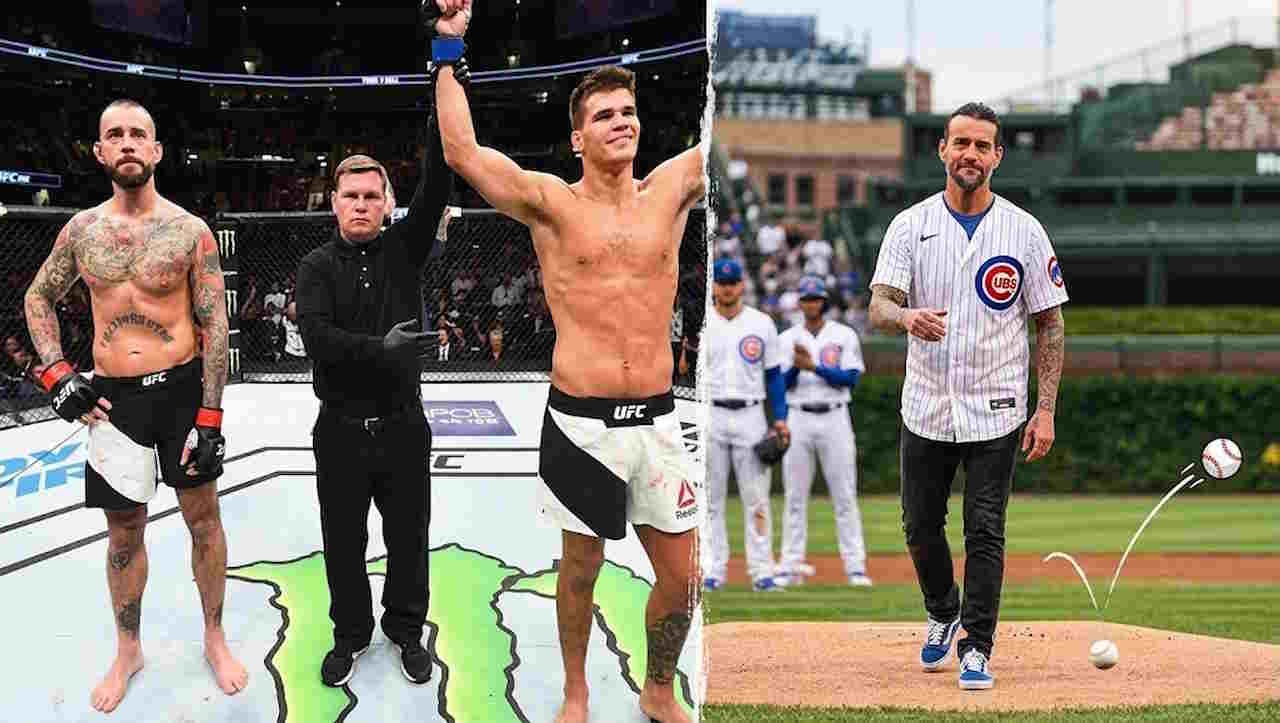
Stone Cold Steve Austin’s “Austin 3:16” declaration became the top-selling wrestling merchandise catchphrase of all time while infiltrating broader pop culture vocabulary far beyond the wrestling audience. CM Punk’s 2011 “Pipe Bomb” generated mainstream media coverage and shifted industry standards toward more authentic, less obviously scripted delivery. Hulk Hogan’s heel turn promo in 1996 received extensive press attention as a cultural moment that genuinely surprised an audience that thought it understood wrestling’s rules.
The Rock’s catchphrases like “If ya smell what The Rock is cookin'” permeated sports and entertainment lexicon and directly facilitated his transition to Hollywood stardom: the persona established through years of promo work translated seamlessly into a film career. Dusty Rhodes’ “Hard Times” promo continues to be quoted in non-wrestling contexts as quintessential American populist storytelling, a piece of performance rhetoric that holds up on its own.
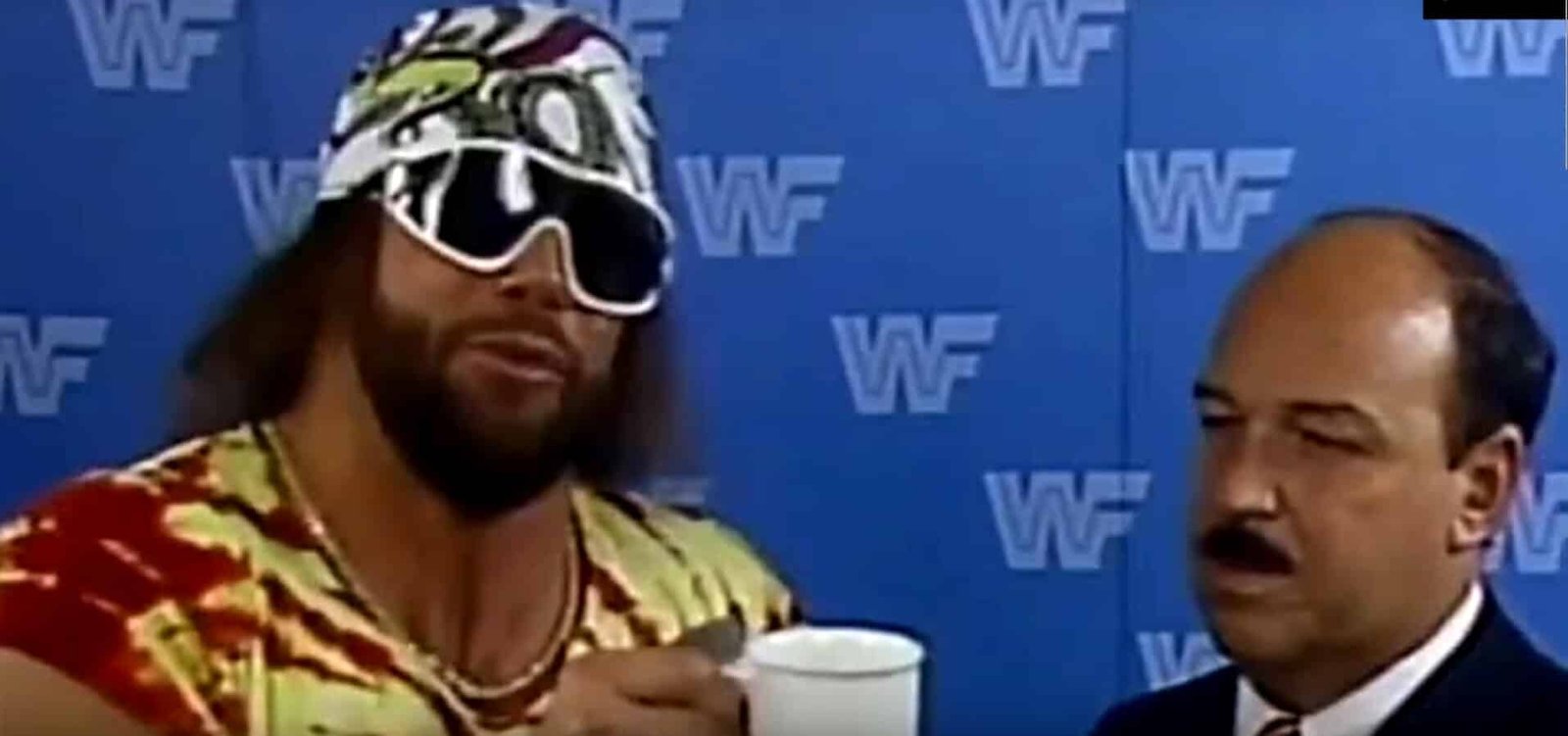
These segments demonstrate wrestling’s capacity to influence cultural discourse beyond its traditional audience. Roddy Piper’s “Piper’s Pit” inspired the in-ring talk show format that remains a staple of wrestling programming decades later. Eddie Guerrero’s deeply personal promo about addiction and redemption created emotional connections with audiences by addressing real-life struggles in a way that scripted wrestling fiction rarely achieves: proof that, at its best, the promo is not just a promotional tool but a genuinely powerful form of public address.
Level Up Your Fight IQ
The promo builds the story. These guides cover what happens inside it:
Cutting a Promo? FAQs
How much money do wrestlers earn from cutting successful promos?
Wrestlers rarely receive direct payment for individual promos, as compensation is typically structured on salary or event-based terms. However, successful promos generate substantial indirect income through merchandise sales: LA Knight earned significant revenue from promo-driven popularity, while Stone Cold’s iconic segments produced enormous merchandise revenue that reflected his mic work as much as his in-ring performance. Effective promo work elevates wrestlers to main event status, securing higher base salaries and more lucrative contract renewals. The financial impact of a breakout promo can reshape an entire career trajectory.
What legal issues can arise from controversial wrestling promos?
Controversial wrestling statements can trigger multiple legal risks. Defamation claims can arise when remarks damage reputations, even during storylines, if the content crosses from clearly fictional performance into statements that could be taken as factual. Non-disparagement clauses in contracts prohibit negative comments about the company, with violations risking termination or legal action. Intellectual property disputes can emerge when wrestlers reference copyrighted characters or material without permission. Broadcasting regulations demand compliance with decency standards, risking fines for obscene or prohibited content. Independent contractor status can leave wrestlers individually liable for the consequences of their own on-air statements.
Do wrestlers receive formal training in cutting promos?
Most professional wrestlers receive structured promo training at wrestling schools, where public speaking instruction is equally important as physical technique training. Reputable academies incorporate formal promo workshops, character development exercises, and on-camera drills into their curriculum. Training covers vocal projection, body language, improvisation, and catchphrase development. However, instruction quality varies significantly between schools, with some emphasizing physical training over speaking skills. Major promotions also provide ongoing development: WWE’s Performance Center includes dedicated promo training, recognizing that in-ring skill alone is insufficient for television success.
How do language barriers affect international wrestlers cutting promos in English?
Language barriers can significantly limit international wrestlers’ ability to cut promos in English. Limited proficiency leads to unclear messaging, weakened audience connection, and underdeveloped character. Mispronounced catchphrases lose their impact, while grammatical errors create unintended awkwardness that can undermine a character’s credibility. These challenges can limit opportunities for storytelling and television exposure in English-language markets. However, promotions increasingly provide language coaching and collaborative writing support. Many international wrestlers compensate through distinctive delivery styles, exaggerated physicality, and bilingual elements that transform linguistic limitations into unique character assets: an accent or unconventional phrasing that becomes part of the character’s identity rather than a weakness.
What happens when wrestlers break character or make mistakes during live promos?
When wrestlers break character or flub lines during live promos, the consequences vary considerably. Breaking kayfabe can undermine ongoing storylines and damage a character’s credibility if the moment is significant enough to be widely shared. Technical mistakes create uncomfortable moments that can spread rapidly on social media. Seasoned performers often recover through improvisation or humor, occasionally turning errors into memorable segments that demonstrate genuine quick thinking. However, persistent promo failures can derail pushes, limit future opportunities, and permanently overshadow a career: the microphone is an unforgiving medium that reveals whether a performer’s character is genuinely internalized or only surface-level.