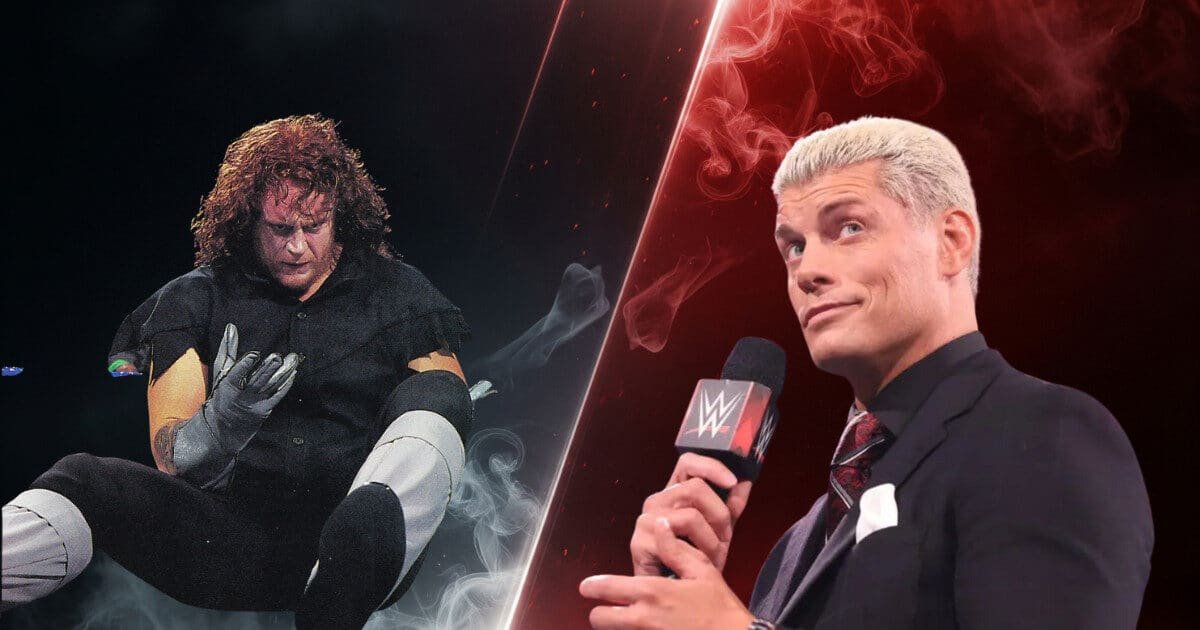

Fight IQ: Pro Wrestling Glossary
The face is wrestling’s hero, the character the crowd is supposed to cheer. But what makes one actually work?
This guide covers the face archetype from its classic roots through the antihero era, why some faces fail despite being pushed hard, and how the face-heel dynamic drives every major wrestling story ever told.
Who Is the Face in Pro Wrestling?
What Is a Face in Pro Wrestling?
In professional wrestling, the face, short for babyface, is the hero. The character the crowd is supposed to cheer, rally behind, and emotionally invest in. Every major wrestling story needs one, because without a face, there’s nobody for the audience to root for when the villain cheats, attacks from behind, or steals the championship.
The term goes back to wrestling’s carnival roots, where performers needed a quick shorthand for “the good guy.” The heel is the villain. The face is everything the heel isn’t: honest, courageous, fighting clean. At its most basic, that contrast is the entire architecture of professional wrestling storytelling.
What makes the face different from a hero in any other form of entertainment is the direct relationship with a live audience. Unlike a film protagonist, a wrestling face gets immediate, unfiltered feedback on whether they’re connecting, or not. The crowd either pops (cheers) or goes silent. That real-time feedback loop is what makes ring psychology such a craft, and what makes a truly over face one of the most valuable things in the business.
What Makes a Great Face?
Classic babyface traits are easy to list: courage, fair play, humility, and respect for the rules. The face follows the referee’s instructions. The face doesn’t cheat. When the face is outnumbered and overwhelmed, which they always are, because good booking puts them in impossible situations, they fight back through grit and determination rather than underhanded tactics.
But listing virtues doesn’t explain why some faces become generational stars, and others get politely ignored by audiences despite being pushed hard. The real ingredient is authenticity, or at least the convincing performance of it. Crowds are remarkably good at detecting when a face appears manufactured rather than earned.
Great faces give audiences something specific to connect to. That might be an underdog story. It might be a genuine athletic spectacle: moves so impressive the crowd can’t help but react. It might be a promo voice so compelling that fans feel like they genuinely know this person. The mechanics vary, but the result is the same: the audience cares what happens to this character, which means the stakes of every match feel real even within the fiction of kayfabe.
Faces also engage crowds physically in ways heels typically don’t. The high-fives on the way to the ring. Slapping hands at ringside. Acknowledging specific sections of the crowd. These aren’t accidents; they’re deliberate techniques for making individual audience members feel personally included in the performance.
Face vs. Heel: The Engine of Every Story
The face exists only in opposition to the heel. This is the fundamental dynamic of professional wrestling: not just a structural convenience, but the emotional engine that powers every storyline worth caring about.
The contrast has to be clear. Heels cheat. They use weapons. They attack from behind. They have managers who interfere. They lie in promos. They do everything the face won’t do, and because the face is committed to fighting clean, the heel’s dirty tactics make the face’s eventual victories feel genuinely earned. That’s the payoff the audience is waiting for across weeks or months of a feud.
The crowd reactions tell you everything about whether the dynamic is working. A face should generate a pop: an eruption of cheers, often on their entrance music alone, when the crowd is fully invested. The heel should draw heat: loud, sustained booing. When both are happening, you have a feud that’s working. When the crowd is silent for both, or worse, cheering the heel and booing the face, something has gone wrong with the booking or the character work.
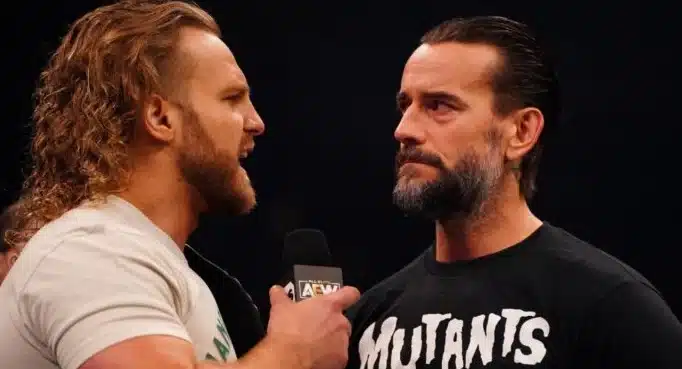
Some wrestlers exist in a middle ground called a tweener: displaying traits of both face and heel without fully committing to either. This can work for a short period, particularly during a turn, but sustained tweener status usually indicates the character hasn’t yet found a clear identity.
The Main Face Archetypes
Not all faces are built the same. Wrestling has developed distinct hero templates over the decades, each with different strengths and the kinds of stories they work best in.
The Underdog is the most reliably effective face type in wrestling history. Daniel Bryan’s “Yes Movement” in 2014 is the textbook modern example: a smaller, technically gifted wrestler that management seemed determined to keep down, fighting against a system rigged against him. Crowds go nuclear for a well-executed underdog story because the emotional math is simple: the odds are impossible, the face keeps getting back up, and the eventual win feels cathartic.
The Superman is the traditional dominant hero: physically imposing, almost impossible to beat cleanly. Hulk Hogan’s entire career was built on this archetype. John Cena carried it for over a decade. The risk with the Superman face is that invincibility can reduce dramatic tension; audiences struggle to fear for a character who almost never loses.
The Everyman connects through relatability rather than spectacle. Mick Foley’s Mankind character, Kofi Kingston’s underdog-turned-champion arc, the original Steve Austin working-class rebellion: these faces work because fans see themselves in the struggle. The everyman doesn’t need to be the biggest or most athletic; they need to feel like someone worth caring about.
The Antihero bends or breaks the traditional face rules while maintaining crowd support through sheer charisma or circumstances. Stone Cold Steve Austin is the definitive example: beer-drinking, boss-defying, rules-bending, and the most popular face in wrestling history at his peak. The antihero works when the character’s rebellion resonates culturally; it fails when it just reads as a heel who happens to be getting cheered.

How the Face Evolved: From Hulk Hogan to Stone Cold
The classic wrestling face of the 1970s and 1980s was a straightforward moral paragon. Hulk Hogan told kids to say their prayers and take their vitamins. He wore red and yellow. He overcame impossible odds through the power of the crowd’s support: the famous “Hulking Up” sequence, in which he absorbed his opponent’s best shots and then exploded into his comeback, was a masterclass in crowd psychology that worked the same way every single time because the audience wanted it to.
The 1990s broke that mold out of necessity. Wrestling’s steroid scandals, the rise of edgier entertainment alternatives, and an aging fanbase growing tired of cartoonish heroism pushed promotions toward moral complexity. The WWF’s Attitude Era didn’t just introduce new faces: it redefined what a face could be.
Stone Cold Steve Austin was the pivot point. He was a rule-breaker who cheated, hit people with chairs, defied authority at every turn, and stunned his own boss on live television repeatedly. By every traditional wrestling definition, he was a heel. But the crowd adored him, because his rebellion against the McMahon authority figure tapped directly into something audiences genuinely felt: frustration with corporate power, the satisfaction of watching someone who refused to be told what to do. Austin proved that a face doesn’t have to be virtuous. They just have to make the crowd feel something powerful.
Modern wrestling has fully absorbed this lesson. Today’s faces range from traditional heroes like Cody Rhodes, built on legacy, respect, and an emotional championship journey, to figures like CM Punk, whose appeal was always partly rooted in the genuine unease about where the character ended, and the person began. The best contemporary face characters understand that the audience isn’t simply looking for a hero to cheer; they’re looking for someone they can emotionally invest in, whether that investment is admiration, protectiveness, or the specific joy of watching someone stick it to the establishment.
What Is a Face Turn?
A face turn is when a heel character transitions into a face role: shifting from villain to hero in the audience’s eyes. Done well, a face turn is one of the most emotionally powerful moments in wrestling. Done badly, it can kill a character’s momentum entirely.
The best face turns feel earned. They happen because something in the story has genuinely shifted: a betrayal, a moment of integrity under pressure, a crowd that has simply decided they’re going to cheer this person regardless of how they’re booked. When the Rock returned at Royal Rumble 2013 after years away, the crowd reaction wasn’t just a pop: it was a collective release of years of nostalgia that the storytelling had been building without ever consciously constructing.
The worst face turns are forced: when management decides a character should be a face and starts booking them accordingly before the audience has made that decision themselves. This is a common cause of what fans call a “failed push”: the audience simply refuses to accept the character in the role being offered, often because the heel work was too good or the face positioning feels inauthentic to who the wrestler is.
The companion move is the heel turn, a face going villain, which is covered in detail in the defining the heel guide. Both types of turns are essential tools in long-term booking, used to refresh characters, reset feuds, and keep long-running storylines feeling unpredictable.

Why Some Faces Fail
Understanding what makes a face work also means understanding what kills them: because wrestling history is littered with wrestlers who were pushed hard as faces and simply never connected.
Being positioned rather than earned. The most reliable face killer is being handed the hero role before the audience has decided they want to give it. Roman Reigns spent years being pushed as WWE’s top face, while significant portions of the crowd actively rejected that characterization. The booking was there. The reactions weren’t. The eventual solution, turning him heel, unlocked one of the greatest character runs in wrestling history, which is its own lesson about the limits of forcing a face role.
Being too protected. A face that never loses, never looks vulnerable, never genuinely seems in danger becomes dramatically inert. The crowd needs to believe the character might actually fail. Without that fear, there’s no emotional investment in the victory.
Cutting bad promos. A face who can’t connect verbally will struggle regardless of their in-ring ability. The promo is how a face communicates their values, builds emotional investment in their feuds, and gives the audience something to hold onto between matches. A wrestler who can’t do this convincingly will always be limited in how high up the card they can go.
Having no clear character. “Good wrestler who follows the rules” is not a character. The faces who endure, Austin, Hogan, Foley, Bryan, Cody, all have a specific, identifiable quality beyond just being the hero. Something the audience can attach to. Without that, even the best finishing moves and the cleanest ring psychology can’t generate genuine crowd investment.
Level Up Your Fight IQ
The face only makes sense alongside the full vocabulary of pro wrestling:
Frequently Asked Questions
What does face mean in pro wrestling?
Face is short for babyface: the hero archetype in professional wrestling. A face is the character designed to earn crowd support through moral integrity, fair play, and resilience against villainous opponents. The term comes from wrestling’s carnival roots and has been used in the industry since at least the mid-20th century.
What is the difference between a face and a heel?
A face is wrestling’s hero, and a heel is the villain. Faces fight clean, follow the rules, and earn crowd support. Heels cheat, bend, or break rules, and draw crowd hostility. The contrast between them is the foundation of virtually every wrestling storyline: the face provides someone to root for, the heel provides someone to root against.
What is a face turn in wrestling?
A face turn is when a heel character transitions into the face (hero) role. It can happen through a betrayal by former allies, a moment of integrity under pressure, or simply a crowd that decides to cheer someone regardless of how they’re booked. The best face turns feel earned through storytelling. Forced face turns, where management imposes the role before the audience is ready, frequently fail.
Who are the most famous faces in wrestling history?
Hulk Hogan defined the classic heroic face archetype in the 1980s. Stone Cold Steve Austin redefined it in the Attitude Era as an antihero who broke the rules but connected with fans through his rebellion. Other all-time great faces include The Rock, John Cena, Daniel Bryan (whose Yes Movement became one of wrestling’s greatest crowd-driven success stories), Mick Foley, and, more recently, Cody Rhodes.
Can a heel be more popular than the face?
Yes, and this is one of wrestling’s most common booking challenges. When a heel becomes so entertaining that crowds cheer them, or when a pushed face fails to connect, the crowd reactions flip. WWE faced this repeatedly with Roman Reigns as a face: significant portions of the audience rejected the positioning for years. The eventual solution was turning him heel, which produced one of the best character runs in modern wrestling history.
What is a babyface in wrestling?
Babyface is the full form of the shortened term “face.” Both words refer to exactly the same thing: the hero character in professional wrestling. The term babyface is believed to come from carnival slang, where it described the innocent, trustworthy appearance of the “good guy” performer. In modern usage, face and babyface are completely interchangeable.
Why do some face pushes fail?
Face pushes fail for several reasons: the character is positioned as a hero before the audience has decided to accept them in that role; the booking makes them too invincible and removes dramatic tension; the wrestler can’t connect verbally through promos; or the character simply has no specific identity beyond “good wrestler who follows the rules.” The most successful face pushes are either organically built through audience reactions or built on a specific, identifiable quality that fans can genuinely attach to.