
Fight IQ — Pro Wrestling Glossary
Booking is the invisible architecture of professional wrestling — the decisions that determine who wins, who feuds with whom, and why any of it matters.
This guide covers how wrestling characters are built, how long-term storyline arcs are constructed, how creative teams work, and what separates booking that generates genuine emotional investment from booking that falls flat.
What is Booking in Pro Wrestling?
What Is Booking in Pro Wrestling?
In professional wrestling, booking refers to the planning and decision-making behind the scenes — who wins matches, how storylines develop, which wrestlers feud, when title changes occur, and how the overall narrative direction of a show or promotion is shaped. The person responsible for these decisions is called the booker. In large organisations like WWE, booking is handled by a creative team led by a head of creative; in smaller promotions, a single booker may make all these decisions alone.
The term covers everything from the result of a single match on a house show to the long-term arc of a championship storyline that unfolds over months of television. Good booking makes professional wrestling feel like compelling drama — the wins feel earned, the turns feel shocking but inevitable in hindsight, and the payoff moments deliver genuine emotional satisfaction. Bad booking creates the opposite: results that feel arbitrary, character behaviours that contradict established motivations, and storylines that build toward nothing.
Booking is the layer of craft that connects everything in professional wrestling. Ring psychology determines how a match is performed; booking determines why that match is happening and what it means in the larger story. Kayfabe creates the fictional universe; booking is the writing room that shapes the stories told within it. Understanding booking is understanding how wrestling works as a narrative art form rather than just an athletic spectacle.
Crafting Characters and Archetypes
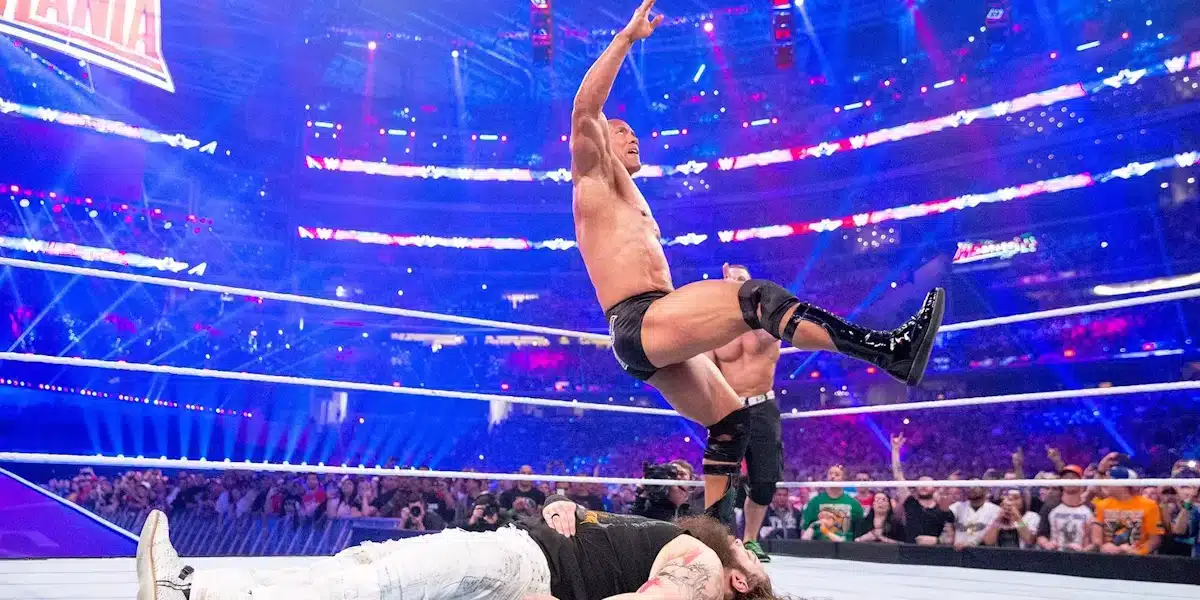
Every successful wrestling character originates from a recognisable archetype — a personality template drawn from broader cultural symbols that maximises how quickly and deeply audiences can connect with the performer. The underdog, the arrogant heel, the enforcer, the mythological monster, the working-class everyman — these archetypes resonate because they tap into emotional templates audiences already understand before a single match is wrestled.
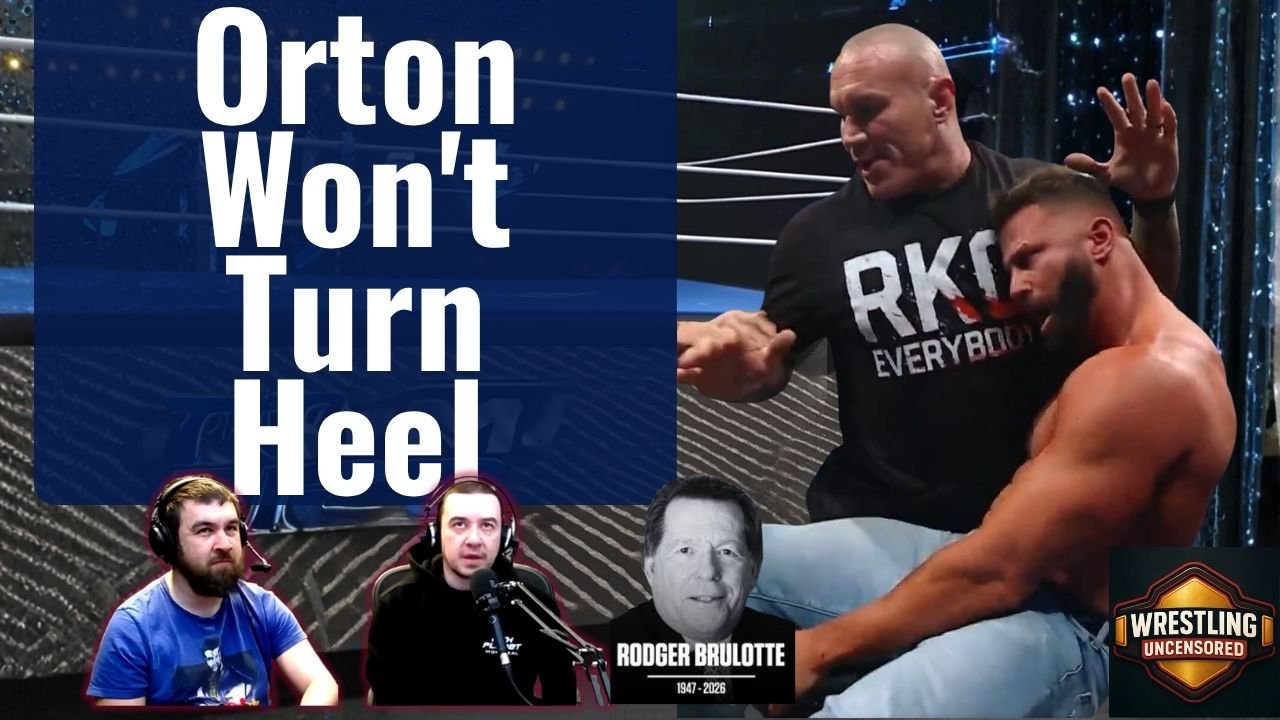
Characters function as faces (heroes), heels (villains), or tweeners (moral ambiguity that resists clean categorisation), with the balance between them essential for dramatic storytelling. A promotion that books too many faces and not enough credible heels has nobody compelling for the heroes to defeat. A promotion where every major character is a heel leaves the audience with no one to emotionally attach to. The booking challenge is maintaining the right mix and knowing when the dramatic logic of a story demands a turn.

Distinctive character elements — entrance music, catchphrases, attire, specific mannerisms — create the shorthand that communicates a character’s identity before they speak. These elements are booking decisions as much as creative ones: they determine how quickly a character registers with a live audience, how reliably they get the intended crowd reaction, and how marketable they become outside the ring. The Undertaker’s supernatural horror aesthetic and Bray Wyatt’s cult leader character are both examples of archetypes pushed to theatrical extremes — character identities so specific that they generated immediate, consistent crowd responses built around the gimmick itself.
Effective archetypes balance authenticity with exaggeration. The best wrestling characters feel like amplified versions of something real — which is why performers who are given characters that align with their actual personalities tend to connect more deeply than those assigned roles that feel externally imposed. The booker’s job includes recognising which performers have the authentic foundation to carry which character types.
Building Long-Term Story Arcs
Sustaining audience engagement beyond individual matches requires weaving characters into extended narratives that unfold over weeks, months, or years. Long-term booking is the hardest discipline in wrestling creative — it requires consistency of character motivation, logical progression from established story beats, and the patience to let drama build rather than forcing premature payoffs.
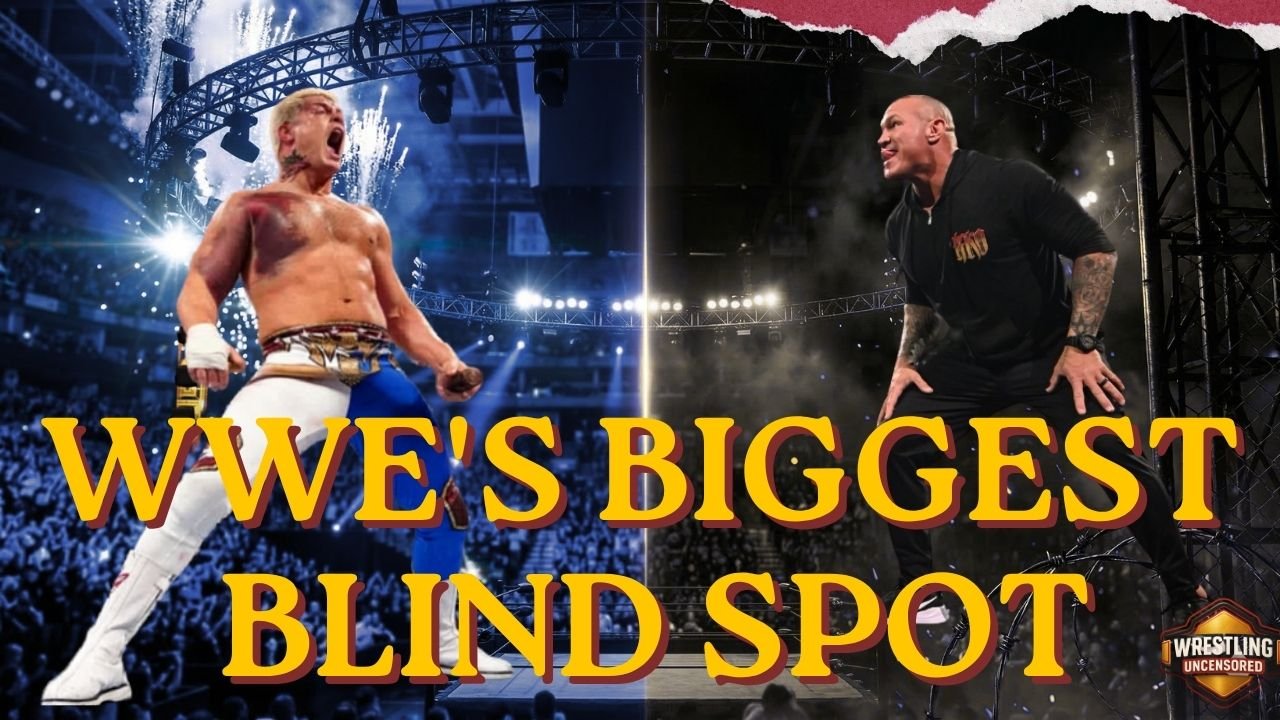
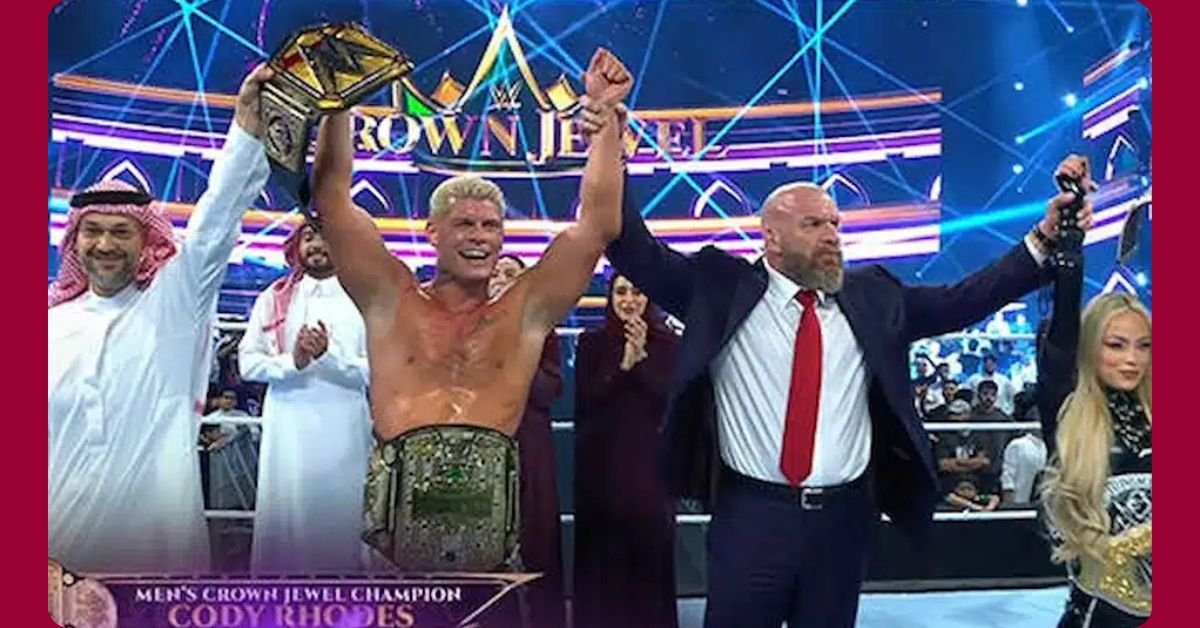
Successful long-term arcs establish clear goals and motivations from the beginning. The audience needs to understand what each character wants and why, so that every match and segment can be read as a meaningful development within that context. Cody Rhodes’ years-long pursuit of the WWE Championship to honour his father’s unfulfilled legacy worked because the emotional stakes were established early, and every subsequent story beat was filtered through that lens. When the payoff finally arrived, the crowd’s reaction reflected the full weight of the journey that preceded it.
Long-term arcs also require strategic escalation — the sense that the conflict is intensifying over time rather than cycling through the same notes repeatedly. Slow-burn angles that build gradually toward a major confrontation, alliances that fracture at the right moment, stakes that increase with each chapter — these are the tools that keep audiences invested across an extended story. The opposite, which is rushing payoffs or repeating story beats without escalation, is one of the most common ways long-term booking fails.
Intersecting storylines multiply the dramatic possibilities. When multiple arcs overlap — two feuds that share a character, a faction dynamic that bleeds into a singles rivalry, a title picture that involves four performers with competing motivations — the booking creates a sense of a living, interconnected world rather than isolated storylines happening in parallel. Managing that complexity without losing narrative clarity is one of the central challenges of running a wrestling promotion’s creative direction.
Managing Dramatic Tension and Pacing
Tension is wrestling’s invisible conductor — the element that determines whether audience emotion builds to a genuine peak or dissipates through poor sequencing. Both at the match level and across a full show or pay-per-view, managing tension and pacing is a core booking skill.
Within a match, tension builds through the alternation of explosive sequences with slower, more controlled moments. A match that operates at maximum intensity from bell to bell has nowhere to go — it reaches its ceiling immediately and maintains it, which paradoxically reduces emotional impact because the audience has nothing to build toward. Deliberate pacing — heel-control segments, brief face-hope spots that get cut off, the gradual build toward a comeback — creates the dynamic range that makes a finishing sequence genuinely cathartic.
Signature moves and finishers require protection through careful placement. When an established finishing move is kicked out of at a critical moment, the surprise dramatically escalates tension — but this only works if the finisher has been presented as definitively match-ending in prior appearances. A finisher that gets kicked out of routinely has no dramatic weight when it’s countered in a major match. Booking decisions made in unremarkable television matches directly affect the emotional currency available in high-stakes situations.
Near-falls — moments where a pinfall or submission appears imminent but doesn’t happen — are among booking’s most powerful tools for amplifying tension, and among the easiest to overuse. A near-fall generates crowd reaction through the promise and denial of resolution. Use too many in a single match, and the crowd stops believing in finishes entirely, which collapses the emotional architecture the match is trying to build. Restraint in near-fall deployment is one of the marks of sophisticated booking.
Conflict as the Story Engine
Conflict is the fuel that makes all of wrestling’s dramatic machinery run. Without genuine, credible conflict between characters — with real stakes, clear motivations, and consequences that feel meaningful — even technically proficient matches and well-produced television feel hollow. Booking’s fundamental task is to create, escalate, and eventually resolve conflicts in ways that feel satisfying rather than arbitrary.
Feuds escalate by raising the stakes progressively — moving from verbal confrontations to physical altercations to matches with increasingly significant consequences. The best feuds feel personal, which is why the most compelling conflicts often emerge from betrayal (the trusted ally who turns), competition with a history (two performers who have wanted to prove themselves against each other for years), or genuine asymmetry of motivation (one performer who needs something the other possesses or represents).
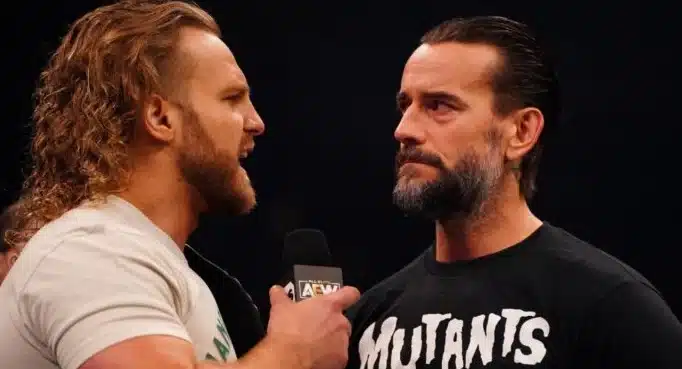
The CM Punk and Adam Page feud in AEW illustrates how real-world dynamics can intensify on-screen conflict. When genuine backstage tension between two performers bleeds into the scripted storyline, it creates a layer of ambiguity — audiences can’t be entirely sure where the character ends, and the person begins — that fiction alone rarely achieves. The Montreal Screwjob remains the definitive example: a real-life dispute that produced a storyline moment so charged with genuine emotion that it changed WWE’s creative direction for years afterward.
Faction dynamics provide multi-layered conflict opportunities. When stables fracture — a trusted lieutenant turning on the leader, competing philosophies within a group reaching a breaking point — they produce the specific betrayal dynamic that wrestling does better than almost any other form of entertainment. The nWo’s formation, D-Generation X‘s various iterations, The Shield’s split and subsequent interactions — these faction stories generated sustained dramatic material precisely because the internal relationships were well-established before the conflicts emerged.
The Creative Process and Team Collaboration
Behind every wrestling storyline lies a creative process that varies significantly between promotions but shares common challenges: generating enough ideas to fill weekly programming, filtering those ideas for quality and feasibility, and maintaining consistent creative direction across a roster of dozens of characters and storylines.
WWE operates through large collaborative creative teams with decisive leadership making final calls. Triple H’s approach to creative has emphasised broad input from team members and performers, with an openness to unconventional directions that the previous creative regime had resisted. AEW has operated differently — Tony Khan’s direct involvement in booking decisions creates a different dynamic, with more concentrated creative authority and a structure that makes the booker more visible as an individual decision-maker.
These teams blend writers, producers, talent relations specialists, and the wrestlers themselves, the last of whom often have the most accurate read on what their characters can credibly do and what the audience will accept from them. Weekly brainstorming generates large volumes of concepts, the vast majority of which don’t survive the filtering process that evaluates story consistency, available talent, production feasibility, and fit within current programming direction.
Creative disagreements are inevitable and can be productive when managed well — the tension between different perspectives on how a story should develop often produces more interesting outcomes than unchallenged consensus. They become destructive when they create instability in story direction, which audiences experience as inconsistency in character behaviour and unexplained shifts in booking priorities. The best wrestling creative teams maintain a stable enough central vision that individual disagreements about execution don’t destabilise the overall direction.
Crucially, booking must remain responsive. Pre-planned story directions get disrupted by injuries, real-world developments, and — most valuably — unexpected crowd reactions that reveal opportunities the creative team hadn’t anticipated. A wrestler who gets over in a supporting role beyond what was planned, or a crowd that turns on an intended face with sustained genuine hostility, represents information that good booking responds to rather than overrides. The most celebrated creative periods in wrestling history — the Attitude Era, the nWo angle, Daniel Bryan’s Yes Movement — all involved creative teams willing to follow genuine crowd reactions rather than rigidly execute preset plans.
Payoff Moments and Audience Engagement
All of booking’s architecture — the character work, the long-term arcs, the tension management, the escalating conflicts — serves a single ultimate purpose: delivering payoff moments that reward audience investment with genuine emotional satisfaction.
A payoff moment is the culmination of everything that preceded it. The championship win that ends a year-long pursuit. The face is finally getting its hands on the heel after months of interference and unfair losses. The faction member who turns at precisely the right moment to shift the balance of a major match. These moments land with full force only when the preceding story has been told well enough that the audience has genuine emotional stakes in the outcome.
Timing is everything. Payoffs delivered too early — before the audience has been fully invested — feel unearned. Payoffs delayed too long lose their impact as crowd investment erodes through repetition and frustration. The booker’s judgment about when a story has built sufficient emotional equity for its payoff is one of the hardest calls in the entire creative process, and getting it right is what separates good booking from great booking.
Strategic placement of climactic moments within a show’s structure matters as well. The order of matches on a card, what segment precedes a major in-ring moment, how much time is allocated to build versus payoff within a single episode — these production-level booking decisions shape how audiences experience the emotional arc of an entire show, not just individual matches. Ring psychology determines whether a match is well-told; booking determines whether that match means something in the larger story being told.
Level Up Your Fight IQ
Booking is the architecture — these guides cover what gets built inside it:
Frequently Asked Questions
What does booking mean in pro wrestling?
Booking in professional wrestling refers to the planning and decision-making behind the scenes — who wins matches, how storylines develop, when title changes happen, which wrestlers feud with each other, and how a promotion’s overall narrative direction is shaped. The person responsible is called the booker. Good booking makes results feel earned, turns feel shocking but inevitable in hindsight, and payoff moments deliver genuine emotional satisfaction. Bad booking creates arbitrary results, character inconsistencies, and storylines that build toward nothing.
How do real-life injuries affect wrestling booking?
Injuries force creative teams to alter planned storylines on extremely short notice. Injured wrestlers are typically written off television through attack angles or scripted backstage segments, allowing their absence to be explained within kayfabe. Title changes are expedited or postponed based on injury timelines. Creative teams elevate replacement talent to fill the narrative void, shift focus to other ongoing storylines, and develop contingency plans for different recovery scenarios. Some major storylines are suspended or dropped entirely when recovery timelines are genuinely uncertain.
What happens when a wrestler refuses a storyline?
When talent refuses assigned storylines, promotions typically respond with reduced television time, demotion, or complete removal from programming. Management often reassigns the storyline to more cooperative performers. Contract clauses in major promotions give management substantial creative control authority. However, major draws with proven audience value occasionally leverage their position to negotiate changes or avoid content they find particularly objectionable. Steve Austin’s refusal to lose to Brock Lesnar on a Raw in 2002 is the most cited example of a top star accepting the consequences of a refusal rather than compromising.
How do network deals affect wrestling booking decisions?
Television and streaming deals give broadcast partners meaningful influence over wrestling creative through approval processes that protect brand standards and advertiser relationships. Networks can review scripts, wield veto power over inappropriate content, and use their financial leverage to push for mainstream appeal and higher ratings. This can force last-minute rewrites, affect talent positioning, and create tension between creative teams and network demands. WWE’s move to Netflix for Raw in January 2025 is a recent example of a major distribution deal that reshapes the context in which booking decisions are made.
How do international markets influence wrestling storylines?
International markets increasingly shape storyline content and character presentation as wrestling promotions expand globally. Promotions adapt narratives to avoid local cultural taboos, create region-specific characters and storylines for major international tours, and localise content for different broadcast preferences and regulatory environments. International talent brings diverse wrestling styles and cultural backgrounds that inform character development. Revenue from global markets directly influences booking decisions, with international audience data increasingly factored into character arcs and storyline directions at major promotions.