Fight IQ — Pro Wrestling Glossary
To bury a wrestler means deliberately diminishing their standing through booking decisions — losses, weak storylines, and embarrassing segments designed to make them look ineffective and unimportant.
This guide covers why promotions bury a wrestler, the factors that trigger a burial, how long it takes, and whether careers can recover from being buried in the first place.
In This Guide
What Does It Mean to Bury a Wrestler?
To bury a wrestler in professional wrestling means deliberately or systematically undermining their standing through booking decisions—booking them to lose consistently, placing them in weak or humiliating storylines, reducing their screen time, or presenting them in ways that make the audience stop taking them seriously. A burial is the opposite of a push: where a push builds a performer’s credibility and momentum, a burial erodes it.
Promotions bury a wrestler for several reasons — as punishment for backstage behaviour, as a response to declining business metrics, as a consequence of internal politics, or simply because creative priorities have shifted in a direction that leaves a performer without a role. Understanding the mechanics behind why and how a promotion decides to bury a wrestler reveals the complex machinery behind professional wrestling’s hierarchy and the factors that separate the main event from the undercard.
Wrestling companies systematically demote talented performers through various interconnected factors that undermine their status. Backstage politics and management favouritism often override merit-based decisions, relegating skilled wrestlers to lower positions. Declining merchandise sales and poor audience reactions signal diminishing marketability, prompting creative teams to redirect resources toward proven draws. Technical deficiencies, unsafe work practices, and unprofessional behaviour accelerate career stagnation. Injuries disrupt storylines, while shifting company priorities leave mid-tier talent vulnerable to narrative changes.
Creative Teams Lose Faith in Drawing Power
When a wrestler’s ability to attract paying customers begins to wane, creative teams pivot their focus with ruthless efficiency toward more profitable options. Decisions to bury a wrestler often begin not with personal animosity but with the numbers.
Declining television ratings, plummeting pay-per-view buy rates, and lacklustre merchandise sales create undeniable evidence that a performer has lost their connection with the audience. Creative executives closely monitor these metrics, comparing headliners against their peers to identify who consistently generates revenue and who fails to move the financial needle.

When repeated attempts at a storyline fail to resonate despite significant promotional investment, decision-makers often abandon their previous faith in that talent. Social media engagement drops, live event attendance suffers, and fan reactions shift toward apathy or outright rejection.
Rather than continue backing a diminishing asset, creative teams redirect resources toward wrestlers who demonstrate measurable drawing power and sustainable audience engagement. These struggling wrestlers often transition into roles as enhancement talent, consistently losing to more established stars to make them look dominant. In the modern wrestling landscape, the overall company brand often drives fan attendance more than any individual performer, which means the threshold for when a promotion will bury a wrestler on commercial grounds has shifted significantly from previous decades, when individual superstars could single-handedly elevate entire events.
Backstage Politics and Management Favoritism
Favouritism operates as the invisible hand of wrestling, shaping card placement through personal relationships rather than objective merit. Management connections frequently override talent assessments, with wrestlers benefiting from executive relationships while others struggle despite crowd support.
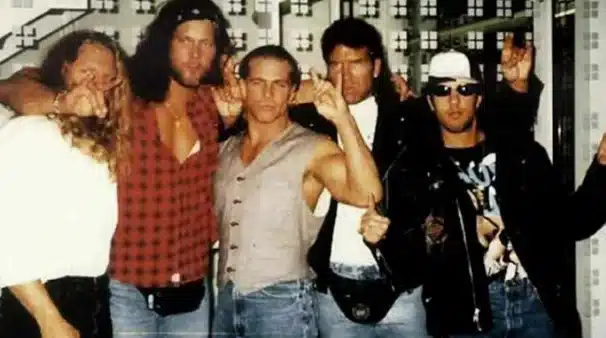
Strategic alliances amplify this effect — historical groups like The Kliq wielded creative influence to protect their interests and gatekeep opportunities for outsiders. Wrestlers who refuse to participate in the political landscape face swift consequences. Non-compliance with management decisions often results in punitive booking, shorter matches, or the complete removal of a storyline.
Meanwhile, sabotage tactics flourish as competitors spread misinformation and lobby against rivals behind closed doors. Top performers can leverage backstage power to derail rising talents who threaten their position, ensuring their dominance remains unchallenged. The decision to bury a wrestler can therefore be as much a political instrument as a creative or commercial one.
The scarcity of premium card positions intensifies these dynamics. With limited main-event slots available, political manoeuvring becomes crucial for advancement, creating a system in which backstage relationships take precedence over in-ring performance or fan reaction.
Poor Audience Reactions Lead to Demotion Down the Card
Audience reactions serve as professional wrestling’s most immediate performance metric, where crowd silence often proves more damaging than backstage politics. Promoters treat live crowd noise as instant feedback, using cheers and boos to gauge talent marketability.
Wrestlers who fail to generate emotional responses — whether heel heat or face pops — risk being labelled ineffective assets. Sustained silence during matches signals a disconnect, prompting card demotions. Social media backlash amplifies negative perceptions, with “boring” chants highlighting performer weaknesses. This systematic weakening of a performer’s position is the booking strategy known as burying, in which wrestlers are intentionally made to look ineffective to remove them from meaningful competition.
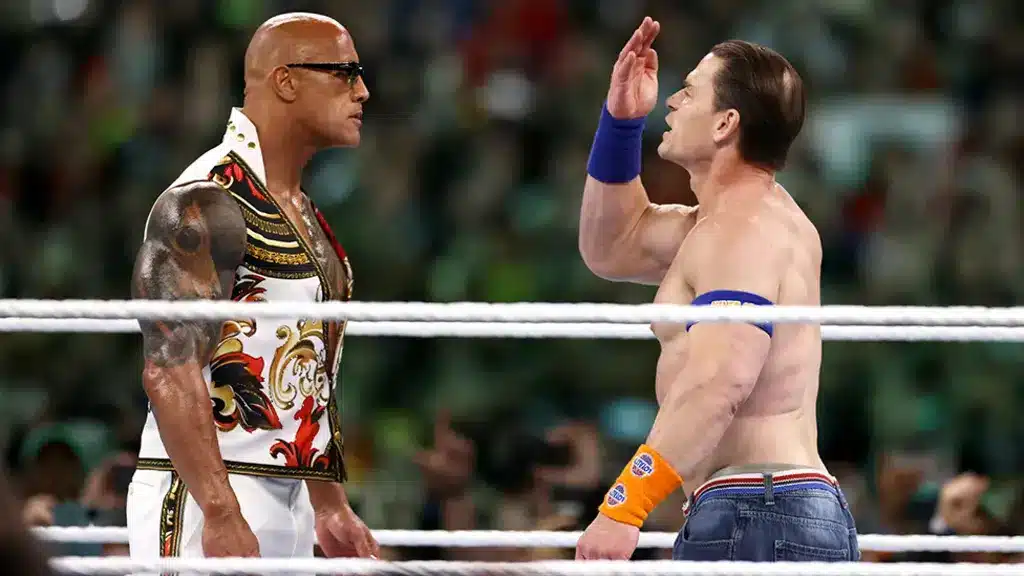
Gimmicks misaligned with audience demographics struggle to resonate, while overexposure breeds fan fatigue. Regional variations expose popularity gaps, particularly during major events with passionate crowds. Cultural disconnects between wrestlers and local markets further complicate reactions. Even established performers can experience dramatic shifts — John Cena’s sustained crowd backlash despite his dominant booking run is a well-documented example of how audience rejection can complicate even the most heavily backed performer’s position.
Ultimately, talent unable to elevate crowd energy during key moments faces reconsidered pushes and diminished opportunities. Wrestlers who successfully execute heel turns can redirect adverse crowd reactions into valuable heat, potentially saving their position on the card and avoiding the burial cycle entirely.
Injuries and Availability Issues Derail Wrestling Careers
While crowd reactions can damage careers overnight, physical injuries represent wrestling’s most insidious and enduring threat to professional longevity, systematically eroding talent from within the industry’s brutal infrastructure.
Injury-related absences create a vicious cycle that can effectively bury a wrestler’s career through lost momentum and reduced opportunities, even when no deliberate decision to demote them has been made. Extended absences force companies to pivot storylines around healthier competitors, often permanently displacing injured wrestlers from prominent positions they may never reclaim.
The industry’s relentless schedule compounds this problem — minimal recovery time transforms minor issues into career-threatening setbacks. The carefully crafted, staged presentation of these athletic performances requires wrestlers to maintain the illusion of invincibility even as their bodies deteriorate, creating institutional pressure that discourages performers from reporting injuries honestly.
Wrestlers fear that reporting injuries will open the door for competitors to take their spot. This “show must go on” mentality encourages performing while injured, delays proper healing, and creates chronic limitations that diminish athletic performance and appeal to promoters seeking reliable main-event talent. The cumulative physical toll of a professional wrestling career is well-documented and contributes significantly to the pattern of performers being quietly moved down the card as their bodies become less reliable.
Lacking In-Ring Skills or Unsafe Work Practices
Beyond the physical toll of injuries, professional wrestling demands a fundamental mastery of the craft that separates featured performers from opening-act filler. Technical deficiencies manifest as disjointed interactions, inconsistent move execution, and poor strike work, all of which diminish audience engagement.
Wrestlers struggling with crisp, believable manoeuvres often find themselves relegated to lower-card positions as match quality standards continue to evolve. Frequent botched moves undermine credibility while creating safety hazards that erode management trust. A promotion that needs to bury a wrestler can simply stop protecting them from the consequences of their own in-ring deficiencies by placing them in situations where those deficiencies are exposed.
Sloppy execution disrupts the storytelling flow and amplifies negative perceptions, particularly during high-profile matches where mistakes are magnified. Wrestling communities often prioritise charisma and character over pure technical ability when evaluating greatness, yet chronic technical deficiencies still limit advancement opportunities and signal to promoters that a performer cannot be trusted with the time and resources required for a main event programme.
Unsafe work practices compound these issues, as reckless performers endanger colleagues and damage locker room relationships, ultimately limiting collaborative opportunities and restricting them to shorter, lower-stakes matches. The inability to work safely with a broad range of opponents is one of the most reliable indicators that a promotion will eventually look to bury a wrestler or move them permanently to a less visible role.
Contract Negotiations and Financial Constraints
Contract negotiations wield significant influence over booking decisions, creating subtle yet powerful dynamics that determine which wrestlers receive prominent storylines and which fade into obscurity.
When a talent’s contract enters its final months, promotions sometimes reduce their screen time and prominence as a protective measure — if the performer leaves for a rival company, the promotional investment in making them look strong walks out the door with them. Wrestlers like Adam Cole and Pete Dunne experienced reduced screen time as their contracts wound down, a form of precautionary burial driven by business logic rather than dissatisfaction with the performers themselves.
Financial constraints also shape decisions about which performers to feature. A promotion may effectively bury a wrestler not through deliberate intent but through the realities of budget allocation — higher-paid mid-carders become expensive to carry if they are not generating proportionate returns, while lower-paid rising stars offer better value and more creative flexibility.
The absence of guaranteed creative clauses in most wrestling contracts gives promotions significant flexibility to sideline talent deemed non-essential. Leadership transitions — such as the shift from Vince McMahon’s creative direction to Triple H’s oversight in WWE — can leave some talent caught between old and new creative philosophies, resulting in booking stagnation during periods of transition that can look very much like a burial even when no such decision has been made.
Unprofessional Behavior and Locker Room Conflicts
Several wrestling careers have stalled, not due to a lack of talent or charisma, but because backstage behaviour created enemies where allies were needed. Management will bury a wrestler who creates persistent locker room problems as both a punitive measure and a signal to the rest of the roster about acceptable conduct.
Disrespect toward locker room veterans sparks immediate conflict. Refusing to follow basic protocols — like greeting peers or adhering to established customs — triggers disputes that divide entire rosters into factions. Simple gestures, when deliberately withheld, can escalate into physical altercations that permanently damage relationships and political standing.
Wrestling’s informal “wrestlers’ court” system judges perceived wrongdoings, often resulting in public humiliation or financial penalties. High-profile acquisitions that demand special treatment create resentment among existing roster members, generating the kind of widespread locker room hostility that makes management decisions about where to place a performer significantly easier.
Management responds to chronic troublemakers by assigning them to lower card placements, utilising booking decisions as disciplinary tools. When backstage politics turn toxic, even gifted performers find themselves relegated to meaningless matches while their careers deteriorate — a burial that serves as a warning to the broader roster as much as a consequence for the individual involved.
Limited Marketability and Merchandise Sales
The mathematics of merchandise sales often determines whether wrestlers ascend to stardom or remain trapped in wrestling’s lower tiers. Companies monitor these metrics relentlessly, directing investment toward proven sellers while reallocating resources away from underperformers.
This creates a vicious cycle in which low merchandise sales lead to reduced television exposure, which further diminishes sales potential — and, with no obvious commercial justification for prominent placement, the decision to bury a wrestler through reduced screen time can follow almost automatically. Wrestlers lacking distinctive catchphrases, memorable logos, or strong brand identities struggle to inspire fan loyalty and corresponding purchases.
Those with niche appeal face particular challenges in mass-market environments where companies prioritise talent capable of anchoring toy lines and mainstream partnerships. Creative direction consistently favours established merchandise movers, limiting breakthrough opportunities for struggling performers and cementing their positions in wrestling’s forgotten tiers regardless of their in-ring ability or crowd reception.
Shifting Company Priorities and Long-Term Storytelling Plans
Wrestling companies operate like television studios, producing serialised dramas that map out storylines months or years in advance while allocating creative resources according to rigid hierarchies.
Main event talent receives priority in weekly script meetings, with senior leadership crafting narrative structures around established stars rather than developing undercard wrestlers. This systematic approach leaves mid-tier performers vulnerable when long-term plans shift direction — and when a storyline changes course, the performers who were peripheral to it can find themselves without any creative function at all.
When creative teams pivot to capitalise on audience reactions or business opportunities, wrestlers outside the primary storylines often lose momentum entirely. Writers must balance multiple plot threads while maintaining narrative coherence, often sacrificing secondary characters when storylines converge. The result can look indistinguishable from a decision to bury a wrestler, even when no such deliberate decision was made — the effect on the performer’s career is identical either way.
Companies regularly abandon supporting characters to maintain plot cohesion, treating television time as finite real estate. Those who do not align with current branding strategies or merchandise initiatives often find themselves cycled out regardless of their previous investment in development. Unforeseen incidents — injuries to a rival performer, a last-minute card change, a storyline needing to be accelerated — can further destabilise the positions of peripheral talent and accelerate an unintentional burial.
Character Effectiveness and Charisma Deficiencies
Compelling personas form the bedrock of professional wrestling success, yet countless talented performers find themselves relegated to opening matches because they cannot forge meaningful connections with their audience. A promotion that cannot identify a workable character for a performer will eventually bury a wrestler simply by running out of ideas for how to feature them.
Wrestlers portraying ill-fitting gimmicks often experience mid-card stagnation, while generic characters disappear among more memorable personalities. Insufficient charisma creates another barrier — performers lacking magnetic presence struggle to elicit emotional responses essential for both heroic and villainous roles. This deficiency directly correlates with reduced merchandise sales and fewer main-event opportunities.
Poor character adaptability compounds these issues, as inflexible wrestlers risk typecasting when unable to evolve with changing trends. Shallow or inauthentic personas fail to support long-term storylines, leading booking teams to significantly diminish these wrestlers’ roles. The most successful performers understand that developing a resonant character requires careful attention to specific traits that connect with their target demographic and complement their natural personality — without that foundation, even a well-intentioned push can quietly become a burial when the audience simply refuses to engage.
Level Up Your Fight IQ
A burial is just one side of the coin — explore the full language of professional wrestling:
Frequently Asked Questions
Can a buried wrestler ever recover and return to main event status?
A buried wrestler can return to main event status through strategic reinvention, though the path back is rarely straightforward. Character overhauls, creative team changes, and sustained fan support create pathways back to prominence. Physical recovery from injuries and demonstrated professionalism significantly influence management decisions. Strong crowd reactions and merchandise sales provide tangible evidence of marketability that promotions find difficult to ignore. Historical precedent shows that wrestlers have overcome extended losing streaks when audience demand pressures promotions to elevate previously demoted talent — Roman Reigns’ transformation from a pushed babyface the audience rejected to a dominant villain they embraced is the most prominent modern example of a performer escaping what appeared to be a career-limiting position.
How long does it typically take to bury a wrestler?
A promotion can bury a wrestler within two to four weeks of consistent losses or negative presentation — the audience absorbs booking patterns quickly, and credibility that took months to build can be undermined in a single PPV main event. The timeline varies considerably depending on the performer’s prominence and the deliberate execution of the burial. Some burials unfold gradually over several months through systematic booking designed to undermine credibility, while others occur immediately through a single embarrassing segment. Champions face remarkably rapid burials, sometimes within one pay-per-view cycle of consecutive defeats that strip the title of meaning along with the performer’s standing.
Do wrestlers know when they’re being buried by management?
Wrestlers typically recognise when management is burying a wrestler through multiple channels. Booking patterns speak clearly — consecutive losses, reduced screen time, and removal from meaningful feuds are unmistakable signals. Management often communicates changes directly during production meetings or through conversations with agents. The locker room grapevine spreads information quickly, with veterans privately advising affected talent on what the changed booking patterns mean. Industry observers publicly analyse booking trends, often confirming publicly what the wrestler already suspects internally. In most cases, a performer who is being buried knows it before any external commentator identifies the pattern.
Can fan campaigns successfully reverse a wrestler’s burial?
Fan campaigns can successfully reverse a burial in wrestling, though success requires massive scale and sustained momentum that most campaigns never achieve. Daniel Bryan’s WrestleMania XXX push and Kofi Kingston’s 2019 championship run both exemplify effective fan mobilisation that forced a promotion’s hand. Companies respond when campaigns generate significant media coverage, boost engagement metrics measurably above industry averages, or demonstrably impact merchandise sales and live event ticket demand. However, most fan campaigns fail to reach the threshold needed to override business strategies, contractual obligations, or deeply entrenched internal politics — and a promotion that has decided to bury a wrestler for political reasons is significantly harder to shift than one that is simply underestimating a performer’s popularity.
What is the difference between being buried and taking a storyline break?
Being buried involves deliberate creative sabotage while the performer remains on television — they suffer embarrassing losses, weak storylines, and diminished credibility as a consequence of politics or business decisions. To bury a wrestler is an active process; the performer is visible but made to look ineffective. A storyline break removes a wrestler temporarily from programming for constructive reasons, such as injury recovery, character retooling, or building anticipation for a return. A break protects a performer’s value during their absence; a burial damages it while they are present. The most telling distinction is what happens when the performer returns — after a break, a well-handled return restores or elevates their status; after a burial, they re-enter the same diminished position they left.