Fight IQ — Pro Wrestling Glossary
A “work” is anything in professional wrestling that is scripted, predetermined, or performed for effect — which, depending on how you look at it, is almost everything.
This guide explains what a work means, how match psychology is built around it, the structure that makes worked matches compelling drama, and how wrestlers use physical storytelling to make predetermined outcomes feel genuinely uncertain.
The Art of the Predetermined Match
What Is a Work in Pro Wrestling?
In professional wrestling, a work refers to anything that is scripted, planned, or performed for effect — as opposed to something genuine or unplanned, which is called a shoot. The term covers an enormous range: a match outcome is a work, a heel turn is a work, a backstage attack angle is a work, an injury angle is a work. If it’s part of the planned performance, it’s a work.
The opposite of a work is a shoot — something real, unscripted, or unplanned. When CM Punk cut his famous pipebomb promo in 2011 and appeared to go off-script, audiences couldn’t tell how much was worked and how much was shoot. That ambiguity is part of what made it so compelling. The line between work and shoot is one of professional wrestling’s most interesting creative tensions.
To say that wrestling is “worked” is simply to acknowledge its nature as a performance art — scripted outcomes and choreographed physicality in service of drama and storytelling. It is not a criticism. The skill involved in executing a work convincingly, building genuine emotional investment in predetermined outcomes, and making scripted drama feel urgent and real is the central craft of professional wrestling. A great work is one where audiences know intellectually that the outcome is predetermined, but feel it genuinely in the moment regardless. Understanding what a work is — and how wrestlers make works feel real — is the foundation of understanding ring psychology.
The Foundation of Wrestling Psychology
Wrestling psychology operates on a fundamental principle that separates professional wrestling from legitimate athletic competition: the deliberate manipulation of human emotion through carefully constructed performance art.
This foundation relies on wrestlers becoming skilled storytellers who understand how to craft compelling narratives within the confines of a wrestling ring. Every match becomes an opportunity to explore the art of storytelling through physical expression and dramatic timing.

The core elements include emotional engagement through relatable themes such as honour and betrayal, strategic pacing that builds anticipation through near-falls and false finishes, and visual storytelling that conveys character motivation without spoken words. Wrestlers must master facial expressions, body language, and timing to effectively guide audience sentiment across the full arc of a match.
This combination of theatrical performance and athletic execution creates a unique psychological framework that defines wrestling’s entertainment value. Audiences engage through suspension of disbelief — allowing themselves to experience genuine emotional investment despite understanding the predetermined nature of outcomes. The work succeeds when that suspension is maintained not through deception but through the quality of the performance itself.

Babyface vs. Heel Dynamics
At the heart of every compelling wrestling work lies a carefully orchestrated conflict between two archetypal forces: the babyface, who embodies heroic virtues and audience aspirations, and the heel, who represents everything spectators despise through deliberate rule-breaking and moral corruption.
This dynamic creates natural narrative tension through contrasting character traits. Babyfaces display integrity, perseverance, and fairness while connecting emotionally with crowds seeking comedy, resilience, or underdog comebacks. Heels employ cheating, manipulation, and underhanded tactics specifically designed to generate the audience reaction that makes the babyface’s eventual triumph feel earned.
The interaction deepens storytelling as heel interference prompts babyface reactions, building sympathy and investment in the eventual triumph. Effective heels remain credible threats — too foolish, and they weaken the babyface’s accomplishments. This complexity can blur moral lines when heels present valid points that resonate with audiences despite their villainous methods. Some characters exist in a genuine grey area where motivations and actions resist easy categorisation as purely heroic or villainous — the tweener, who generates crowd investment precisely because audiences aren’t sure how to feel about them.
When audiences witness moral corruption temporarily defeating virtue, their emotional investment peaks, making the hero’s comeback exponentially more satisfying. This is the central emotional architecture of the worked match — not a sequence of athletic moves, but a story with a clear moral structure that audiences can feel.
Match Structure Components
Every successful wrestling match unfolds through distinct structural phases, transforming athletic competition into compelling drama. Understanding these phases is understanding how a work is constructed from the ground up.
The opening establishes wrestler roles through entrances and initial exchanges, building crowd investment while showcasing technical skills. The cutoff marks a significant momentum shift — typically when the heel gains control through rule-breaking or opportunistic tactics, ending the babyface’s early advantage.
During the heat segment, the dominant wrestler maintains prolonged offensive control with submission attempts and aggressive maneuvers, creating audience empathy for the vulnerable opponent. Effective heat sequences offer limited hope spots for the babyface, building the match’s drama without releasing tension prematurely.
Hope spots provide brief comeback opportunities that are quickly shut down, intensifying emotional investment through repeated cycles of anticipation and denial. The climax delivers maximum suspense through signature moves, false finishes, and dramatic near-falls, culminating in a decisive resolution that advances ongoing storylines. Wrestlers often save their most high-stakes moves for these climactic moments to maximise both impact and crowd reaction.
The Art of the Shine Segment
The first several critical minutes of a match determine whether audiences will emotionally invest in the hero, and this responsibility falls entirely on the shine segment. This opening phase showcases the babyface’s athleticism through clean, technical moves while establishing moral superiority over their opponent.
The shine creates essential contrast by highlighting fair play against the heel’s inevitable shortcuts. Fast-paced sequences and visually impressive offence build crowd support, with audiences cheering loudly for the hero’s early successes. This foundation becomes crucial because losing the audience’s investment early can undermine the entire subsequent story — a crowd that never connects with the babyface won’t respond emotionally to their eventual triumph.
Smart exchanges where the babyface outmanoeuvres their opponent demonstrate both skill and likability. Duration remains deliberately concise — the shine establishes the babyface before the heel takes over, not after. When executed effectively, the shine transforms casual observers into invested fans who genuinely want their chosen hero to overcome later obstacles, creating the emotional stakes that make the rest of the work function.
Building Heat and Maintaining Control
Once the babyface shines, establishing the babyface as a sympathetic protagonist, the heel must seize control through calculated aggression and rule-breaking tactics that transform audience admiration into desperate concern. This heat segment serves as the story’s second act, in which obstacles mount against the hero.
Effective heels employ strategic isolation, preventing tags in team matches while cutting off comeback attempts. Double-team manoeuvres and referee distractions enable cheating, amplifying audience outrage. Rest holds pace the segment while maintaining babyface vulnerability, creating sustained tension without exhausting performers before the climax they’re building toward.
The psychology demands precise calibration — heels must generate genuine crowd hostility through methodical offence and verbal taunting without crossing into territory where audiences simply disengage. Proper timing prevents dead silence while building anticipation for the eventual comeback, maximising emotional investment in the match’s resolution.
Understanding that the heel’s true purpose is to elevate the babyface — not simply to generate negative reactions for their own sake — is the key insight that separates effective heel work from ineffective heel performances. The booking of the heat segment directly determines how satisfying the comeback will feel.
Hope Spots and False Finishes
Strategic manipulation of audience emotions requires precise deployment of hope spots and false finishes — two distinct but interconnected techniques that transform mechanical wrestling sequences into compelling dramatic narratives.
Hope spots are brief momentum shifts in which the underdog gains a temporary advantage during a period of heel dominance. These fleeting rallies create emotional peaks that keep crowds invested, only for the heel to quickly regain control. The key lies in timing — too many hope spots diminish their impact; too few and audiences disengage from a heat segment that feels static rather than dynamic.
False finishes occur near the match climax, featuring convincing near-falls that simulate the match’s ending. These moments spike adrenaline as wrestlers showcase signature moves and resilience through dramatic kickouts. Multiple false finishes intensify unpredictability but risk desensitising audiences if overused — the same problem that affects finisher protection generally applies here.
Both techniques manipulate crowd psychology at different stages. Hope spots sustain interest during extended heel control; false finishes deliver climactic tension in the match’s final act. Effective selling — the art of physically portraying pain and exhaustion — transforms these emotional manipulations into believable performances that blur the line between predetermined outcomes and authentic competition.
The Power of the Comeback
While hope spots and false finishes build anticipation throughout a match, the comeback represents wrestling’s most emotionally charged reversal — when a battered wrestler suddenly explodes into offensive action, transforming near-certain defeat into potential victory.
This surge features rapid combinations of strikes, throws, and signature manoeuvres that showcase a sudden shift in energy and momentum. The effectiveness of a comeback depends entirely on the quality of the selling and heat that preceded it — a crowd that has been genuinely invested in the babyface’s struggle will erupt for the comeback; a crowd that was never engaged won’t respond regardless of how athletically impressive the sequence is.
Audiences rally behind underdogs executing comeback sequences in ways that amplify crowd participation and create the specific kind of shared emotional experience that live wrestling produces at its best. The comeback moment — when a dominated wrestler definitively turns the match around — is the payoff for everything the work has built toward, which is why getting the heat segment right matters so much.
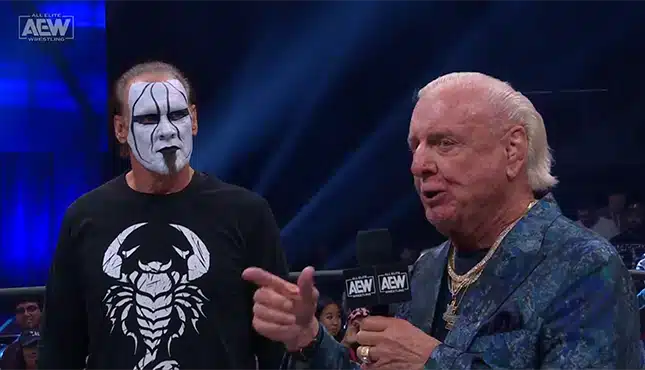
Legendary performers like Ric Flair, despite losing thousands of matches across his career, built reputations on their ability to reverse momentum late in contests, demonstrating how the comeback — and the skills required to make it land — defines careers and wrestling legacies as much as wins do. The most successful comebacks align with the wrestler’s established character traits, as consistent personas help audiences connect emotionally with these pivotal moments.
Finishing Sequences That Matter
The climax of every wrestling match hinges on one critical moment: the finishing sequence. This pivotal moment transforms anticipation into resolution, determining victory or defeat through signature moves that define a wrestler’s identity.
Protected finishers like Brock Lesnar’s F-5 or Sasha Banks’ Bank Statement carry immense credibility when used consistently — the audience has learned that these moves reliably end matches, which means their deployment in a major moment carries genuine weight. False finishes within the finishing sequence — when opponents unexpectedly kick out — create dramatic shock moments that elevate crowd investment precisely because the conditioning has been carefully set up.
Innovation distinguishes memorable finishing sequences from forgettable ones. Jake Roberts’ DDT revolutionised finishing moves by making a single move feel immediately, definitively lethal regardless of context. Modern combination finishers showcase technical versatility, but the underlying principle remains the same: the finishing sequence must feel like the logical, inevitable conclusion of everything the work has built toward, not an arbitrary endpoint.
The psychology behind finishing sequences drives storytelling effectiveness, turning anticipated climaxes into emotional crescendos that define wrestling’s theatrical appeal at its highest level.
Selling and Physical Storytelling
Every wince, grimace, and stagger within the squared circle carries narrative weight, transforming choreographed combat into compelling drama. Selling — the art of portraying pain and injury convincingly — forms the emotional backbone of the work. When wrestlers consistently favour injured limbs or display authentic-looking distress, they blur performance boundaries and encourage the audience investment that makes predetermined outcomes feel genuinely uncertain.
Compelling physical storytelling relies on body language, facial expressions, and strategic pacing to convey meaning without words. Wrestlers communicate struggle using universal physical cues that transcend language barriers, which is part of why professional wrestling has always had genuinely international appeal. Match psychology emerges through logical sequences: targeting weaknesses established earlier in the match, building sympathy for heroes, and generating heat for villains through visible physical dominance.
The balance proves vital. Under-selling diminishes impact — a babyface who bounces straight back from a devastating move communicates that the move wasn’t devastating. Over-selling destroys credibility — an opponent who reacts theatrically to every minor contact makes the entire performance feel artificial. Masters of the craft understand that alternating between intense moments and quieter beats creates the perfect rhythm for sustained audience engagement.
Legendary performers elevate both opponents and match quality through nuanced reactions that support narrative coherence. Great selling is not acting for the camera — it is the physical language through which the work’s story is told.
Crowd Manipulation and Kayfabe Maintenance
Beyond the ring ropes, wrestling’s most sophisticated artistry unfolds in the manipulation of audience perception and emotion. Wrestlers amplify crowd response through calculated performer-audience interactions: targeted taunts, strategic eye contact, and call-and-response sequences that create the illusion of personal connection between performer and crowd.
Kayfabe — the portrayal of storylines as if they were reality — extends far beyond scheduled events. Performers maintain character consistency across social media, public appearances, and backstage conduct. Modern wrestlers leverage digital platforms to reinforce their personas through carefully curated posts that blur the lines between character and reality, extending the work beyond the arena and into every space where the audience might encounter them.
However, over-reliance on artificial manipulation carries risks. Audiences are increasingly able to detect inauthentic responses, potentially triggering reactions that undermine carefully constructed narratives. The most durable works are those built on genuine crowd connection rather than manufactured responses — the difference between a crowd being pushed toward a reaction and one that is genuinely feeling one.
Level Up Your Fight IQ
The work is the whole craft — these guides break down its parts:
Frequently Asked Questions
How do wrestlers communicate match changes during live performances?
Professional wrestlers use multiple discreet methods to communicate match adjustments during live performances. They use subtle physical signals, such as hand squeezes and body positioning that blocks the audience’s line of sight, and brief whispered instructions during close-contact holds. Referees serve as essential intermediaries, receiving production changes through earpieces and relaying information to performers mid-match. Wrestlers time their communication during periods of crowd noise or high-impact moments to mask the exchange. The degree to which a match is called in the ring versus laid out beforehand varies by performer, promotion, and the match’s significance.
What happens when a wrestler gets legitimately injured mid-match?
When wrestlers sustain legitimate injuries during a match, ringside medical staff assess the severity of the injuries immediately. Referees signal medical emergencies by raising the X sign, which can stop the match. Minor injuries may be worked around through adjusted moves and improvised finishes. Severe injuries result in immediate stoppage, with the match declared a no-contest or ended as quickly as possible. Wrestlers frequently attempt to finish matches despite pain, driven by professional obligations and the need to protect ongoing storylines — finishing the work even when it hurts is considered part of the job.
How much of a wrestling match is planned versus improvised?
Professional wrestling matches typically follow a 60–80% planned, 20–40% improvised structure. Major plot points, endings, and high-risk spots are predetermined beforehand for safety and storytelling reasons. However, transitions, minor holds, and pacing adjustments happen spontaneously through in-ring communication between the performers. High-profile televised matches tend to be more thoroughly laid out, while house shows allow considerably more flexibility. Wrestler experience, match significance, and the culture of the individual promotion all influence how much is scripted versus called in the moment.
Do referees have real authority, or are they part of the work?
Referees operate with dual authority in professional wrestling. Within the storyline, they serve as impartial arbiters who enforce kayfabe rules and render match decisions. Behind the scenes, they have genuine operational authority: they receive production cues through earpieces, communicate timing changes to performers, and can legitimately stop matches for safety reasons. They enforce real safety protocols even while playing a scripted role. This creates a unique dynamic in which fictional authority masks substantial backstage responsibilities — the referee is both part of the work and one of the key people managing it.
How do bookers decide who wins a match?
Bookers and creative teams determine match winners during production meetings, weighing storyline needs, character development goals, and broader business considerations. Wrestlers learn outcomes through private discussions with agents or producers before their match. The decision prioritises narrative progression over competitive merit — whether the goal is building a new star, advancing a feud, or setting up a future storyline. Business factors, including merchandise performance, audience engagement data, and a performer’s current momentum with live crowds, also influence these predetermined results.