
When Efficiency Meets Tradition in Brazilian Jiu-Jitsu
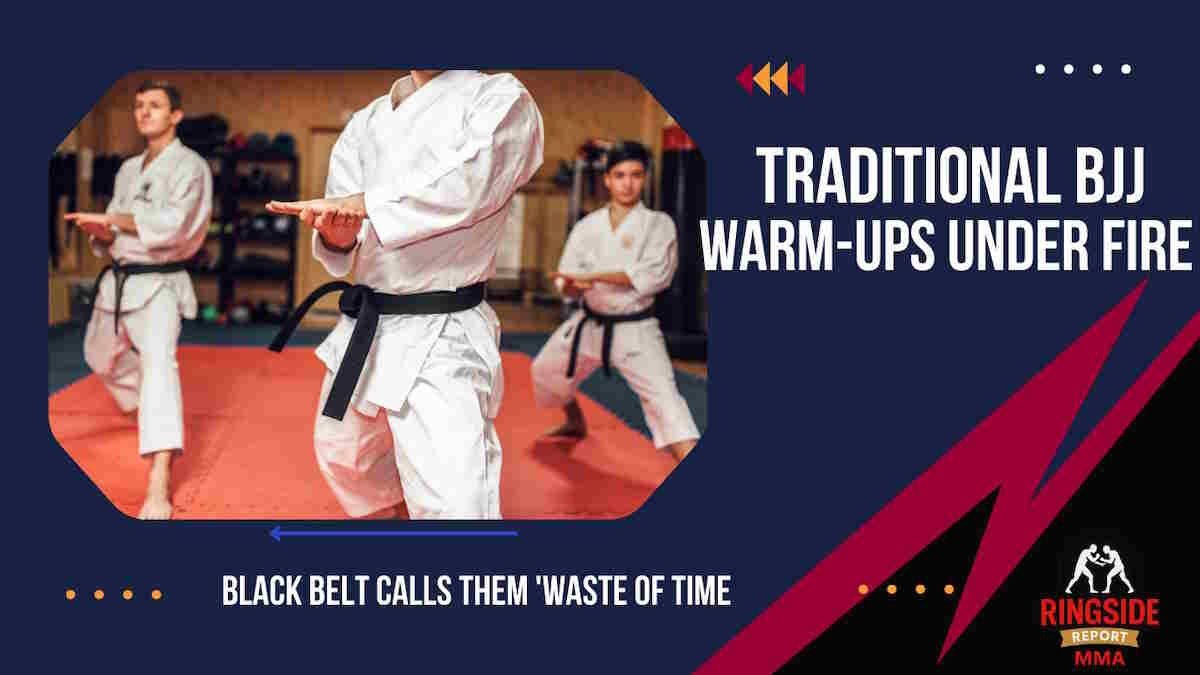
The Brazilian Jiu-Jitsu community is having one of those heated debates that cuts straight to the heart of what the art represents. A prominent black belt recently went public, calling traditional BJJ warm-ups a “complete waste of time,” and the response has been swift and divided. This isn’t just about exercise routines — it’s about respect, tradition, and whether modern efficiency should override decades of established practice.
Here’s what matters when we’re talking about traditional BJJ warm-ups: this isn’t just some casual gym debate. We’re discussing fundamental training philosophy that affects how athletes prepare their bodies and minds for one of the most physically demanding combat sports on the planet. This controversy touches on something deeper than training methodology. When you’re talking about an art form that emphasizes respect, discipline, and lineage, questioning fundamental practices isn’t just technical criticism — it’s challenging the culture itself.
The reality is that this black belt’s criticism has exposed a deep philosophical divide in the Brazilian Jiu-Jitsu community. On one side, you have traditionalists who view the ceremonial aspects of warm-ups as essential to the discipline. On the other hand, efficiency advocates argue that modern sports science demands we optimize every minute of training time.
The Traditional Approach Deserves Understanding
More Than Just Movement Patterns
The reality is that traditional BJJ warm-ups weren’t designed in a vacuum. Those hip escapes, forward rolls, and partner drills that some athletes now dismiss served multiple purposes beyond just getting the blood flowing. They built fundamental movement patterns, established mat awareness, and created a ritualistic transition from everyday life to serious training.
The traditional warm-up structure — the running, the shrimping, the endless drilling of basic movements — represents more than just physical preparation. For many practitioners, it’s a ritual that connects them to the lineage and culture of Brazilian Jiu-Jitsu. That cultural connection matters, especially in a sport where respect for tradition runs deep.

The Psychological Component Nobody Discusses
What’s often overlooked is the psychological component of traditional BJJ warm-ups. They created a shared experience that unified the class, regardless of belt level. When everyone goes through the same movements together, it reinforces the concept that BJJ is about collective growth, not individual optimization.
The traditional warm-up might serve psychological and cultural functions that we can’t easily measure or replace. Sometimes the ritual matters as much as the physical preparation.
The Cultural Weight That Makes This Personal
Why This Isn’t Just About Exercise Science
This deserves attention: BJJ carries the weight of Brazilian culture, where respect for tradition runs deep. When you dismiss traditional BJJ warm-ups that have been part of the art for generations, you’re not just critiquing exercise science — you’re potentially disrespecting the masters who developed these methods through decades of trial and refinement.
What’s often overlooked in this debate is that we’re not just talking about theoretical training methods. Real athletes are investing their limited training time, their bodies, and their competitive futures based on these decisions. When a gym owner chooses one approach over another, they’re making a choice that affects every student who walks through their doors.
The Modern Efficiency Argument Actually Has Merit
What the Performance Data Shows
But here’s where it gets complicated. The black belt making these claims isn’t wrong about efficiency. Modern sports science has shown us that sport-specific movements often provide better preparation than generic calisthenics. If you’re training for competition, spending fifteen minutes on movements that don’t directly translate to grappling scenarios could indeed be a suboptimal use of limited training time.
The performance data doesn’t necessarily support either side completely, but it leans toward specificity. Modern sports science shows us that sport-specific warm-ups generally produce better athletic outcomes than generic movement patterns. Rolling light before rolling hard makes more sense than doing jumping jacks before grappling.
The data support targeted warm-ups. Athletes who prepare with movements that mirror their sport’s demands typically show better performance and lower injury rates. For a competitor with limited training hours, every minute counts.
The Injury Prevention Paradox
However, injury-prevention data suggest that comprehensive movement preparation — which traditional BJJ warm-ups often provide — reduces long-term injury rates. The question becomes: are we optimizing for today’s performance or tomorrow’s longevity?
Historical Precedent Shows Evolution Is Inevitable
We’ve Seen This Movie Before
This deserves attention because we’ve seen this exact debate play out in other combat sports. Wrestling went through this transformation decades ago. Traditional calisthenics gave way to dynamic warm-ups and sport-specific preparation. The results? Faster, more explosive athletes who could maintain higher intensity throughout matches.
MMA faced the same crossroads in the early 2000s. Gyms that adapted modern strength and conditioning principles produced athletes who dominated those still stuck in traditional training methods. The Gracies themselves evolved their training methods as the sport grew and competition intensified.
The reality is we’ve seen this evolution before. When the Gracies first brought BJJ to mixed martial arts, they had to adapt traditional methods for new contexts. Royce Gracie’s early UFC victories came from traditional BJJ, but modern MMA fighters who use BJJ have significantly modified the art to suit their specific needs.
Both Approaches Can Coexist
What’s interesting is that some of the most successful modern competitors still swear by traditional methods. Marcus “Buchecha” Almeida, one of the greatest heavyweights in BJJ history, has spoken about the importance of conventional training elements in developing his game.
Many elite athletes incorporate sport-specific warm-ups while still respecting traditional elements. They’ve found ways to honor the culture while optimizing performance.
The Business Reality Behind the Debate
What Gym Owners Aren’t Saying
What’s happening here isn’t just about training effectiveness — it’s about gym culture and business models. Traditional BJJ warm-ups serve multiple purposes beyond physical preparation. They build group cohesion, establish rhythm and discipline, and, frankly, they help fill class time in a structured way that newer instructors can easily manage.
Gyms that eliminate traditional BJJ warm-ups need instructors confident enough to dive straight into technical instruction. That requires a higher level of teaching skill and a deeper understanding of how to structure productive training sessions.
My Bold Prediction: The Split Will Define Modern BJJ
Two Distinct Paths Are Emerging
Here’s my specific prediction, and I’m going on record with this: this controversy over traditional BJJ warm-ups will accelerate a division that’s already happening in Brazilian Jiu-Jitsu. Within three years, we’ll see two distinct paths emerge more clearly — traditional academies that maintain cultural practices and competition-focused schools that prioritize efficiency above tradition.
Traditional schools will continue to attract students who want the complete martial arts experience, including the cultural and philosophical elements. Efficiency-focused schools will attract serious competitors and athletes who want maximum results in minimum time.
The Hybrid Approach Will Win
But here’s the more specific prediction: the most successful competition teams will adopt hybrid approaches. They’ll combine sport-specific warm-ups with selective traditional elements that serve particular purposes. The gyms that thrive will be those that can explain why they do what they do.
Students today are more educated about training methodology than ever before. They want to understand how their preparation translates to performance improvement. As we’ve been tracking at Ringside Report, the combat sports landscape increasingly rewards programs that can balance tradition with optimization.
Where This Could Go Completely Wrong
The Risk Nobody Wants to Discuss
I’ll admit, this prediction assumes the BJJ community can handle this division without losing what makes the art special. There’s a real risk that completely abandoning traditional BJJ warm-ups could strip away the deeper lessons that BJJ teaches — patience, respect, and the understanding that some things can’t be rushed or optimized.
This prediction also assumes that competitive success drives training evolution in BJJ, as it has in other sports. But Brazilian Jiu-Jitsu has always been different. The cultural elements might prove more resilient than pure performance optimization would suggest.
The Answer Depends on Your Students
The reality is that the answer probably lies in understanding what each gym’s students actually need. A hobbyist training twice a week might benefit from the structure and community building of traditional warm-ups. A competitive athlete training daily needs every minute to be optimized for performance improvement.
What Happens Next Will Shape BJJ’s Identity
The Broader Question About BJJ’s Evolution
As we’ve been saying at Ringside Report, this controversy over traditional BJJ warm-ups isn’t really about warm-ups at all. It’s about how Brazilian Jiu-Jitsu defines itself as it continues to grow and evolve. The debate reflects BJJ’s ongoing evolution from martial art to sport. As competition becomes more sophisticated and athletes more professional, training methods will continue to evolve.
The response to this controversy will reveal a lot about where Brazilian Jiu-Jitsu is headed as it continues growing globally. If the community can find ways to respect both approaches — acknowledging that different goals require different methods — BJJ will be stronger for it.
Why Both Sides Are Actually Right
What’s encouraging is that both sides of this debate share the same goal: developing better practitioners. The traditionalists aren’t wrong about the value of discipline and cultural connection. The efficiency advocates aren’t wrong about maximizing training time.
But if this becomes a bitter divide where one side completely dismisses the other, we risk losing something essential. The art that taught us that technique defeats strength might forget that tradition and innovation don’t have to be enemies.
The black belt who started this controversy deserves credit for forcing a meaningful conversation. Whether his approach helps or hurts the art will depend on how the community responds. That’s the thing about BJJ — it’s always been about finding balance, even when the path forward isn’t immediately apparent. That’s a conversation worth having, and one that will ultimately strengthen the art.