
The Most Predictable Disaster in MMA History
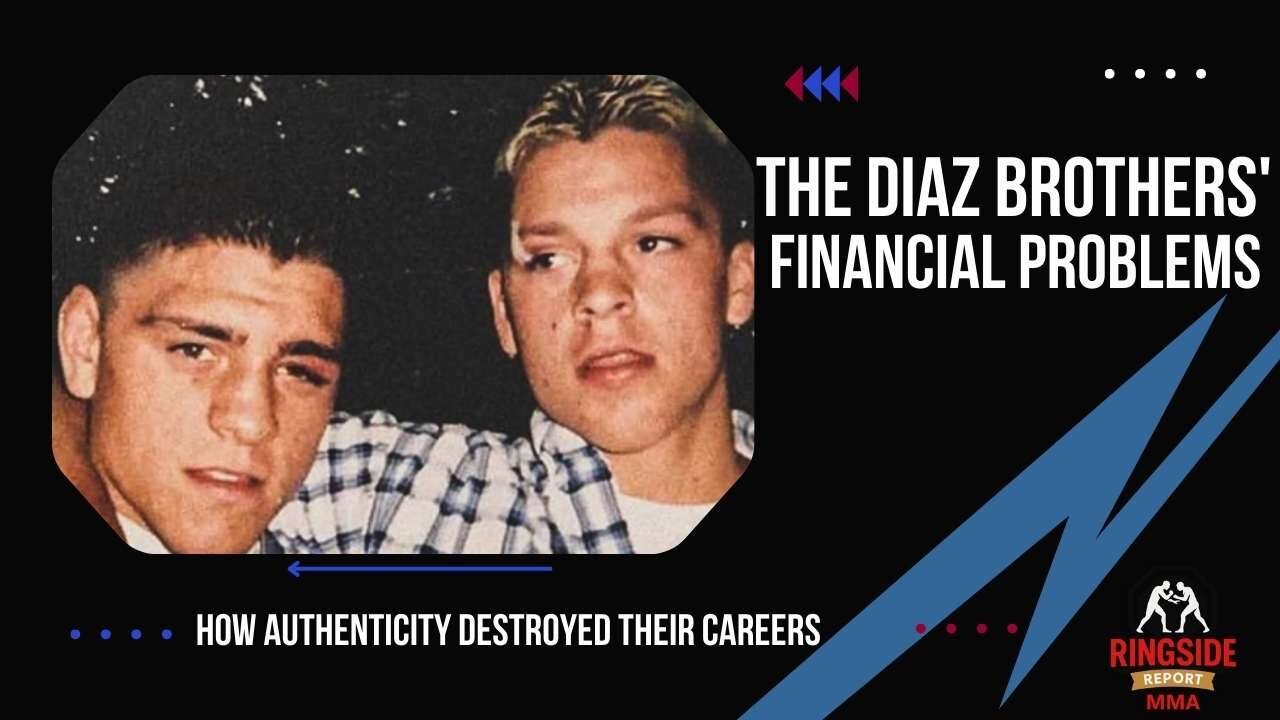
Nobody should be surprised that the Diaz brothers are dealing with personal and financial problems. When you’ve been covering combat sports as long as we have at Ringside Report, you start recognizing the patterns. Nick’s latest recovery update from his ongoing legal struggles isn’t just another celebrity drama story — it’s the continuation of a pattern that’s been destroying their careers for over a decade.
Here’s what matters: the Diaz brothers’ financial problems aren’t shocking revelations — they’re the logical endpoint of two decades of self-sabotage. Nick and Nate Diaz have always been their own worst enemies, and now we’re watching the inevitable conclusion of careers built on rebellion against the very system that made them famous. That’s the thing about the Diaz brothers: their authenticity was both their greatest strength and their fatal flaw.
The obvious take here is that fighters face unique pressures and sometimes make bad decisions. That’s surface-level analysis that misses the deeper problem. What we’re seeing with the Diaz brothers isn’t random bad luck or typical athlete mistakes — it’s a systematic pattern of self-destruction that reveals fundamental flaws in how MMA handles its biggest personalities.
Why the Diaz Brothers Were Always Destined for This
The Psychology of Professional Self-Destruction
The Diaz brothers never learned how to separate their personas from their business interests. While other fighters understood that trash talk and attitude were marketing tools, Nick and Nate genuinely believed their own hype. They weren’t playing characters — they were living them, and that’s where everything went sideways.
What made the Diaz brothers marketable is exactly what’s destroying them. Their authentic, unfiltered personalities generated massive fan loyalty and pay-per-view buys. But that same authenticity means they can’t turn off the behaviors that create problems outside the cage. Nate’s confrontational interviews aren’t an act — that’s really how he approaches conflict. Nick’s paranoia about the UFC and drug testing isn’t performance art — that’s genuine distrust that affects every business relationship.
Nick’s multiple retirements and comebacks, his issues with drug testing, his constant complaints about fighter pay — these weren’t calculated career moves. They were the actions of someone who fundamentally misunderstood how to leverage his popularity into long-term success. Meanwhile, Nate struck gold with the Conor McGregor fights, but then priced himself out of meaningful competition for years.
The Financial Reality Nobody Talks About
Here’s what most fans don’t understand: being a draw doesn’t automatically translate to financial security. Both Nick and Nate made serious money during their prime years. Nick’s biggest purses came during his Strikeforce championship run and early UFC return, while Nate’s bank account exploded after the McGregor fights. But here’s what we’ve been tracking at Ringside Report: neither brother seems to have developed the financial infrastructure that prevents these kinds of personal disasters.
Unlike fighters who invest in businesses, real estate, or proper management teams, the Diaz brothers maintained their Stockton street mentality toward money. That works great for motivation and authenticity, but it’s catastrophic for long-term financial planning. When you’re pulling in million-dollar paydays but still thinking like someone who grew up with nothing, you make decisions that create precisely the kind of legal and personal problems Nick’s dealing with now.
They also spent it as they’d always be headliners. Add in legal fees, training costs, entourage expenses, and the lifestyle that comes with sudden wealth, and you’ve got a recipe for financial disaster. We’ve seen this pattern before with other combat sports stars, but the Diaz brothers had an additional problem — they actively burned bridges with the UFC brass.
The Bridges They Burned
While guys like Chuck Liddell and Forrest Griffin transitioned into corporate roles, the Diaz brothers made themselves unemployable within the organization that could have provided long-term security. The UFC knew this and exploited it for years, promoting their rebellious image while doing nothing to help them develop the skills needed to handle success. Dana White made millions off their authenticity, then acted surprised when that same authenticity created problems.
What do you expect when you build your entire career on being the anti-establishment fighter, then wonder why the establishment doesn’t take care of you? The Diaz brothers spent years complaining about fighter pay while simultaneously making themselves difficult to work with. They wanted the benefits of being company men without any of the responsibilities.
The Deeper Issues Nobody Wants to Discuss
The Marijuana Suspension That Changed Everything
We can’t discuss the Diaz brothers’ struggles without acknowledging the role that marijuana played in derailing their careers. I’m not talking about moral judgments here; I’m talking about practical reality. Nick’s five-year suspension from NSAC wasn’t just bad luck — it was the predictable result of repeatedly testing positive while competing in a sport that treats marijuana as a performance-enhancing drug.
That suspension came during what should have been Nick’s prime earning years. Instead of building on his popularity from the BJ Penn and Paul Daley fights, he spent five years in legal battles and appeals. That’s five years of lost income, five years of skills deteriorating, and five years of mounting financial pressure that creates exactly the kind of desperation that leads to poor decision-making.
Nick’s situation is particularly tragic because he had multiple opportunities to secure his future. His comeback against Robbie Lawler should have been the start of a farewell tour, not another example of ring rust and missed opportunities. Instead, we got a performance that reminded everyone why he’d been away for so long.
The Support System That Never Existed
The Diaz camp never developed the professional infrastructure that successful fighters need. Compare them to someone like Daniel Cormier, who built relationships with legitimate business advisors, invested wisely, and transitioned smoothly into commentary. The Diaz brothers stayed loyal to their original crew from Stockton, which is admirable from a personal perspective but disastrous from a business standpoint.
This isn’t about selling out or changing who they are — it’s about surrounding yourself with people who can handle the parts of success that require skills beyond fighting. When your entire team consists of training partners and childhood friends, nobody’s qualified to manage million-dollar contracts or navigate complex legal situations.
The Pattern We’ve Seen Before
This isn’t unique to MMA. In boxing, how many legendary fighters ended up broke despite earning millions? The difference is that boxing has a longer history of cautionary tales. MMA is still young enough that fighters think they’re different, that they’ll be the exception to the rule.
But the math doesn’t lie. Combat sports careers are short, medical bills are expensive, and lifestyle inflation is real. The Diaz brothers are the most visible example of what happens when talent meets poor decision-making.
My Bold Prediction: This Gets Worse Before Any Comeback
Why a Return Won’t Save Them
Here’s my specific prediction, and I might be wrong about this: Nick Diaz will attempt another comeback fight within the next 18 months, driven primarily by financial necessity rather than competitive desire. The UFC will promote it heavily because the Diaz brothers’ fights still generate interest, but it’s going to be painful to watch.
Nick’s been out of serious competition for too long, dealing with too many personal issues, and facing younger fighters who’ve studied his style extensively. What made him dangerous in 2011 — the volume striking, cardio, and psychological warfare — won’t work against current welterweight contenders who are faster, more technical, and better prepared.
Nick’s physical and mental state seems too compromised for a legitimate comeback, and Nate’s asking price remains divorced from his current market value. The UFC has moved on. Dana White has his new stars, and the company doesn’t need the headaches that come with the Diaz brothers’ drama. Even if they swallowed their pride and accepted reasonable offers, their best days are clearly behind them.
Where This Prediction Could Go Wrong
I could be entirely off base here. Maybe Nick’s using this time away to get his personal life together and will return more focused than ever. Perhaps the legal issues get resolved quickly, and he comes back with renewed motivation. But that’s not the pattern we’ve seen from either Diaz brother over the past decade.
It isn’t very easy because part of me wants to see them succeed. Their contributions to MMA are undeniable — they changed how fighters could market themselves and proved that authenticity resonates with audiences. But wanting something and predicting it are different things.
The Legacy Question Nobody Wants to Ask
What They Changed vs. What They Lost
It’s complicated because the Diaz brothers changed MMA culture in meaningful ways. Their influence on the sport’s personality and presentation is undeniable. They gave us some of the most memorable moments in MMA history, and new fighters will continue to try to copy their style and attitude.
But legacies aren’t just built on peak performance — they’re also defined by how careers end. Right now, we’re watching two pioneers of modern MMA become cautionary tales about the importance of business acumen in professional fighting. That’s not the legacy they wanted, but it might be the one they deserve.
What do you expect from fighters who never learned to separate their competitive personas from their personal decision-making? The Diaz brothers provided a master class in how not to handle success. That’s their legacy — both the good and the cautionary tale.
What Happens Next Is Entirely Predictable
The Slow Fade We’re Already Watching
We all know how this story ends. There will be occasional social media outbursts, maybe some podcast appearances where they air grievances about the UFC. Nick will continue dealing with his personal issues largely out of the public eye, while Nate will keep talking about fights that will never happen at prices nobody will pay.
Nick’s recovery update reads like someone trying to get his life together after years of chaos, not someone preparing for championship runs. And honestly, maybe that’s for the best. Sometimes the most authentic thing a fighter can do is recognize when it’s time to focus on life outside the cage.
The real tragedy isn’t that the Diaz brothers are facing financial and personal problems — it’s that everyone saw this coming except them. They had the talent, the platform, and the fan base to secure their futures. Instead, they chose to be right rather than rich, authentic rather than strategic.
As we’ve been covering at Ringside Report, the modern combat sports landscape rewards fighters who understand business as much as fighting. The Diaz brothers never learned that lesson, and now they’re paying the price for their education. They’ll continue to be beloved figures in MMA history, with their best fights remembered as classics—but as active competitors dealing with real-world consequences? That chapter is likely closing.