
Fight IQ — Pro Wrestling Glossary
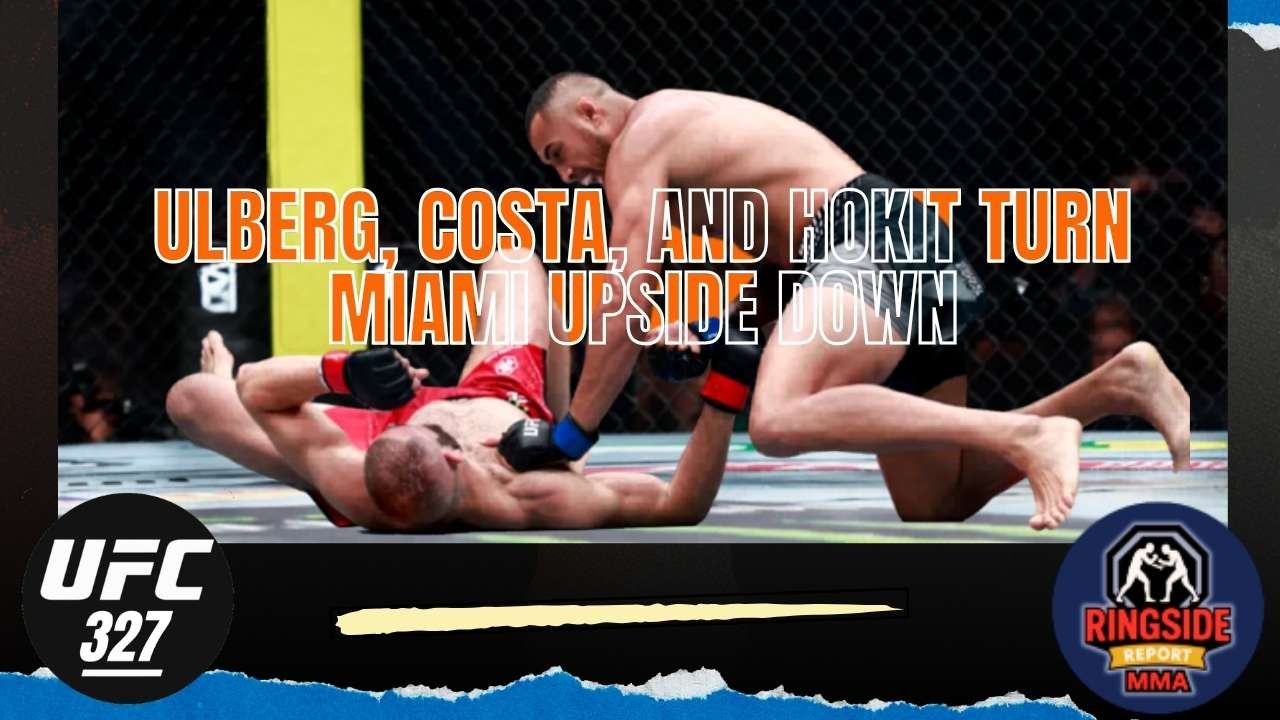
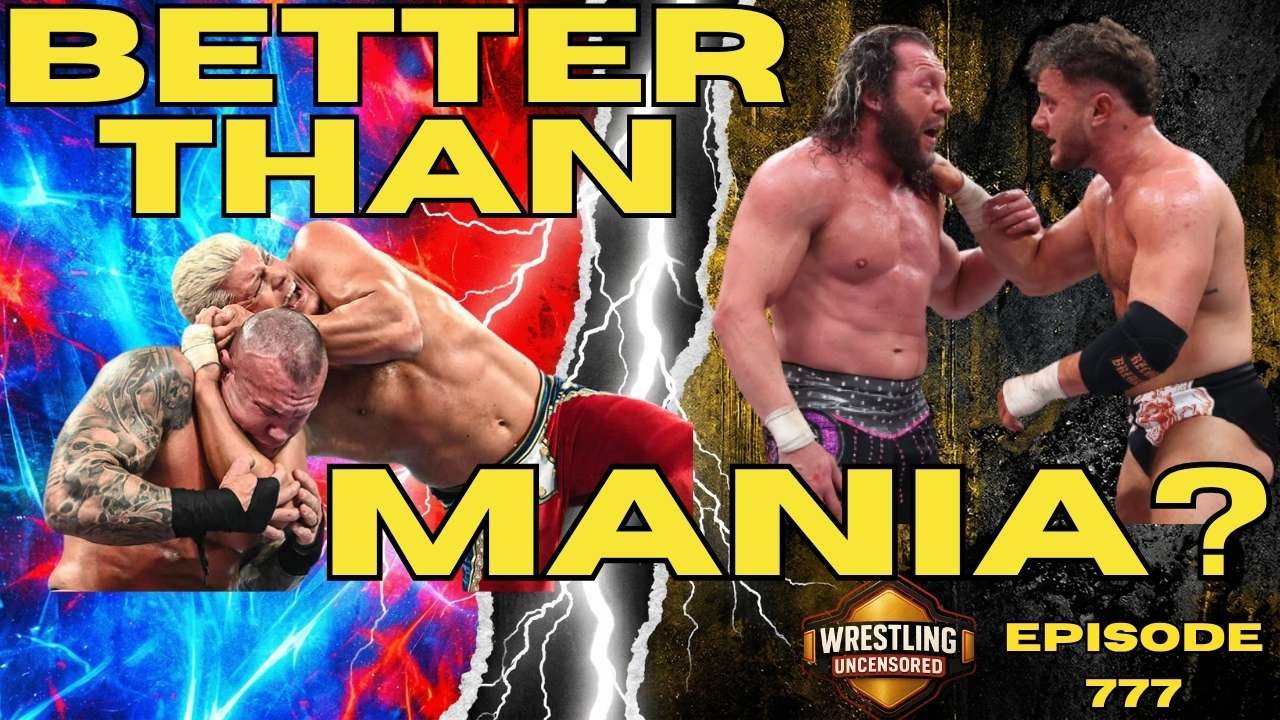
Striking in pro wrestling covers every punch, kick, elbow, and aerial attack — the techniques that create immediate visual impact, build crowd heat, and set up the bigger moves that define a match.
This guide covers how pro wrestling strikes actually work, the main categories from punches to aerial attacks, how safety is maintained, and how striking styles have evolved across eras and performers.
Guide to Striking in Pro Wrestling
What Is Striking in Pro Wrestling?
Striking in pro wrestling refers to all offensive techniques that involve one performer hitting another — punches, kicks, elbows, forearms, and aerial attacks that use the body as a weapon. Unlike submission holds or slams, which require sustained contact and positioning, strikes are immediate: they land, generate a reaction, and shift the momentum of a match in a single moment.
Pro wrestling strikes operate on a different principle than strikes in legitimate combat sports. Rather than maximising actual force, the goal is to maximise perceived force — to make the audience believe a punch landed hard while protecting the performer receiving it. This is achieved through technique: partially loose fists, controlled hand positioning, targeting areas of the body that absorb impact safely, sound amplification through methods like slapping the thigh or bicep, and, crucially, the selling of the person receiving the strike. A great punch in professional wrestling is as much about the reaction as the execution.
Strikes serve multiple functions within a match. They provide pacing — quick exchanges of punches and kicks keep energy high during transitions between bigger spots. They establish character — a methodical, clubbing style tells a different story than crisp, athletic kicks. They advance narrative — a heel raking the eyes or using an illegal closed fist communicates villainy without a word of dialogue. And they serve as setups, creating the positioning and momentum that enable the bigger moves.
Punch Variations and Techniques
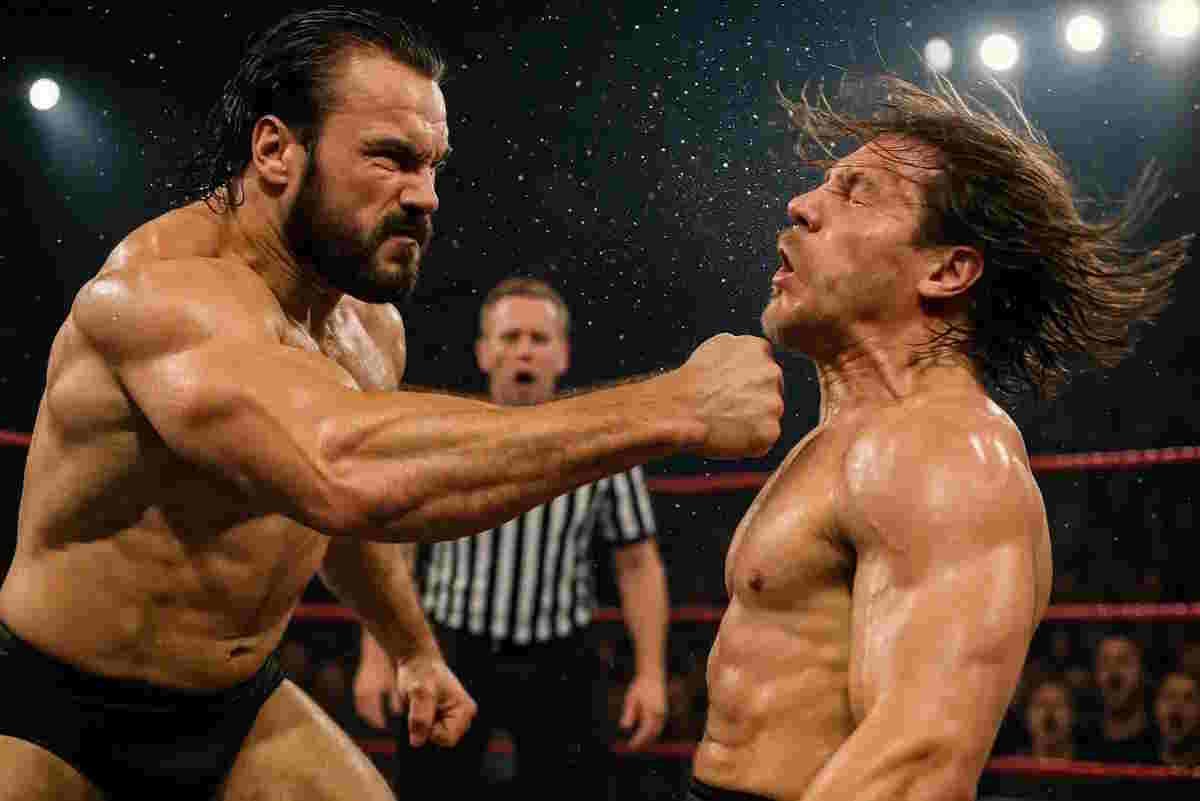
Punches are the most fundamental category of striking in pro wrestling, and they represent a carefully choreographed art form that balances dramatic visual impact with performer safety. Wrestlers employ partially loose fists and strategic hand positioning to soften blows while maintaining believability. Sound enhancement techniques — such as subtly slapping one’s bicep or thigh during impact — amplify the perceived power for audiences who might not be close enough to see the fine details of execution.
Uppercut variations showcase this technical diversity. The traditional wrestling uppercut targets the chin from a crouched stance, while Kane’s signature version incorporated downward opponent positioning with rising arm strikes for maximum visual drama. European uppercuts utilise forearm-across-chest motions — a technique borrowed directly from British and European wrestling traditions — and adapt well to both long-range and close-quarters distances.

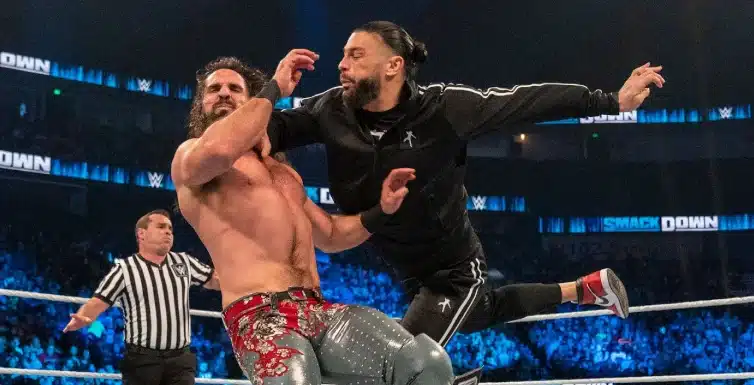
Signature styles further demonstrate punch craftsmanship. Big Show’s theatrical knockout blows combine his size with open-hand technique, creating the impression of unstoppable force. Roman Reigns’ Superman Punch adds leaping dynamics for acrobatic visual impact — it works not just as a punch but as a spot, a moment the crowd anticipates and reacts to. These punches can target various body parts and are not restricted to facial strikes, serving as essential components for setting up more complex maneuvers and establishing dominance in the ring. These offensive moves also connect to the broader striking vocabulary found in MMA, though the execution principles differ significantly between the two disciplines.
Kick Methods and Execution Styles
Wrestling kicks elevate striking in pro wrestling through dynamic movement and athletic precision. The snap kick — commonly called the toe kick — targets the midsection to force opponents forward, creating opportunities for follow-up maneuvers. Performers strike with the foot’s point, instep, or shin area for maximum speed and surprise.
Aerial techniques showcase wrestling’s theatrical nature. The backflip kick — the Pélé kick — involves executing a standing backflip while striking the opponent’s head. Variations include launches from backrolls, corkscrews, and handsprings, each adding a layer of complexity that makes the move more spectacular to watch and more difficult to execute safely.
The tiger wall flip combines athleticism with showmanship — wrestlers run up ropes or opponents before performing a backflip kick, using the environment itself as part of the technique.
Long-range strikes, such as the big boot, deliver powerful blows to the face or chest and have been used for generations to establish dominance by larger performers. The superkick employs a high, side-thrust motion targeting an opponent’s head or chin — a move that became so closely associated with babyface comebacks during Shawn Michaels’ career that it took on genuine emotional weight beyond its physical execution. The knee lift strikes under the chin from a clinch or when charging a kneeling opponent, while spinning heel kicks utilise rotational momentum to achieve enhanced reach and a devastating visual effect.
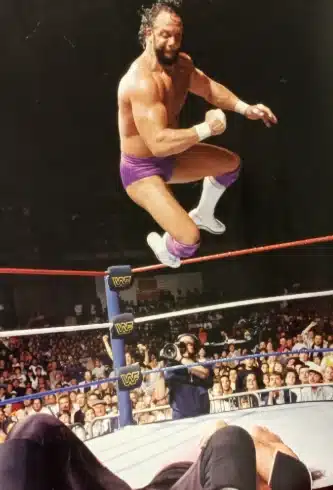
High-Flying Aerial Strike Maneuvers
Aerial strikes are the most spectacular dimension of striking in pro wrestling — maneuvers that transform the ring into a three-dimensional battlefield where gravity becomes both ally and adversary. These maneuvers utilise ring ropes, turnbuckles, and posts to generate height and momentum, creating spectacular displays of athletic prowess that are impossible to replicate in legitimate competition.
Basic aerial strikes include diving crossbodies, flying clotheslines, and thrust kicks delivered from elevated positions. More complex variations incorporate complete rotations — the corkscrew shooting star press, for example, requires performers to execute a 360-degree twist while backflipping onto their opponents, demanding an extraordinary combination of spatial awareness, timing, and trust between both performers.
Randy Savage popularised the diving elbow drop, turning a relatively straightforward aerial strike into one of wrestling’s most iconic finishing moves through years of consistent execution and precise, dramatic timing. Adrian Neville’s “Red Arrow” — the corkscrew shooting star press — represents the modern evolution of the form, raising the technical ceiling of what aerial strikes can look like.
These high-risk maneuvers deliver tremendous visual impact and shift momentum instantly. However, botched executions carry significant injury risks, making successful aerial strikes both proof of performer skill and calculated gambles with physical safety. The Shooting Star Press has faced periodic WWE bans due to safety concerns, with reinstatement requiring demonstrated safe execution under supervision. The diving headbutt carries particular risks due to the repeated impact on the performer’s own head and neck — a reality that contributed to serious long-term health consequences for several wrestlers who relied on it as a signature move.
Elbow and Forearm Combat Moves
Elbow and forearm techniques are among the most effective tools in striking in pro wrestling, serving as the backbone of close-quarters combat and transforming simple body mechanics into devastating theatrical weapons that work at ranges where punches and kicks become impractical.
These versatile attacks include horizontal elbows targeting the jaw, upward strikes aimed at the chin, and downward blows delivered from elevated positions. Spinning variations maximise rotational force for surprise counters, while backward elbows catch approaching opponents off guard — a technique that reads as instinctive and reactive, which serves the narrative of a performer fighting from desperation.
Forearm strikes utilise the meaty portion of the arm to deliver safe yet visually impactful blows to the chest and neck. Classic maneuvers like Bret Hart’s forearm smash and the flying elbow drop became signature finishing moves through years of consistent execution and precise ring psychology — performers who could time an elbow drop perfectly, landing it at the exact moment the crowd was at peak anticipation, understood something fundamental about how wrestling storytelling works.
Training emphasises proper hip rotation, weight transfer, and communication between performers to guarantee both safety and crowd appeal. Effective elbow control requires wrestlers to understand their opponent’s positioning well enough to create the openings that make subsequent attacks possible — the elbow or forearm is often as much a setup tool as a finishing strike.
Strike Evolution and Performance Development
The craft of striking in pro wrestling has evolved considerably as promotions have invested more systematically in performance development and coaching methodology. What was once passed down entirely through apprenticeship in the territories — a veteran teaching a newcomer to pull a punch through direct demonstration and repetition — is now supplemented by video analysis, structured curriculum, and in the largest promotions, dedicated striking coaches with backgrounds in legitimate combat sports.
WWE’s Performance Center represents the most visible example of this shift, providing trainees with access to coaches who can break down striking technique frame by frame, identifying mechanical errors in execution that would previously have gone unaddressed until they either led to injury or were corrected through years of live performance experience. The same approach applies to the receiving end — learning to take strikes safely, to position the body correctly to absorb impact without injury, is taught as rigorously as how to deliver them.
Modern wrestlers also draw from a broader international toolkit than previous generations. The influence of Japanese strong style — emphasising harder-looking strikes with legitimate contact at controlled intensity — has been significant, as has the technical vocabulary imported from MMA as more performers have backgrounds in legitimate combat sports. The result is a contemporary striking in pro wrestling vocabulary that is more diverse and technically sophisticated than at any previous point in wrestling history, while the underlying principle — making strikes look devastating while keeping both performers safe — remains unchanged from the earliest days of the craft.
Level Up Your Fight IQ
Strikes are the surface — explore the craft underneath:
Frequently Asked Questions
How do wrestlers avoid serious injury when performing strikes?
Professional wrestlers minimise injury risk through precise technique and extensive pre-match coordination. They employ ‘working punches’ and ‘pulled kicks’ that reduce actual impact force while maintaining visual authenticity — striking with partially loose fists, targeting safer body zones like the shoulders and upper back, and using sound amplification techniques such as slapping the thigh or bicep to sell the impact without delivering full force. Wrestlers undergo rigorous conditioning focused on neck and core strength to handle the contact they do receive, while pre-match planning, real-time communication between performers, referee oversight, and immediate medical support at ringside create multiple layers of protection during high-impact sequences.
What protective gear do wrestlers wear to minimise strike damage?
Wrestlers typically wear mouthguards to absorb shock from jaw strikes and reduce concussion risk. Knee and elbow pads cushion joint impacts, while wrestling boots provide ankle support during high-impact landings. Some performers use compression garments to stabilise muscles during physical contact. Headgear is less common in professional wrestling than in amateur or combat sports contexts, as it would interfere with the visual presentation of the performance, but specific high-risk training and development environments do use impact-protection equipment during the learning phase.
Are pro wrestling strikes choreographed or improvised?
Pro wrestling strikes blend predetermined structure with live improvisation. Wrestlers typically agree on major sequences and key spots during pre-match planning, but individual strikes within those sequences are often executed spontaneously in response to the live rhythm of the match and the crowd’s energy. This approach allows performers to adapt to audience reactions and maintain a seamless flow while ensuring safety through real-time communication — whispered cues during holds, hand signals, and the developed shorthand that comes from working together regularly. The combination of scripted outcomes with improvised execution is one of the defining characteristics of professional wrestling as a performance form.
How do referees handle illegal strikes in professional wrestling?
Within the worked context of professional wrestling, referee enforcement of striking rules is itself a performance element — illegal strikes by a heel character generate heat, and the referee’s five-count or warning contributes to the match’s narrative. Referees signal violations for moves like closed-fist punches (technically illegal in many promotions’ rule sets), eye gouges, or groin strikes, but the enforcement is calibrated to serve the story rather than eliminate the move entirely. Outside the kayfabe context, referees also play a genuine safety role, monitoring performers for signs of genuine distress or injury and having the authority to stop a match if a performer is in real danger.
What training methods develop safe striking technique in wrestlers?
Wrestlers develop striking techniques through shadow work in empty rings, controlled partner drilling at low intensity, and breaking down individual strikes into component parts — stance, wind-up, contact point, follow-through — with coaching feedback at each stage. Training emphasises pulling punches at the contact point to maintain realistic visual impact without causing injury, and extensive video analysis helps identify mechanical errors before they become ingrained habits. Gradual progression from basic to complex combinations, combined with strength and conditioning programs that build the neck and core strength necessary to both deliver and receive strikes safely, forms the foundation of proper striking development for professional wrestling.