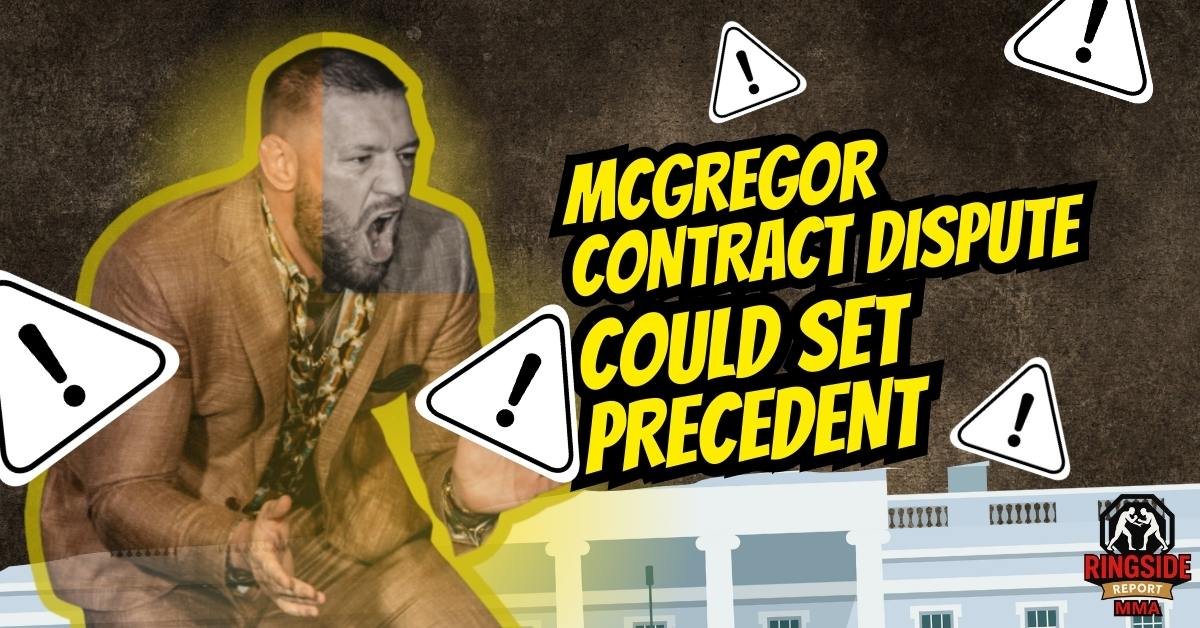

The McGregor contract dispute just got real. He’s claiming his deal is “essentially void” because the Paramount deal fundamentally changed the game. The reality is this isn’t just another headline grab—this could reshape how fighter contracts work across the entire organization.
The timing tells you everything. McGregor made these claims on January 18-19, 2026, just as his prolonged anti-doping layoff was set to clear in March. He’s saying the UFC’s $7.7 billion Paramount deal eliminated the pay-per-view revenue structure on which his original contract was based. That’s not a throwaway complaint—that’s a specific legal argument about material breach of contract.
What’s often overlooked here is that McGregor isn’t just complaining about money. He’s making a structural argument: if your contract says you get paid based on PPV buys, and the company eliminates PPV buys through a streaming deal, what happens to that contract? That’s not frivolous. That’s the core of his legal position.

The McGregor Contract Argument Nobody’s Discussing
Here’s what matters: McGregor says he’s entering negotiations in February. That’s the key detail everyone’s missing. He’s not filing lawsuits. He’s not walking away. He’s negotiating. Which means either his lawyers told him he’s got legitimate leverage, or he’s bluffing with the best poker face in combat sports history.
The UFC’s silence is deafening. Dana White expressed skepticism about McGregor appearing at the White House card in June, but he didn’t address the contract claim. That’s unusual for Dana, who typically fires back immediately when fighters challenge him publicly. The lack of pushback suggests this might have more teeth than it appears.
In these situations, the promotion typically holds all the cards. UFC contracts are notoriously fighter-unfavorable, with exclusive options on the company’s side and limited recourse for athletes. But McGregor isn’t a typical fighter—he’s the only UFC athlete who’s ever had genuine leverage to negotiate from strength.
Why the Paramount Deal Changes Everything
The UFC’s business model fundamentally shifted when it moved from PPV-dependent revenue to the Paramount streaming deal. Fighters with contracts written during the PPV era have a legitimate argument that their compensation structure no longer exists as originally conceived. McGregor’s just the first one with enough star power to say it out loud.
This isn’t about whether McGregor deserves more money—the man’s made hundreds of millions. This is about whether the UFC can unilaterally change its business model while holding fighters to contracts written under the old system. If McGregor’s argument holds water, every fighter signed before the Paramount deal could theoretically make the same claim.
The precedent this sets matters more than McGregor’s individual situation. If the McGregor contract renegotiation succeeds based on these arguments, they’ve essentially admitted that the Paramount deal materially changed existing contracts. That opens the door for other fighters to demand similar treatment.
The Historical Context You Need to Understand
We’ve seen contract disputes before in combat sports, but nothing quite like this. The closest parallel is when fighters have challenged exclusive contracts through antitrust litigation, but those cases typically took years and ended in settlements that changed nothing structurally.
What makes this different is McGregor’s approach. He’s not suing—he’s negotiating publicly. That’s smart. It puts pressure on the UFC without burning bridges completely. He can still fight for them if they meet his terms, but he’s making it clear that those terms need to reflect the new reality.
McGregor hasn’t fought since July 2021, which means he’s been on the shelf for nearly five years by the time his layoff ends in March. That’s an eternity in combat sports. The question is whether he still has enough drawing power to justify the leverage he’s claiming. My gut says yes—McGregor’s name still moves needles like nobody else in the sport.
What This Means for Other Fighters
Here’s where this gets interesting for the broader roster. If McGregor successfully renegotiates based on the Paramount deal argument, mid-tier fighters won’t suddenly get the same treatment. The UFC will draw a line between its biggest star and everyone else. But it does establish that the company’s willing to acknowledge the business model shift when the stakes are high enough.
That creates a roadmap for other elite fighters with old contracts. Not everyone, but champions and proven draws could use this as precedent. The UFC’s going to hate that, which is probably why they’re staying quiet right now instead of publicly destroying McGregor’s argument.
My Bold Prediction: The February Negotiation
Here’s my specific call: McGregor gets a modified deal by mid-February that includes guaranteed money regardless of PPV performance, but with incentives tied to streaming metrics and overall event success. The UFC doesn’t admit that his contract was void, but they restructured it enough that McGregor can claim victory. He fights at the White House card in June—a card Dana White has been cautious about committing to—probably not as the main event, but on the card. Both sides save face.
The alternative scenario is that McGregor walks and tries boxing or another venture, but that doesn’t make sense for either party. The UFC needs him more than they’ll admit, and McGregor needs the UFC platform to stay relevant in combat sports. This ends in a renegotiation, not a divorce.
What could prove me wrong? If the UFC’s lawyers are confident McGregor’s contract is ironclad regardless of the Paramount deal, they might call his bluff. If they believe they can win in court if he tries to fight elsewhere, they might let him walk and make an example of him. That would be brutal, but it would send a message to every other fighter thinking about challenging their deals.
What Happens Next Regarding the McGregor contract
The February negotiations will tell us everything. If McGregor’s still making noise by March when his layoff clears, this is real. If he suddenly goes quiet and announces a fight date, the UFC paid him to shut up, and we’ll never know the details.
What’s certain is this: the UFC’s business model changed fundamentally with the Paramount deal, but their fighter contracts didn’t automatically adjust. That’s a tension that had to surface eventually. McGregor’s just the first fighter with enough power to force the conversation.
For fans, this matters because it affects who fights and when. For fighters, this could crack open a door that’s been locked for years. For the UFC, this is a test of whether its contract structure can withstand its own business evolution.
The reality is we’re watching a negotiation play out in public, which means most of what we’re seeing is posturing. But underneath the noise, there’s a legitimate legal question about what happens when a company fundamentally changes its revenue model while holding athletes to contracts written for the old system. McGregor might be the messenger, but the message affects everyone in the organization.
The McGregor contract situation deserves attention not because he needs more money, but because it exposes the structural imbalance in how UFC contracts work. Whether this changes anything in the long term depends entirely on how the February negotiations play out—and whether other fighters are watching closely enough to follow McGregor’s lead.