
In the history of combat sports, there are champions, there are legends, and then there is Ivan Gene LeBell. Born on October 9, 1932, and passing peacefully in his sleep on August 9, 2022, LeBell was widely regarded as “The Toughest Man Alive.”
But Gene LeBell was more than just a tough guy. He was the singular human bridge connecting traditional martial arts, the theatrical world of professional wrestling, the raw reality of modern MMA, and the spectacle of Hollywood action. To understand the evolution of fighting over the last century — from the carnival hooker to the Octagon — you must understand the life of Gene LeBell.
⚡ Quick Facts: Gene LeBell
Table of Contents
From the Olympic Auditorium to the Kodokan: The Origin of the “Pink Gi”
Gene LeBell didn’t just stumble into the fight game — he was born into royalty. His mother, Aileen Eaton, was the legendary promoter who owned the Olympic Auditorium in Los Angeles, the epicenter of West Coast boxing and wrestling. Aileen would later become the first woman inducted into the International Boxing Hall of Fame. While other kids were playing catch, a young Gene was learning catch-as-catch-can wrestling, starting at age seven under the tutelage of the fearsome Ed “Strangler” Lewis and Karl Gotch.
That old-school training gave him an early, foundational grasp of joint locks and positional riding — control-based grappling concepts that traditional Japanese Judo of that era didn’t emphasize, and that would define his fighting style for the rest of his life.
However, it was on the judo mats where “Judo Gene” LeBell truly forged his reputation. Transitioning from catch wrestling to the gi, he dominated the American scene, winning the AAU National Judo Championships in 1954 and 1955 and capturing the heavyweight and overall titles. His pursuit of excellence led him to the source: The Kodokan in Japan. There, he trained with the masters, eventually earning the rare rank of a 10th degree red belt in Judo and a 9th degree black belt in Jiu-Jitsu.
🥋 The Legend of the Pink Gi
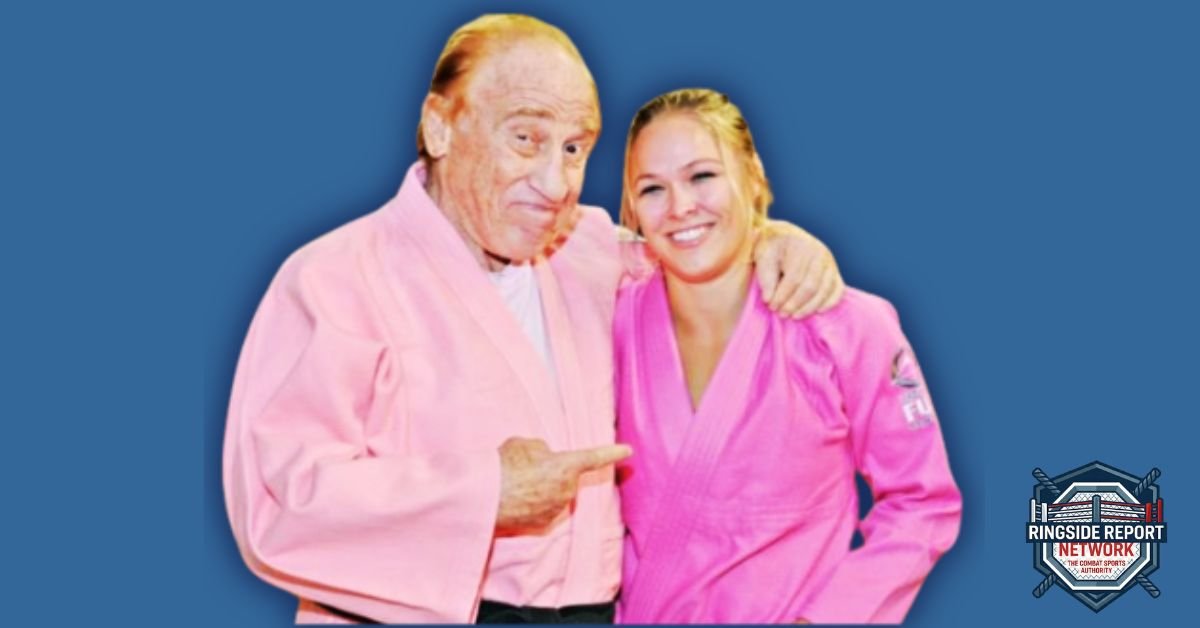
Fans instantly recognize Gene LeBell by his trademark pink gi, a look that became iconic in the martial arts world. As LeBell told the story in his autobiography, The Godfather of Grappling, it wasn’t a fashion statement — at least not initially.
While preparing for a tournament in Japan, he accidentally washed his white gi with a pair of red shorts. The uniform came out a dull pink. With no money for a new one, he wore it anyway. The Japanese crowd, amused and insulted, booed him. But after he won his division, the pink gi became a symbol of his rebellious, undeniable skill. He wore it for the rest of his life.
The 1963 Fight That Predicted MMA: Gene LeBell vs. Milo Savage
Long before the UFC existed, there was the Gene LeBell fight that started it all. On December 2, 1963, boxer Jim Beck publicly challenged any martial artist, claiming that boxing was superior. LeBell accepted the challenge but arrived to find he wouldn’t be fighting Beck. Instead, he faced Milo Savage, a top-ranked boxer with an amateur wrestling background, in Salt Lake City.
The deck was stacked against the grappler. Savage’s camp reportedly greased his body with Vaseline to make gripping impossible and allegedly hid brass knuckles beneath his light gloves. It didn’t matter.
“I didn’t want to hurt him. I just wanted to make him go to sleep.”
— Gene LeBell, on the Milo Savage fight
In a bout that is now considered the first televised mixed martial arts fight in American history, Gene LeBell beat Milo Savage by closing the distance, taking him down, and choking him unconscious with a rear naked choke in the fourth round. When the referee hesitated to stop the fight, LeBell held the choke for an extra few seconds to ensure Savage was out.
This bout, occurring 30 years before UFC 1, cemented Gene LeBell’s MMA legacy before the term “MMA” was even coined. Combat sports historians often point to LeBell-Savage as predating the Vale Tudo and no-holds-barred (NHB) rulesets that would later define challenge matches in Brazil and, eventually, the early UFC — making it arguably the first NHB-style bout broadcast on American television.
| Attribute | Gene “Judo” LeBell | Milo Savage |
|---|---|---|
| Background | Kodokan Judo & catch-as-catch-can wrestling | Professional boxing (light-heavyweight) with an amateur wrestling background |
| Age at Fight | 31 | 39 |
| Record Entering the Bout | Two-time AAU National Judo Champion (1954, 1955) | Professional boxing record of 49-46-9 |
| Attire / Gear | Full judo gi, barefoot | Boxing trunks and a gi top, wearing lightweight “speed-bag” gloves |
| Result | Win — 4th-round rear naked choke | Loss — choked unconscious |
| Historical Significance | Widely cited as the first televised mixed martial arts fight in American history | Represented the “boxing beats any martial art” challenge that sparked the bout |
“Judo” Gene in the Squared Circle
Gene LeBell’s professional wrestling career was a natural extension of his grappling background. Trained in catch wrestling as a child, he transitioned seamlessly into the world of sports entertainment.
He wrestled in the NWA territories throughout the 1960s and 1970s, often working as a “shooter” — a legitimate grappler who could protect the business if an opponent tried to go off-script. His most famous wrestling moment came as the referee for the infamous Muhammad Ali vs. Antonio Inoki fight in 1976, a bizarre spectacle that nonetheless planted seeds for modern MMA.
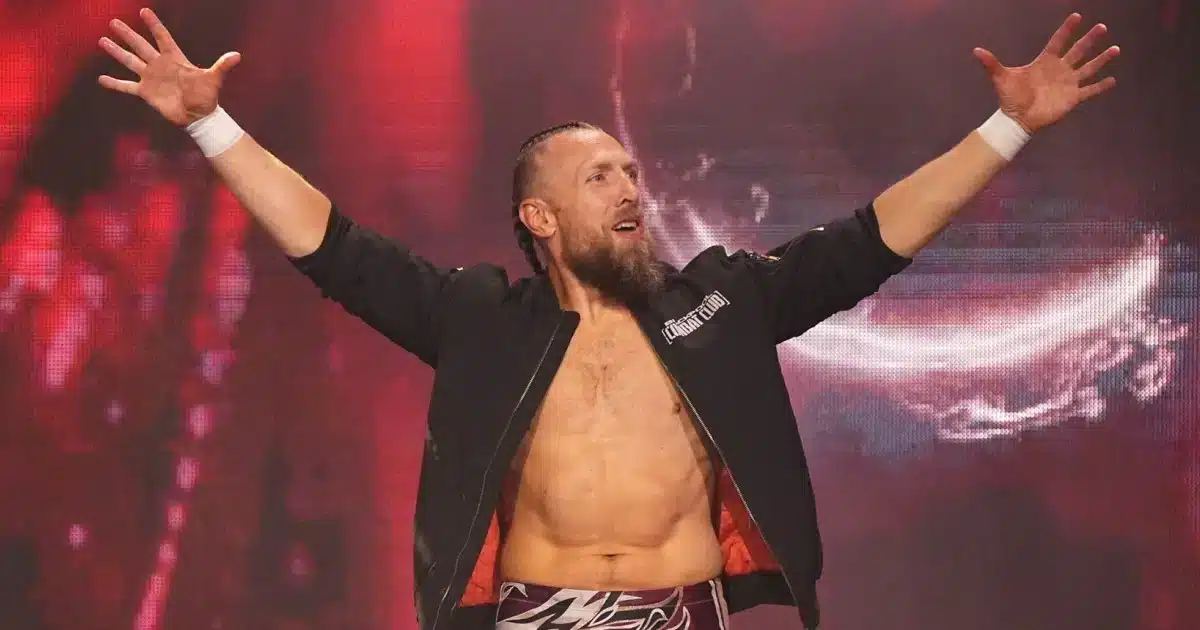
Perhaps his most lasting wrestling legacy is the LeBell Lock, an omoplata crossface submission that WWE’s Daniel Bryan (Bryan Danielson) adopted as his finishing move in tribute to the grappling legend. Every time Bryan locked in the submission, he carried on Gene’s legacy to millions of viewers.
The Bruce Lee Connection: Teaching Grappling to a Legend
In 1966, Gene LeBell found himself on the set of The Green Hornet, where he met a young martial artist named Bruce Lee. What began as a professional acquaintance became a genuine friendship and training partnership that would influence the history of martial arts.
LeBell taught Lee grappling techniques — armbars, chokes, and takedowns — that the striking specialist had never deeply explored. In return, Lee introduced LeBell to Jeet Kune Do concepts, including hand trapping and intercepting attacks.
🎬 Hollywood Connection: The relationship between Gene LeBell and Bruce Lee reportedly inspired the Cliff Booth character (played by Brad Pitt) in Quentin Tarantino’s Once Upon a Time in Hollywood (2019). The infamous “fight scene” sparked controversy among Lee’s family, but those who knew LeBell understood the inspiration.
Their training relationship was significant because it exposed Bruce Lee to the importance of ground fighting — a dimension of combat that Lee’s original Wing Chun training had neglected. This cross-pollination of striking and grappling was decades ahead of its time.
The Steven Seagal Incident: Hollywood’s Worst-Kept Secret
No Gene LeBell profile would be complete without addressing the infamous Steven Seagal incident — perhaps the most legendary backstage story in Hollywood history.
According to multiple witnesses, including stuntman Steven Lambert, the incident occurred on the set of Out for Justice (1991). Seagal, an Aikido practitioner, allegedly bragged that his martial arts skills made him immune to being choked out. LeBell, who was working as the film’s stunt coordinator, reportedly offered to test that theory.
“Steven Seagal is a wonderful martial artist.”
— Gene LeBell’s standard response when asked about the incident (always with a smile)
The persistent rumor — corroborated by multiple sources but denied by Seagal — is that LeBell applied a rear-naked choke, Seagal lost consciousness, and suffered an embarrassing bodily function in the process. LeBell never confirmed or denied the specifics, instead responding with a mischievous grin and diplomatic praise for Seagal’s martial arts abilities.
📚 As Referenced in This Article
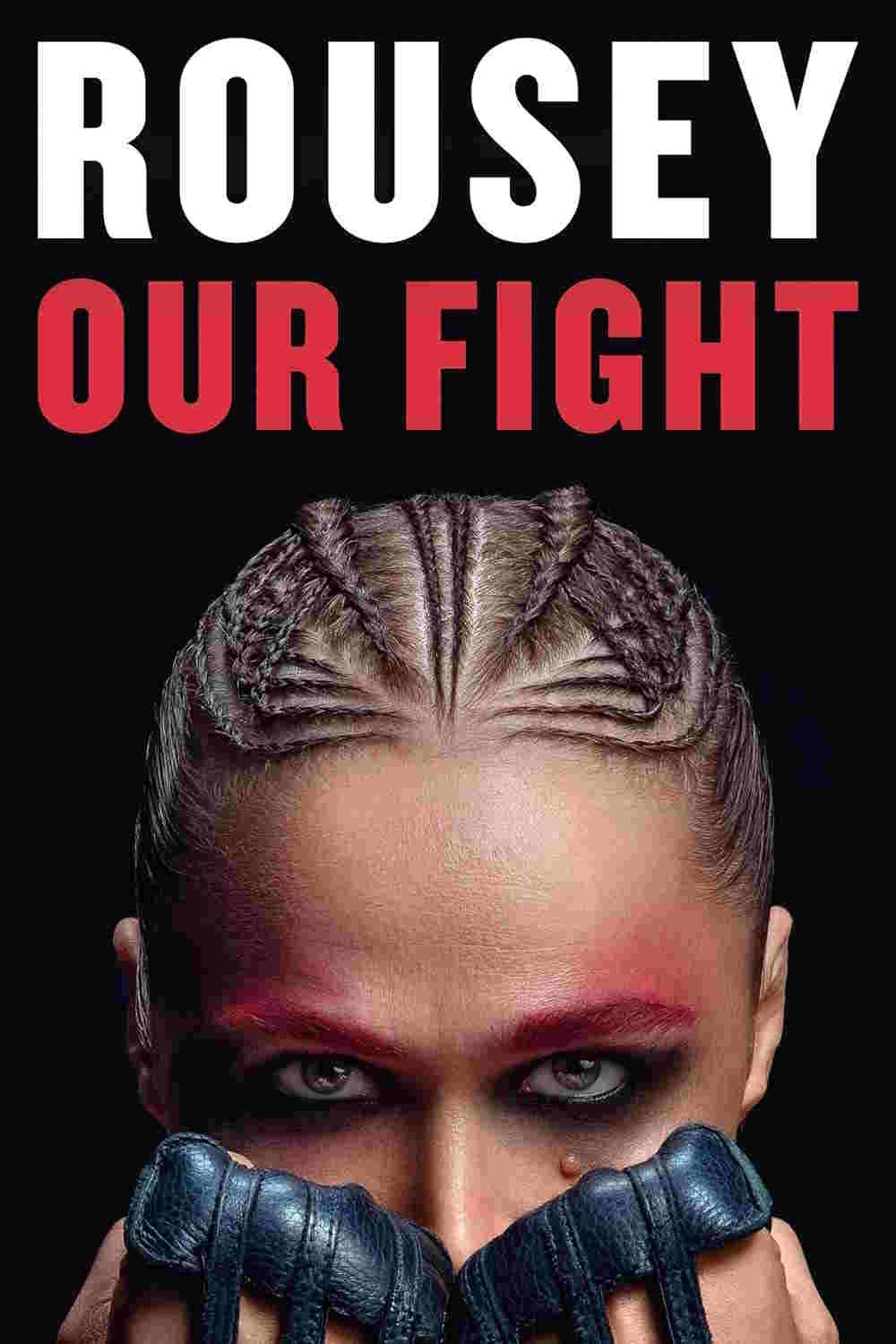
Our Fight — Ronda Rousey
From New York Times bestselling author and trailblazing athlete Ronda Rousey — an unfiltered chronicle of her last decade. Career transition, parenthood, overcoming adversity, and finding meaning after the fall. If you want to understand the real story behind her exit from the UFC, this is where it starts.
View on Amazon →Ringside Report is a participant in the Amazon Services LLC Associates Program. This is an affiliate link — we may earn a small commission at no extra cost to you.
Training the Next Generation: From Chuck Norris to Ronda Rousey
Gene LeBell’s influence extended far beyond his own achievements. Through his decades of teaching at the Hayastan MMA Academy (alongside Gokor Chivichyan), he shaped generations of fighters and celebrities.
Notable Students and Training Partners
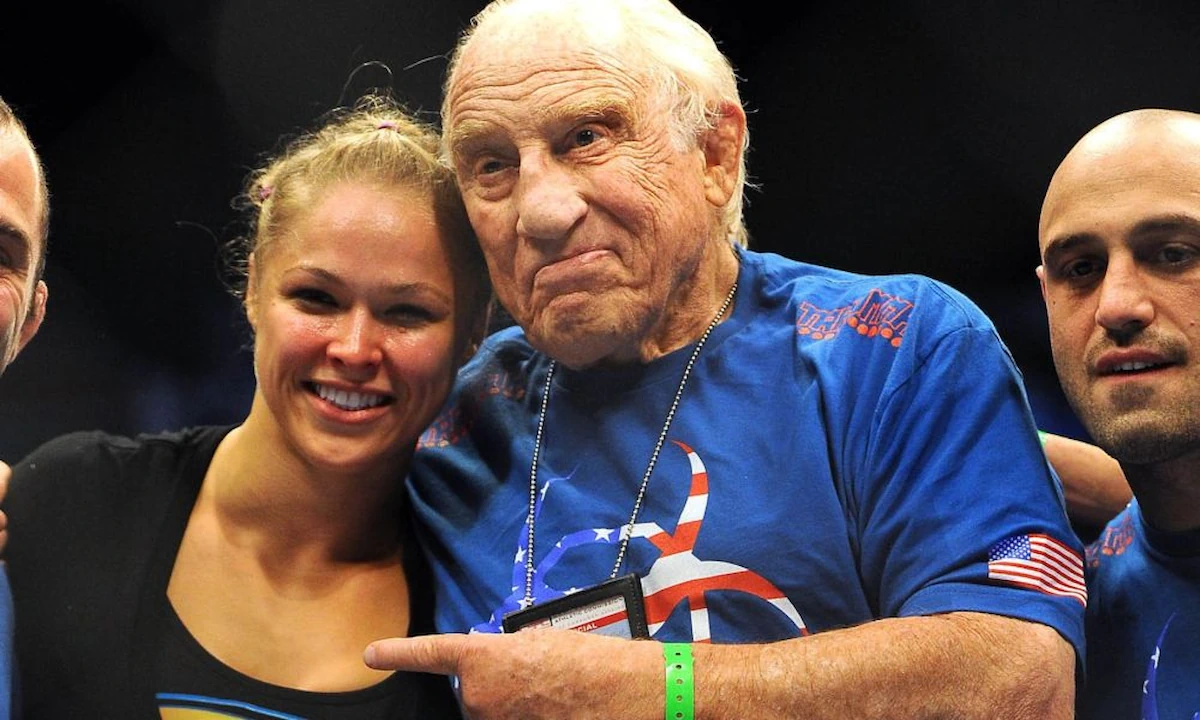
- Ronda Rousey — Called LeBell “Uncle Gene.” He was in her corner throughout her UFC career and knew her since birth (he first trained her mother, Olympic judoka AnnMaria De Mars).
- Chuck Norris — Trained with LeBell and credited him with improving his grappling for film work.
- “Rowdy” Roddy Piper — The WWE Hall of Famer trained under LeBell and considered him a mentor.
- Manny Gamburyan — UFC and WEC veteran who trained at Hayastan.
- Karo Parisyan — The judo-based UFC fighter was a product of the LeBell/Gokor system.
His relationship with Ronda Rousey was particularly special. In her autobiography My Fight / Your Fight, Rousey wrote that LeBell was “the only person allowed to hit me” during training. His mental toughness training — which included slapping her during grappling exchanges — helped forge the iron will that made her a UFC champion.
1,000 Credits: Gene LeBell’s Hollywood Legacy
With over 1,000 film and television credits, Gene LeBell’s Hollywood career rivals his martial arts achievements. He worked as a stuntman, stunt coordinator, and actor for over six decades in the entertainment industry.
Notable Film and TV Work
- The Green Hornet (1966-67) — Where he met Bruce Lee
- Escape from New York (1981) — Stunt coordinator
- Out for Justice (1991) — Stunt coordinator (and the Seagal incident)
- Ed Wood (1994) — Worked with Tim Burton
- Batman & Robin (1997) — Stunt work
- Rush Hour (1998) — One of his most widely recognized on-screen credits
- Spider-Man (2002) — Stunt coordinator
- Men in Black II (2002) — Stunt work
LeBell was inducted into the Stuntmen’s Hall of Fame and received lifetime achievement awards from multiple stunt organizations. His ability to make movie fights look real — while keeping actors safe — made him one of the most respected professionals in the industry.
Why Gene LeBell Matters to Combat Sports History
Gene LeBell’s importance transcends any single achievement. He was the living link between eras, disciplines, and worlds that rarely intersect:
- Traditional Martial Arts → Modern MMA: His 1963 fight proved grappling’s effectiveness 30 years before the Gracies arrived.
- Catch Wrestling → Brazilian Jiu-Jitsu: He connected the old-school American grappling tradition with modern submission arts.
- Pro Wrestling → Legitimate Combat: As both a shooter and an entertainer, he understood both worlds.
- Hollywood → Real Fighting: He made movie martial arts more realistic while keeping performers safe.
From a Ringside Report perspective, no single person better embodies the interconnected history of fighting. Understanding Gene LeBell is understanding how Judo, catch wrestling, pro wrestling, and MMA evolved together into the sports we love today.
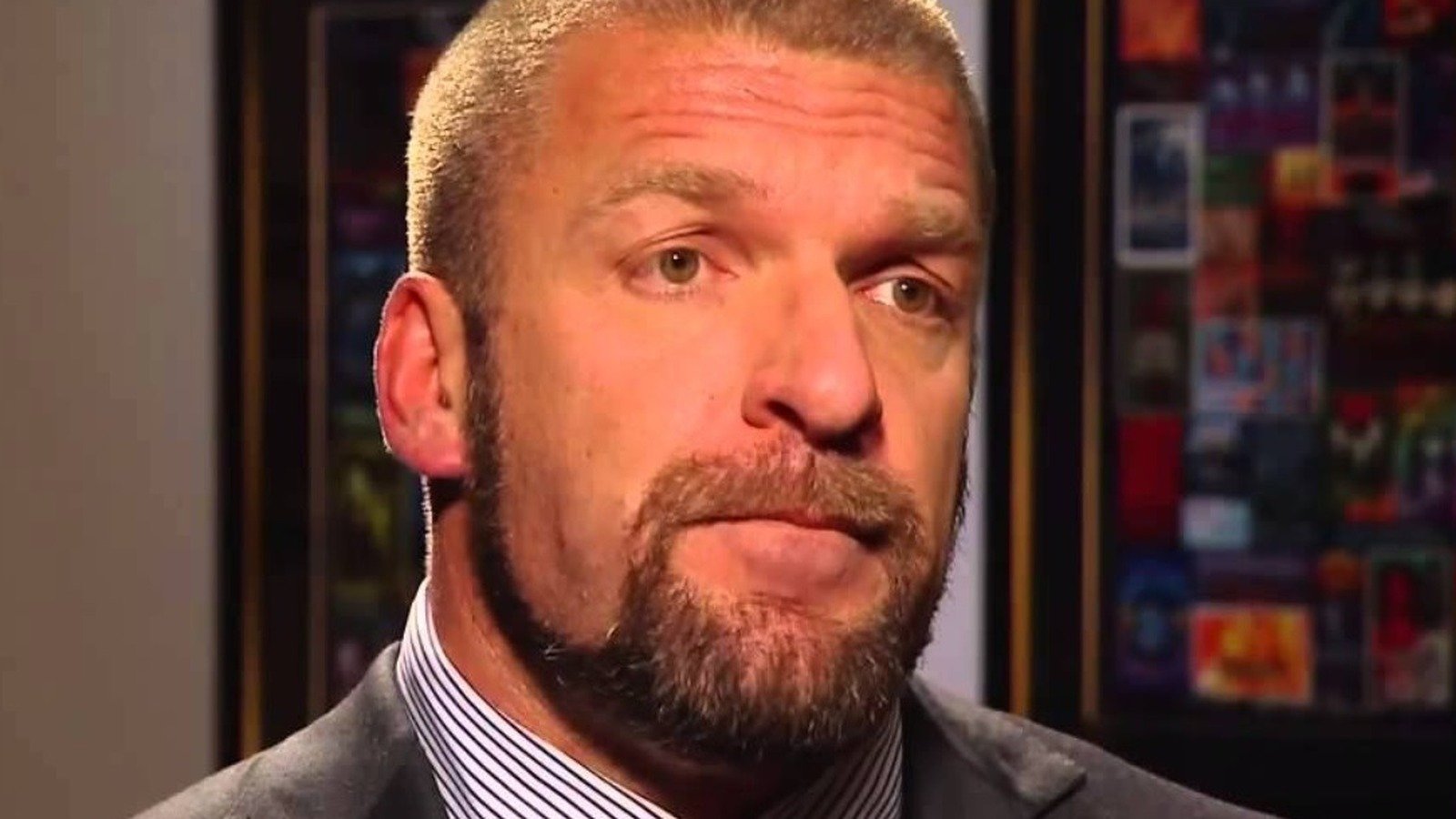
Remembering “Judo” Gene (1932-2022)
Gene LeBell died peacefully in his sleep on August 9, 2022, leaving a void that can never be filled. The outpouring of love was instant. Tributes flooded in from Triple H, the WWE, Joe Rogan, The Iron Sheik, and his beloved student Ronda Rousey.
“Gene LeBell remained a towering figure in the history and expansion of mixed martial arts and sports entertainment. A teacher to many of the sport’s greats, his influence is felt throughout WWE to this day.”
— Triple H, on LeBell’s passing
While Judo Gene LeBell’s death marked the end of an era, his spirit remains on the mats of the Hayastan MMA Academy and in the technique of every grappler who knows that technique beats strength. He was the toughest man alive — a title he didn’t give himself, but one he earned every single day of his life.
Rest in power, Uncle Gene.
Frequently Asked Questions
Who was Gene LeBell?
Gene LeBell (October 9, 1932 – August 9, 2022) was an American martial artist, professional wrestler, and Hollywood stuntman known as “The Godfather of Grappling.” He won two AAU National Judo Championships (1954, 1955), competed in what many consider the first televised MMA fight in America in 1963, trained legends like Bruce Lee and Ronda Rousey, and worked on over 1,000 films and TV shows. He held a 10th degree red belt in Judo and a 9th degree black belt in Jiu-Jitsu.
Did Gene LeBell train Bruce Lee?
Yes. Gene LeBell met Bruce Lee on the set of The Green Hornet (1966-67) and taught him grappling techniques, particularly armbars and chokes. In exchange, Lee taught LeBell striking concepts from Jeet Kune Do. Their friendship and training relationship directly inspired Brad Pitt’s character Cliff Booth in Quentin Tarantino’s Once Upon a Time in Hollywood.
Did Gene LeBell choke out Steven Seagal?
According to multiple witnesses, including stuntman Steven Lambert, a confrontation occurred on the set of Out for Justice (1991) where Seagal allegedly claimed he couldn’t be choked out due to his Aikido training. LeBell reportedly demonstrated otherwise. The persistent rumor is that Seagal lost consciousness and suffered an embarrassing bodily function. Seagal has denied the incident, while LeBell remained coy about it until his death, typically responding with a smile and saying, “Steven Seagal is a great martial artist.”
Why did Gene LeBell wear a pink gi?
While preparing for a judo tournament in Japan, LeBell accidentally washed his white gi with a pair of red shorts. The uniform turned pink, but with no money for a replacement, he wore it anyway. The Japanese crowd initially booed him, viewing it as disrespectful. But after winning his division, the pink gi became his trademark symbol of rebellious skill. He wore it for the rest of his life.
What is the LeBell Lock in wrestling?
The LeBell Lock is an omoplata crossface submission hold named after Gene LeBell. WWE wrestler Daniel Bryan (Bryan Danielson) adopted it as his signature finishing move and named it in tribute to the legendary grappler, who had trained many professional wrestlers throughout his career, including “Rowdy” Roddy Piper.
What was Gene LeBell’s relationship with Ronda Rousey?
Gene LeBell served as Ronda Rousey’s mentor and was a fixture in her corner during her UFC career. Rousey called him “Uncle Gene” and credited him with her mental toughness. In her autobiography My Fight / Your Fight, she wrote that he was “the only person allowed to hit me.” LeBell had known Rousey since birth, having first trained her mother, Olympic judoka AnnMaria De Mars.
When did Gene LeBell die?
Gene LeBell died peacefully in his sleep on August 9, 2022, at the age of 89. Tributes poured in from across the combat sports and entertainment world, including from Triple H/WWE, Joe Rogan, Chuck Norris, The Iron Sheik, and his beloved student Ronda Rousey.
What rank was Gene LeBell in judo?
Gene LeBell held a 10th degree red belt in Judo, one of the highest ranks achievable in the martial art. He also held a 9th-degree black belt in Jiu-Jitsu. He won the AAU National Judo Championships in both 1954 and 1955, capturing the heavyweight and overall titles, and trained at the prestigious Kodokan in Japan.