
Let’s just be honest with each other: we all hated that Anthony Joshua fought Jake Paul. I hated it, you hated it, and half the Ringside Report comment section threatened to stop watching boxing because of it. But here’s the reality—AJ did precisely what he was supposed to do earlier this month. He didn’t just beat the YouTuber; he dismantled the entire “influencer boxing” myth in three rounds.
And you know what? That ugly spectacle might have been the best thing to happen to British boxing in a decade.
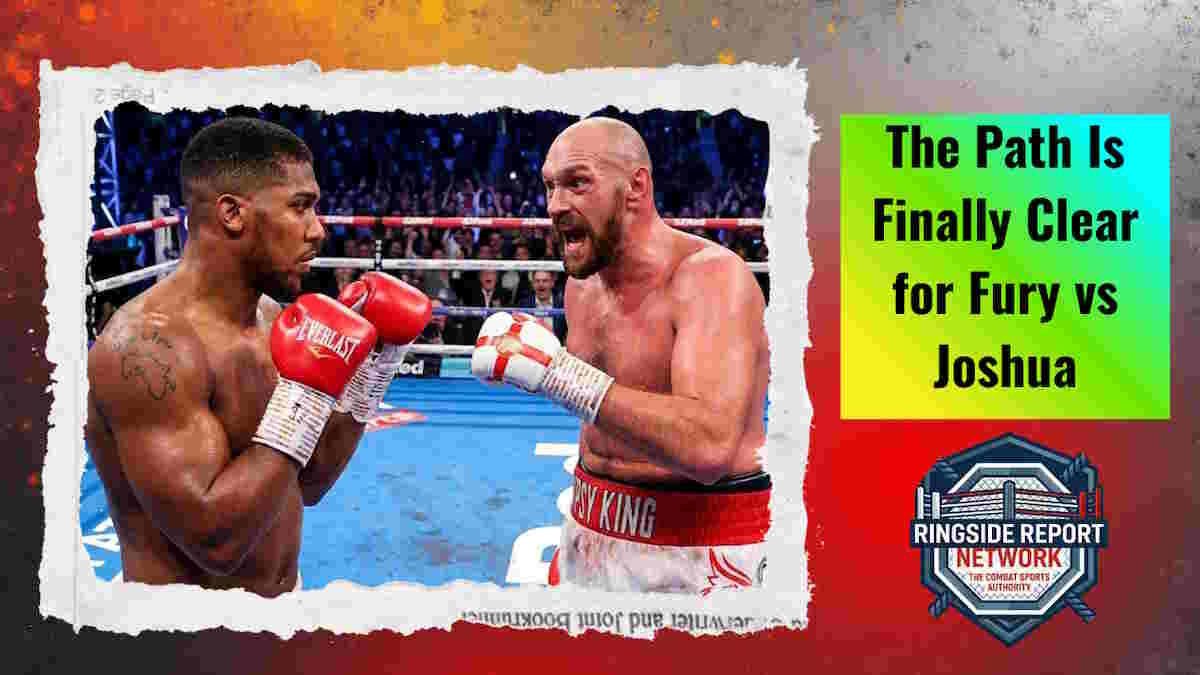
Why? Because it cleared the deck. There are no more distractions. There are no more “tune-ups.” Joshua has his confidence back (and a massive paycheck), and the only question left on the exam sheet is the one we’ve been trying to answer since 2017. Tyson Fury versus Anthony Joshua isn’t just a dream anymore—it’s the only move left on the board. And if Frank Warren’s timeline holds, 2026 is when it finally happens.
Why Everyone’s Talking About 2026 Like It’s Different
The obvious take is simple: both fighters are running out of viable opponents and time. Fury’s 37, Joshua’s 35, and the heavyweight division doesn’t have the depth it did five years ago. Oleksandr Usyk has essentially cleaned out the division, Deontay Wilder’s been exposed, and Daniel Dubois — while impressive — doesn’t move the needle internationally as Fury-Joshua would. This is the classic “now or never” scenario boxing fans have heard a thousand times.
But there’s actual substance behind the 2026 timeline. Both fighters have contractual obligations to clear up. Fury’s Queensberry-promotion relationship with Frank Warren is stable, and Joshua’s partnership with Eddie Hearn and Matchroom has matured to the point where they’re prioritizing legacy over padding records. The Saudi Arabia money hasn’t dried up — if anything, Turki Alalshikh has proven he’ll write massive checks to make statement fights happen. We saw it with Fury-Usyk, we’re seeing it across multiple cards. The financial infrastructure is in place in a way it wasn’t during previous negotiation failures.
The Psychology Has Shifted
Here’s what people aren’t talking about enough: both fighters have absorbed losses now. Fury lost to Usyk twice. Joshua has been stopped by Ruiz, outpointed by Usyk twice, and knocked out by Dubois. There’s no undefeated mystique to protect anymore. That changes negotiation dynamics dramatically. When both fighters were unbeaten or had minimal losses, every negotiation became a chess match of ego protection. Who gets top billing, whose name comes first, and who gets split percentages down to decimal points.
Now? Brother, they both know they’re not retiring undefeated legends. The fight becomes about money and legacy redemption rather than protecting mythical “0” records. That’s actually liberating for negotiations.
Let’s Be Honest About What’s Still in the Way
But come on, we can’t pretend the roadblocks have magically disappeared. The promotional situation remains complicated. Warren and Hearn have a functional working relationship now — we’ve seen cooperative cards — but this is the biggest British boxing payday in history. The revenue split negotiations will be brutal. Who gets pay-per-view points in the UK versus the Middle East versus the US broadcast rights? These details have killed the fight before.
The Rematch Clause Problem Nobody Mentions
Here’s a complicating factor that doesn’t get enough attention: whoever loses will demand a rematch clause. That’s standard for fights of this magnitude. But what if the first fight is a decisive knockout? What if it’s a Fury masterclass where Joshua looks completely outclassed, or vice versa? The losing side’s team will still want that rematch payday, but the public appetite might not be there. This creates a negotiation stalemate before the first fight even happens — both sides positioning for maximum leverage in a potential rematch scenario.
And let’s talk about the elephant in the room: both fighters have shown vulnerability to taking “easier” fights for guaranteed money. Fury fought Francis Ngannou in a boxing match. Joshua has faced lower-risk opponents since his losses to Usyk. He walked away in January because he felt he had nothing left to prove, and maybe he was tired of the grind. But let’s not forget—his last few fights have been anything but dominant. The controversial split-decision against Francis Ngannou showed cracks that didn’t exist in his prime. The financial incentive to keep milking their names against lesser opposition still exists. Why risk everything in a fight where one guy gets exposed when you can make eight figures fighting a Derek Chisora type?
History Says This Fight Has Already Died Three Times
We’ve been through this cycle before, and the pattern is depressingly familiar. In 2021, we had a fully signed deal for August in Saudi Arabia — then Wilder’s arbitration case blew it up, forcing Fury into the trilogy. In 2022-2023, negotiations collapsed over split percentages and broadcasting rights. Each time, the excuses were different, but the result was identical: no fight.
What do you expect when you have two massive promotional companies, multiple broadcast partners with conflicting interests, and fighters whose egos require careful management? The UFC model, whatever its flaws, doesn’t have this problem. Dana White makes the fight, fighters comply, or get stripped. Boxing’s promotional fragmentation has led to more super-fights being canceled than any other factor in the sport’s modern history.
As we’ve been covering at Ringside Report, the sport’s inability to make obvious mega-fights happen isn’t new — it’s the defining characteristic of modern boxing’s biggest weakness compared to MMA. Mayweather-Pacquiao took six years too long. We never got Joshua-Wilder when it mattered most. The sport has a terminal illness when it comes to making fights fans actually want to see.
My Bold Prediction: It Happens, But Not How You Think
The Saudi Arabia Factor Changes Everything
Here’s where I’m going to commit to something specific: Fury versus Joshua will take place in September or October 2026 in Riyadh, Saudi Arabia. Not London, not Las Vegas — Saudi Arabia. And here’s why I’m confident about that location specifically.
Turki Alalshikh has demonstrated he’ll pay whatever it takes to make statement boxing events happen. He’s not bound by traditional pay-per-view revenue models or broadcast rights negotiations that have killed this fight before. He can offer both fighters guaranteed purses that dwarf anything they’d make through traditional promotional structures. We’re talking a minimum of $100 million per fighter, possibly more.
That kind of guaranteed money eliminates the percentage-split arguments that have torpedoed previous negotiations. Both sides get massive, face-saving paydays regardless of who’s technically the “A-side.” The Saudis don’t care about UK broadcast rights politics or whether Sky Sports or DAZN gets preferential treatment. They’ll pay everyone off and make it happen.
Where This Could Go Wrong
But here’s my self-aware moment: I could be completely wrong about the timeline. If either fighter takes a bad loss in early 2026, the whole thing collapses. If Fury fights Dubois or Parker and looks shot, Joshua’s team will pivot to easier options. If Joshua gets stopped again by anyone, Fury’s team will claim the fight “lost its luster” and move on. One bad performance from either guy kills the commercial viability.
There’s also the reality that both fighters are at an age when a sudden decline can happen. Fury’s weight fluctuations and lifestyle between camps are well-documented. Joshua’s been knocked out cold twice. Father Time is undefeated, and heavyweight boxing is unforgiving when reflexes slow even slightly.
What Happens Next: The Timeline That Actually Makes Sense
If this fight happens, here’s how it unfolds: Both fighters take one more fight in early-to-mid 2026 — probably March or April. Tune-up opponents, stay active, generate some pay-per-view revenue. Assuming both win (big assumption), serious negotiations begin in May. Saudi Arabia makes an offer that both sides can’t refuse by June. The fight gets announced for September or October with a massive promotional campaign.
The alternative scenario? One or both fighters lose their 2026 tune-up; negotiations stall again over a contractual detail; and we’re having the same conversation in 2027 about why Fury-Joshua still hasn’t happened. That’s the thing about boxing — the sport has conditioned us to expect disappointment when it comes to super-fights.
But for the first time in years, I’m cautiously optimistic. The pieces are closer to alignment than they’ve ever been. Both fighters need this fight more than the fight needs them at this point. The money’s there. The venue’s ready. The only question is whether boxing can get out of its own way long enough to make it happen.
I’m saying 60-40 it happens in 2026. Which, for this cursed matchup, might be the most optimistic odds we’ve ever had.