
When Boxing’s Elite Start Warning About Safety
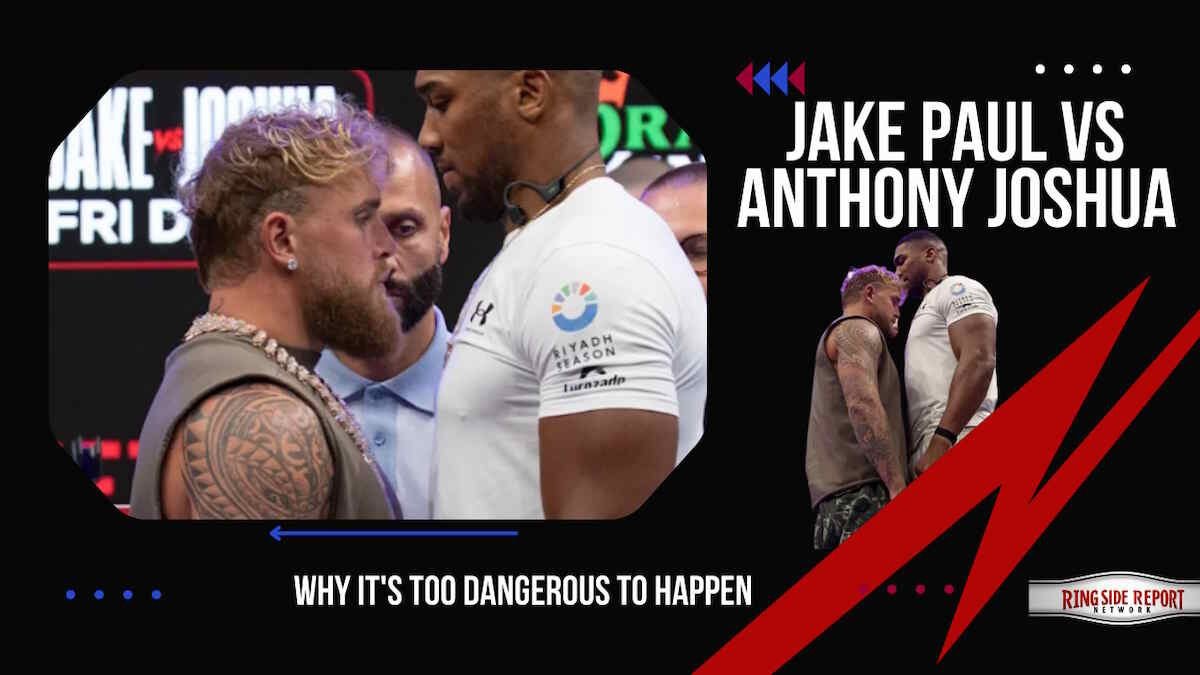
The boxing world isn’t just skeptical about Jake Paul versus Anthony Joshua — they’re genuinely concerned about what they might witness. When legends like Roy Jones Jr. and Bernard Hopkins start using words like “dangerous,” “bloodbath,” and “potentially catastrophic,” that’s not promotional hype. That’s experienced fighters recognizing the difference between entertainment and potential tragedy.
Here’s what matters: the Jake Paul Anthony Joshua fight that’s being discussed isn’t about whether Paul has improved or shown dedication. The concern from boxing insiders is about the fundamental physics of what happens when someone with four years of boxing experience steps in with a former unified heavyweight champion who’s spent his career perfecting controlled violence.
Roy Jones Jr. didn’t mince words when he called this fight “potentially catastrophic” for Paul. Coming from someone who fought at the highest level for two decades, that assessment carries weight. Jones understands what happens when someone steps up multiple levels simultaneously — and it rarely ends well for the ambitious party.
The Gap Between YouTube Fame and Championship Violence
The Experience Disparity That Numbers Can’t Capture
The gap between Jake Paul and Anthony Joshua isn’t just about skill levels — it’s about decades of accumulated damage absorption, punch resistance, and the kind of ring intelligence that only comes from surviving elite competition. Paul has faced aging former MMA fighters and fellow YouTubers. Joshua has been in wars with Wladimir Klitschko, Andy Ruiz Jr., and Francis Ngannou.
Anthony Joshua has 28 professional fights, including championship-level wars that tested every aspect of his abilities. Jake Paul has faced exactly one legitimate professional boxer in Tommy Fury — and lost a decision. As we’ve documented at Ringside Report throughout Paul’s boxing journey, the gap in experience isn’t just numerical; it’s experiential. Joshua has been hurt badly and recovered. He’s felt the desperation of championship rounds. He’s adapted mid-fight against world-class opposition.
The Physical Reality That Can’t Be Trained Away
What’s often overlooked in these discussions is the sheer physical reality. Joshua cuts down from around 260 pounds and carries legitimate heavyweight power that’s been tested against the world’s best. Paul, even at his heaviest, is a blown-up cruiserweight facing someone who’s been knocking out legitimate heavyweights for years.
Bernard Hopkins, never one to sugarcoat reality, pointed out something crucial: “Experience isn’t just about technique — it’s about knowing how to hurt someone and recognizing when you’re being hurt.” That’s the difference between someone learning boxing fundamentals and someone who’s lived through championship-level violence.
Joshua’s jab alone has ended professional careers. His body work has dropped former champions. When legends talk about this being dangerous, they’re referencing the accumulated damage that comes from facing someone who can hurt you in ways you’ve never experienced.
Why Boxing Legends Are Actually Speaking Out
This Isn’t About Gatekeeping
The reality is that several respected voices in boxing have expressed serious reservations about this matchup. Former champions and trainers aren’t questioning Paul’s dedication or improvement — they’re questioning whether any amount of dedication can bridge the gap between influencer boxing and facing a former unified heavyweight champion who’s spent his career dismantling professional fighters.
When boxing insiders use terms like “bloodbath,” they’re not being dramatic for clicks. They’re drawing on decades of experience watching mismatches unfold in real time. The concern isn’t about Paul’s heart or work ethic — it’s about safety and sporting integrity.
The Institutional Failure This Exposes
This deserves attention because it reveals something more profound about boxing’s current state. The fact that this fight is even being discussed seriously shows how far the sport has drifted from its traditional gatekeeping mechanisms. In previous eras, you earned your way to big names through a brutal apprenticeship against increasingly difficult opposition.
Paul has bypassed that system entirely, and while his business acumen is undeniable, the boxing establishment is now grappling with what happens when market forces override sporting logic. The same sanctioning bodies that rubber-stamp questionable title fights are the ones that would have to oversee Paul versus Joshua. That’s the institutional failure boxing insiders are really criticizing when they speak out against this potential matchup.
When a sport’s governing bodies and promotional machinery create pathways for massive skill gaps to be monetized, it damages the entire ecosystem. The legends speaking out aren’t just protecting Paul — they’re protecting the integrity of a sport where reputation and safety have always been intertwined.
Historical Precedent Shows This Never Ends Well
The Cautionary Tales Boxing Veterans Remember
Boxing history is littered with cautionary tales of fighters stepping up too quickly. Remember when James Toney, a legitimate champion, got overwhelmed entirely by Randy Coutte in MMA? That was a master boxer in an unfamiliar environment. This would be an amateur-level boxer facing a former unified heavyweight champion in boxing’s own backyard.
We’ve seen this pattern before, though not quite at this level. When James Toney moved up to heavyweight to face Samuel Peter, experienced observers knew the size and power differential would be problematic. When Roy Jones Jr. stayed at heavyweight too long, the writing was on the wall. The difference here is that those were elite fighters facing new challenges within their sport — not someone stepping up multiple levels of professional experience simultaneously.
What Makes This Different From Past Paul Fights
What makes veterans nervous is that Paul’s team has shown they’re willing to take increasingly dangerous fights for the right price. As we’ve covered at Ringside Report, the progression from Ben Askren to Tommy Fury to Mike Tyson shows ambition. Still, Joshua represents a quantum leap that concerns people who understand the sport’s realities.
Paul’s business model has consistently surprised critics by securing legitimate fights when everyone expected exhibitions. They’ve shown they’re willing to take real risks for real rewards. But there’s a difference between calculated risks and stepping into a situation where decades of boxing wisdom suggests serious danger..
My Bold Prediction: This Fight Happens — And It’s Exactly as Ugly as Predicted
The Business Logic That Overrides Everything
Here’s my controversial take, and I’m going on record with this: this fight gets made within 18 months, and it goes exactly as badly as the legends predict. The numbers are too big for both sides to ignore. Paul needs a massive name to maintain relevance, and Joshua needs a massive payday after recent setbacks.
The fight takes place at a catchweight of around 220 pounds, which helps Paul marginally but doesn’t eliminate the fundamental problem — he’s still facing someone with legitimate heavyweight power and championship-level experience. Joshua stops him inside six rounds, probably in brutal fashion that makes everyone involved question how it was sanctioned.
The Modifications That Might Save It
I’ll admit where this analysis might fail: if Paul’s team negotiates enough restrictions to change what we’re watching fundamentally. Shorter rounds, heavier gloves, specific referee instructions — the kind of modifications that turn a boxing match into something else entirely.
If this fight gets made, it might not be a traditional boxing match. The pressure from boxing’s establishment, combined with legitimate safety concerns, could force modifications. We might see either a heavily modified ruleset, exhibition parameters, or Joshua significantly scaling back his power and aggression.
But even with modifications, the physical disparity remains dangerous. And a heavily restricted fight might damage Paul’s credibility more than a competitive loss would.
Where I Could Be Completely Wrong
The other variable I can’t predict is Paul’s ceiling. He’s shown improvement, but we don’t know his actual limits because he hasn’t faced anyone capable of testing them. Maybe there’s a level of natural ability that hasn’t been revealed yet. But betting against decades of boxing wisdom seems foolish.
The reality is that Paul’s team has consistently defied expectations. If they push for a standard professional bout, Joshua might feel obligated to treat it as such — and that’s where the “bloodbath” predictions become genuinely concerning.
What This Means for Boxing’s Future
The Crossroads Boxing Can’t Ignore
This deserves attention because it represents a crossroads for boxing’s future. Either the sport’s institutions find ways to maintain competitive integrity while embracing new audiences, or they continue down a path where entertainment value completely overrides sporting merit.
The boxing community’s response to this potential matchup will likely shape how these crossover fights develop from now on. If the criticism becomes too intense, it might force a return to more traditional progression paths for celebrity boxers. Alternatively, if the financial incentives remain overwhelming, we might see more legends speaking out as the sport grapples with its identity.
Why the Legends Aren’t Wrong to Be Concerned
The legends speaking out aren’t trying to kill Paul’s career — they’re trying to preserve what’s left of boxing’s credibility. When Roy Jones Jr. and Bernard Hopkins agree on something, the sport should listen. Their concerns aren’t about protecting an old guard; they’re about preventing a spectacle that could set dangerous precedents for future generations.
The question isn’t whetherJake Paul deserves respect for his dedication to boxing — he does. The question is whether dedication alone can overcome the experience gap that has historically led to the very scenarios these boxing legends are warning us about.
The tragedy would be if boxing learns the wrong lessons from whatever happens next. The sport needs new stars and fresh money, but not at the cost of its fundamental safety standards and competitive integrity. What’s certain is that the conversation itself reveals boxing’s ongoing struggle between entertainment value and sporting integrity — and right now, entertainment is winning.