Fight IQ: Pro Wrestling Glossary
A spot in wrestling is a pre-planned maneuver or sequence designed to create a specific dramatic moment: the building blocks that give a match its shape, its highlights, and its memorable peaks.
This guide covers what a spot actually is, the main categories of spots, how performers communicate to execute them safely, how they’ve evolved through wrestling history, and their role in match psychology and audience engagement.
In This Guide
What Is a Spot in Wrestling?
A spot in wrestling is a pre-planned maneuver, exchange, or sequence that performers have agreed to execute at a specific point in a match. The word comes from variety entertainment, where a “spot” meant a planned moment in a performer’s act. In professional wrestling, spots function as the structural highlights of a match: the moments that generate crowd reactions, advance the narrative, and give the audience something memorable to take away from the contest.
Not every move in a match is a spot. Wrestlers improvise constantly within the broader framework they have planned, adjusting to crowd reactions, physical conditions, and the natural rhythm of the contest. A spot is specifically a moment where both performers have a clear, agreed-upon plan: this move, at this position, leading into this sequence. The worked nature of professional wrestling means that spots can be rehearsed and refined in ways that legitimate competition never allows, which is why the best wrestling moments often look so precisely cinematic despite taking place in real time in front of a live crowd.
The term also generates two related concepts that wrestling audiences will encounter: a spotfest, which describes a match that consists primarily of spectacular spots without the narrative structure to connect them meaningfully, and a spot monkey, a mildly dismissive term for a performer who relies heavily on impressive spots without demonstrating the broader ring psychology that makes those spots matter. Understanding what a spot is, and what distinguishes good spot usage from poor spot usage, is central to appreciating what separates a great professional wrestling match from a merely athletic one.
Understanding the Foundation of Spot Moves
Spot moves represent the choreographed high-impact sequences that define professional wrestling’s dramatic spectacle. These planned maneuvers range from high-flying aerial attacks to powerful throws and technical submissions, each requiring extensive training and precise coordination between performers.
The foundation of effective spot execution is positioning: both performers understanding exactly where they need to be relative to each other for a move to work safely and look convincing. A superplex from the top rope requires the person being lifted to be in a specific position; a hurricanrana requires the person being taken over to jump at the right moment; a powerbomb requires the person being thrown to know how to land to protect themselves. The receiving performer is often doing as much technical work as the performer executing the move.
Timing is the second foundational element. Spots that land a fraction of a second off, a clothesline where the recipient ducks too early, a dive where the catcher isn’t fully in position, can look unconvincing or become genuinely dangerous. Professional wrestlers develop an acute sense of timing through thousands of repetitions, building the muscle memory that allows them to execute complex sequences reliably under the pressure of live performance.
Weight distribution and momentum management complete the foundation. Many of wrestling’s most spectacular spots involve redirecting the momentum of a running or falling body, meaning both performers must understand physics well enough to use it rather than fight it. Effective wrestlers use their opponent’s momentum during reversals to smoothly transition from defensive to offensive positions, and this same principle applies to virtually every significant spot in a match.
Categories and Variations of Wrestling Spots
Five distinct categories encompass the vast majority of wrestling spots, each serving specific strategic and entertainment purposes within match structures.
High-flying and aerial spots deliver spectacular visual impact through moves like moonsaults, 450 splashes, and shooting star presses performed from elevated positions: the top rope, the apron, or sometimes the top of a ladder or cage. These maneuvers require precise spatial awareness and timing to execute safely while maximizing the crowd’s reaction, and they carry the highest inherent risk of any spot category.
Striking spots utilize hands, feet, and body positioning to create dynamic exchanges. From basic clotheslines to specialized spinning kicks and enziguris, these moves anchor wrestler personas and provide vital pacing elements throughout a match. Striking spots are often the most frequently used category because they can be executed at relatively lower risk while still generating strong crowd reactions.
Grappling and submission spots showcase technical proficiency through complex hold sequences and transitions. Many wrestlers develop a signature finishing submission that becomes their trademark method for securing victories, and the build toward that finish, the sequence of holds that sets it up, is itself a carefully designed spot.
Throwing and slam spots emphasize power through suplexes, powerbombs, and slams. These spots often serve as the dramatic centerpieces of a match, establishing one performer’s physical dominance over another and requiring significant trust between both parties.
Sequence and combination spots chain multiple moves together into extended exchanges, often building toward a climactic payoff that the audience has been conditioned to anticipate. These are the most complex to execute and the most rewarding when they land: the long sequences of reversals and near-finishes that characterize the closing stretches of main event matches.
Communication and Coordination Between Performers
The successful execution of wrestling spots depends entirely on seamless communication between performers who must coordinate complex sequences while maintaining the illusion of spontaneous combat.
Wrestlers employ sophisticated nonverbal techniques, subtle hand squeezes, facial expressions, and strategic body positioning, to signal timing changes without the audience noticing. Verbal communication relies on whispered phrases during holds, timed to coincide with crowd noise for concealment. Anyone who has watched ringside footage with clear audio has heard wrestlers quietly calling spots to each other throughout a match.
Pre-match planning involves establishing detailed spot placements, outlining the match’s structural arc, and agreeing on emergency protocols for when things go wrong. The more experienced performer typically leads spot-calling duties, making real-time decisions about pacing and sequence. Trust forms the foundation of effective coordination: wrestlers must have complete confidence that their partner will execute cues properly without hesitation, because hesitation in executing a physical spot can turn a controlled situation into a genuinely dangerous one.
Real-time adaptation proves vital when crowd reactions shift or unexpected situations arise. Performers continuously assess their opponent’s readiness while making split-second adjustments to maintain narrative coherence and guarantee safety throughout complex sequences. A spot that works brilliantly when the crowd is fully engaged might need to be cut or modified if the audience has been lost; experienced performers make these decisions in real time without the match appearing to stall or stumble.
Safety Protocols and Risk Assessment
Professional wrestling’s elaborate choreography can become genuinely dangerous without rigorous safety protocols governing every aspect of spot execution.
Comprehensive risk assessment begins before wrestlers enter the ring. Mat inspections guarantee surface conditions while border mats prevent dangerous falls outside the ring. Athletes must disclose any health conditions and relevant injuries before participating: a performer working with a compromised shoulder or knee needs their partner to know, so spots can be adjusted accordingly.
Physical preparation is equally critical. Mandatory warm-ups reduce the risk of muscle strain, while tailored conditioning programs prepare performers for demanding maneuvers. High-risk techniques, shooting star presses, moonsaults from height, power moves involving dangerous landing positions, require specialized practice under experienced supervision before being used in front of a live crowd.
Move authorization in larger promotions requires explicit approval for high-risk techniques, with staff supervision during practice and immediate medical resources available ringside. WWE’s ban on piledrivers and unprotected chair shots to the head, implemented following high-profile injuries, represents the most visible example of a promotion adjusting its permitted spot library based on accumulated safety data. Wrestlers who fail to follow safety protocols may face booking consequences reflecting management’s reduced confidence in their reliability as performers.
Evolution and Innovation Throughout Wrestling History
While ancient grappling techniques formed the foundation of wrestling, the art of orchestrated combat has undergone radical evolution through decades of creative development.
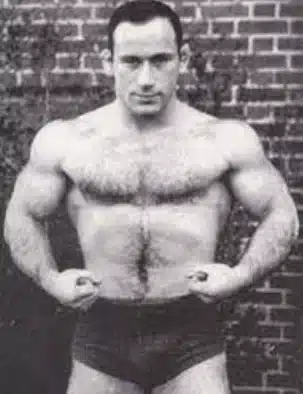
The 1930s marked a pivotal shift when Abe Coleman pioneered the dropkick, drawing inspiration from martial arts movement to create wrestling’s first dedicated aerial spot. Wild Bill Longson simultaneously revolutionized power-based combat with the piledriver, establishing head-dropping maneuvers as devastating finishers, a tradition that continued until the move’s increasing danger led to widespread bans decades later.
Traditional catch wrestling and Greco-Roman styles provided the structural framework, but the shift from legitimate contests to scripted spectacles in professional wrestling unleashed unprecedented innovation. When the outcome is predetermined, spots can be designed for maximum dramatic impact rather than maximum competitive effectiveness, which opened the door to increasingly spectacular aerial and acrobatic sequences that legitimate competition could never accommodate.
Antonino Rocca’s hurricanrana and flying body press in the 1940s transformed match pacing from slow grappling exchanges to dynamic aerial displays. Modern wrestlers continuously upgrade classic techniques, incorporating global influences from Japanese puroresu and Mexican lucha libre to create increasingly athletic variations that push physical boundaries. The independent circuit became a crucial testing ground for aerial innovations, with performers developing groundbreaking moves, springboard sequences, advanced moonsault variations, and intricate combination spots, that were later adopted by larger promotions after proving their crowd reaction value.
Impact on Match Psychology and Audience Engagement
Beyond technical innovation, the strategic deployment of spot moves fundamentally shapes how matches communicate with audiences and manipulate emotional responses.
These carefully planned sequences serve as narrative focal points, creating tension peaks and release valleys that mirror traditional storytelling structures. When wrestlers execute signature spots, they trigger immediate crowd reactions: gasps during high-risk maneuvers, thunderous cheers for comebacks, visceral boos for heel tactics. This emotional choreography builds psychological investment, transforming spectators from passive observers into active participants who are genuinely uncertain about what will happen next.
Timing proves vital. Well-placed spots generate memorable climaxes and viral moments, while poorly executed or repetitive sequences risk disengaging the audience. A match where every spot lands with equal intensity teaches the crowd nothing about stakes or hierarchy: the best spot usage creates peaks and valleys, with the final sequence landing harder because the audience has been conditioned by everything that preceded it.
The anticipation itself becomes part of the experience, as fans develop familiarity with signature sequences and feel the tension of waiting for the moment they know is coming. Each performer’s unique character traits and persona influence how audiences interpret and respond to these planned sequences: the same move landing differently depending on whether a face or a heel executes it, and whether the context has been properly set up through selling and storytelling.

Training and Development for Spot Execution
Mastering spot moves demands far more than natural athleticism or ring presence; it requires systematic training protocols that transform raw talent into precision performers capable of executing complex sequences under intense pressure.
Wrestlers endure rigorous weekly schedules combining strength training, cardiovascular conditioning, and technical drilling. Compound exercises like squats and deadlifts build foundational power, while agility drills enhance ring mobility and spatial awareness. The physical demands of executing and receiving spot moves consistently over a career, particularly the cumulative impact of bump-taking, require wrestlers to maintain conditioning that goes beyond what most athletes sustain.
Technical mastery emerges through repetitive drilling of core moves, breaking complex maneuvers into incremental steps. High-risk techniques, shooting star presses, top-rope hurricanranas, dangerous landing spots, require specialized practice under experienced supervision until execution becomes reliable enough to perform safely in front of a live audience. Precise positioning varies by technique, and small errors in position compound rapidly in high-velocity areas.
Communication drills guarantee seamless partner coordination through practiced timing and non-verbal cues. Regular sparring sessions apply technical training in realistic match scenarios to refine execution timing. Mental preparation proves equally vital: visualization exercises and scenario planning prepare wrestlers for unexpected adjustments, and stress management techniques help maintain focus during live performance, where split-second decisions determine both success and safety.
Production Integration and Camera Coordination
Behind every spectacular wrestling spot lies a complex web of camera operators, directors, and technical crews working in precise synchronization to capture each high-impact moment. Major promotions orchestrate elaborate pre-production meetings where camera cues align with choreographed sequences, guaranteeing operators know exactly when signature moves will unfold and from which angle they should be captured.
Multiple cameras operate simultaneously: hard cameras provide stable anchor shots while roaming units track unpredictable action. Directors issue rapid-fire commands through communication systems, switching between wide shots and close-ups as spots develop. This careful coordination maintains the foundational illusion that viewers are witnessing genuine, spontaneous competition rather than choreographed entertainment.
Technical settings include fast shutter speeds to freeze high-velocity movement, while autofocus tracking maintains clarity through chaotic sequences. When wrestlers deviate from scripts, production teams adapt instantly. Redundant coverage eliminates blind spots, and backup angles ensure critical moments are not missed, seamlessly integrating visual storytelling with athletic performance in ways that make the final broadcast product look considerably more polished than the complex, improvised collaboration it actually represents.
Level Up Your Fight IQ
Spots only work when the surrounding craft supports them: explore what makes wrestling matches actually work:
Frequently Asked Questions
What is the difference between a spot and a finish in wrestling?
A spot is any pre-planned moment or sequence within a match: a dive, a big slam, a near-fall sequence, or a complex reversal exchange. A finish is the specific spot that ends the match, typically involving a pinfall, submission, or count-out. A match can contain dozens of spots, but only one finish. The distinction matters because a botched spot can often be recovered from and the match can continue, whereas a botched finish, or a finish the audience doesn’t buy, leaves no opportunity for correction.
What is a spotfest in wrestling?
A spotfest is a match that consists primarily of spectacular spots executed in rapid succession without the narrative structure, the heat, selling, hope spots, and gradual escalation, that gives those moments meaning. A spotfest can be visually exciting but often leaves audiences feeling emotionally empty by the end, because the spots have not been earned through storytelling. The term is sometimes used neutrally to describe a specific style of match, and sometimes used critically to suggest that a performer or promotion relies on athleticism as a substitute for genuine ring psychology.
How much do wrestlers earn for performing high-risk spots?
Professional wrestlers rarely receive additional compensation specifically for performing high-risk moves. Major promotions operate on guaranteed salary structures, with payment tied to overall performance rather than individual dangerous spots. Independent wrestlers earn per-show fees that do not differentiate between high-risk and low-risk performance. High-risk spot execution typically leads to increased visibility and future earning potential rather than immediate financial bonuses: the calculus being that a wrestler who consistently delivers spectacular, memorable spots builds a reputation that commands higher booking fees over time.
Which wrestling promotions have the strictest spot move restrictions?
WWE maintains the strictest spot move restrictions among major wrestling promotions, enforcing extensive bans on high-risk maneuvers, including piledrivers, unprotected chair shots to the head, and certain aerial techniques. These restrictions typically intensify following high-profile injuries, with the company prioritizing long-term performer availability over short-term spectacle. Independent promotions and international circuits, particularly in Japan and Mexico, generally operate with more permissive policies, which is why fans seeking a wider range of spot styles often follow those scenes alongside or instead of the major American promotions.
Do wrestlers have insurance coverage for spot-related injuries?
Wrestlers can access supplemental injury insurance through organizational memberships or specialty brokers offering coverage tailored to professional wrestling. These policies typically function as excess insurance, applying after personal health insurance limits are reached, and may cover medical bills, rehabilitation, and associated costs from sanctioned wrestling activities. The coverage gap is significant for independent wrestlers, who work as contractors without employer-provided benefits and must arrange individual supplemental policies to protect against high out-of-pocket medical expenses from in-ring injuries.