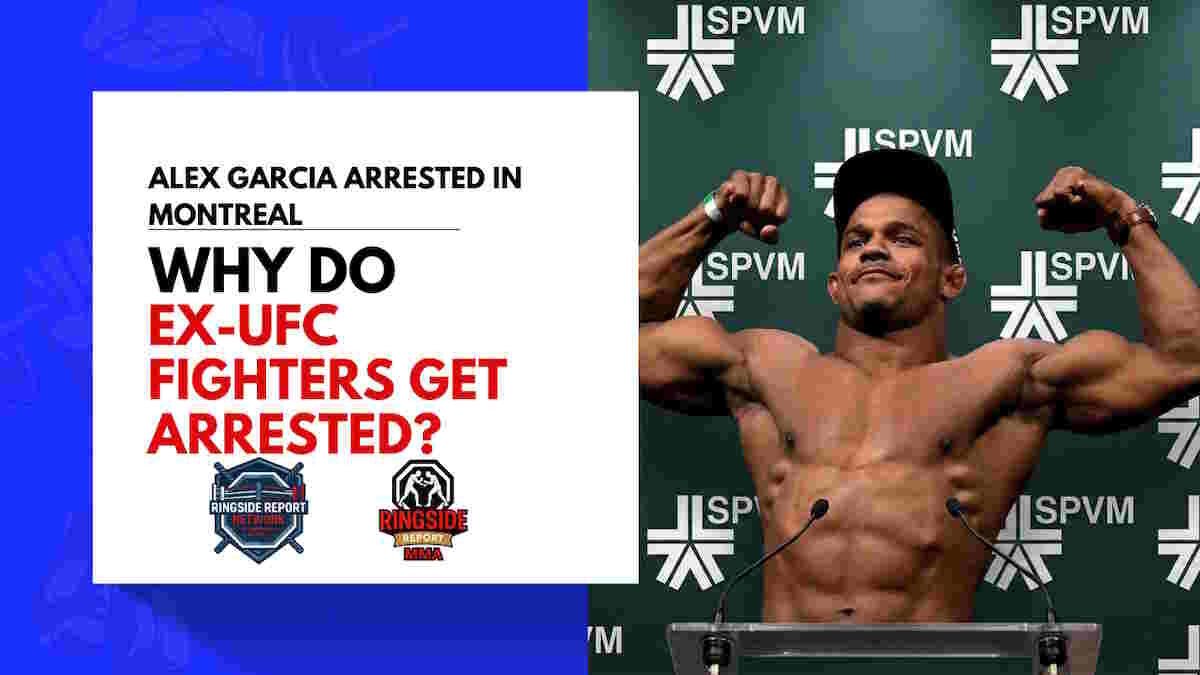

Alex Garcia just got busted with $2.5 million worth of cocaine. Former UFC fighter. Fought in the Octagon from 2014 to 2015. Now he’s looking at serious federal time. And here’s the question that should terrify the UFC’s corporate offices: why do ex-UFC fighters get arrested at rates that seem to keep accelerating?
This isn’t some shocking anomaly. This is a pattern we’ve been documenting at Ringside Report for years, and it’s getting worse as we head into 2026. Garcia went 2-2 in the promotion – not terrible for a non-hype prospect. But that’s the reality for most UFC fighters: you’re not Conor McGregor getting eight-figure paydays. You’re getting show money and win bonuses that barely cover training camp costs. Then one day, Dana White decides your services are no longer required.
What happens next? That’s where this story gets dark. Come on – you cycle through hundreds of fighters, pay them relatively nothing, extract their prime years, then cut them loose with no safety net. What do you expect to happen?
The Financial Desperation Nobody Wants to Acknowledge
The answer to why do ex-UFC fighters get arrested starts with the brutal financial reality that the UFC doesn’t advertise on fight night.
Let’s talk about what a mid-tier UFC fighter actually makes. Garcia’s disclosed purses during his UFC run? We’re talking $16,000 to show, $16,000 to win type money. Best-case scenario, he walked away from his UFC career with maybe $150,000 total before taxes, before paying his coaches, and before covering his own medical expenses that the UFC didn’t handle. After four years of dedicating your life to reaching the highest level of MMA, you’ve got what, maybe $75,000 in the bank if you were smart?

And that’s if you were smart. Most fighters aren’t. They’re athletes who spent their entire adult lives learning how to punch people in the face, not how to manage money or build a career outside the cage. The UFC provides zero — and I mean zero — meaningful career transition support. No financial planning. No job placement. No education programs. You get cut, you get a handshake, and you’re on your own.
The Desperation Math
Here’s where it gets dark. You’re 30 years old. You’ve been fighting professionally since you were 22. You have no college degree. Your body is destroyed. Your brain has taken thousands of impacts. And you’ve got maybe $50,000 left in savings that’s evaporating fast because you still have rent, you still have a family, and now you’re trying to figure out what the hell you do with your life.
Someone approaches you with an opportunity. Easy money. Just transport something. Just be a middleman. You know it’s wrong, but you also know you’re two months from being broke. What do you expect to happen?
The Historical Pattern We Keep Ignoring
This isn’t new, and Garcia isn’t unique. If you want to understand why do ex-UFC fighters get arrested, you need to look at the pattern we’ve been documenting at Ringside Report from 2014 through 2025 and into 2026.
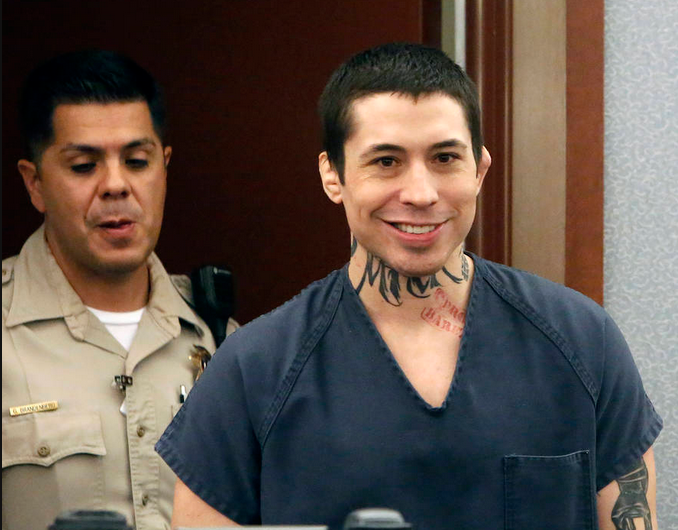
War Machine — forget the horrific assault case; before that, he was arrested for assault in San Diego. Thiago Silva got arrested for armed assault and threatening his wife. Abel Trujillo got busted for cocaine trafficking. And these are just the UFC guys who made headlines.
Brother, I’ve been covering combat sports long enough to see this cycle repeat endlessly. Fighter gets cut. The fighter struggles financially. The fighter makes desperate decisions. The fighter ends up in handcuffs. And every single time, the UFC’s official response is essentially: “He doesn’t work for us anymore, not our problem.”
The CTE Factor Nobody Discusses
Look, we need to talk about brain damage because it’s central to understanding why do ex-UFC fighters get arrested. These guys spent years getting punched and kicked in the head for a living. The research on CTE is clear — repeated head trauma affects decision-making, impulse control, and judgment.
Am I saying every ex-fighter who commits crimes is just a victim of brain damage? No. But am I saying the UFC should be acknowledging that they’re putting guys through trauma that makes post-career struggles more likely? Absolutely.
The NFL has a $1 billion concussion settlement. The UFC has… what? A strongly worded liability waiver?
Let’s Be Honest About Who Benefits
The UFC’s business model is built on disposability. They cycle through hundreds of fighters, pay most of them relatively nothing, extract their prime athletic years, and then move on to the next batch of hungry kids willing to fight for pennies. It’s brilliant capitalism and absolutely terrible human resource management.
Dana White will hold a press conference to discuss how the UFC cares for its fighters. They’ll point to the PI facility, the health insurance during active competition, and the performance bonuses. But that’s the thing — it’s all predicated on you being helpful to them right now. The moment you’re not winning fights or drawing viewers, you’re expendable. And there’s no safety net waiting for you.
The Uncomfortable Truth About Fighter Income
The UFC’s revenue has exploded. The company sold for $4 billion. They’re doing record gate numbers. And yet, fighter pay as a percentage of revenue is still hovering around 16-20%, compared to 50% in major team sports.
That gap? That’s the answer to why do ex-UFC fighters get arrested. It’s the difference between Alex Garcia having enough money to start a legitimate business after fighting and Alex Garcia feeling desperate enough to move cocaine. When NBA players retire, they’ve banked millions and have league-provided transition programs. When UFC fighters get cut, they’re often broke with no support system.
My Bold Prediction: This Gets Worse Before It Gets Better
Here’s what I think happens next heading into 2026, and I hope I’m wrong: We’re going to see more of these cases. More former UFC fighters are being arrested for serious crimes. More tragic stories of guys who fought their hearts out in the Octagon, ending up in prison or dead.
Why? Because the UFC’s business model hasn’t changed. Fighter pay hasn’t meaningfully increased relative to company revenue. There’s still no career transition program worth mentioning. And there’s a whole generation of fighters from the 2010s who are now in their mid-30s, out of the sport, with limited options and damaged bodies.
Where I Might Be Wrong
Come on, maybe I’m being too cynical. Maybe guys like Garcia were always going to make bad decisions regardless of their UFC career. Perhaps the answer to why do ex-UFC fighters get arrested is more straightforward than systemic failure — maybe it’s just individual choices. I don’t have comprehensive data comparing ex-UFC fighters to the general population, and I should acknowledge it.
But here’s the reality — when you create a system that chews people up and spits them out with no support structure, you bear some responsibility for what happens next.
What Actually Needs to Change
The UFC needs a mandatory career transition program. Financial planning. Job placement assistance. Educational opportunities. Mental health support that extends beyond active competition. And yes, they need to pay fighters more so guys aren’t leaving the sport broke after dedicating their lives to it.
Will any of this happen? Probably not voluntarily. It’ll take a fighters’ union with real power, or government regulation, or enough public pressure that the UFC’s corporate overlords at TKO decide the bad PR isn’t worth it.
Why Do Ex-UFC Fighters Get Arrested? Conclusion
Alex Garcia made terrible choices. He’s responsible for his actions. But if you think his story is just about one guy making bad decisions, you’re missing the bigger picture. The complete answer to why do ex-UFC fighters get arrested isn’t complicated: it’s about a system that creates desperation, and desperate people do desperate things.
We’ve been covering this pattern at Ringside Report for years. Until something fundamental changes in how the UFC treats fighters as human beings rather than disposable assets, we’re going to keep writing these stories. The UFC revenue keeps growing. The fighter pay percentage stays stagnant. The post-career support remains nonexistent. And the arrest reports keep coming.
And that’s the thing that keeps me up at night — knowing precisely what’s coming next, and being powerless to stop it.