Seven Years Gone and Fighting a Teenager—This Is Either Brilliant or Insane
Hong Yeong-gi hasn’t fought professionally in seven years. Let me repeat that—seven years. And he’s coming back to face a 17-year-old phenom who’s grown up training specifically for the MMA cage while Hong was… doing what exactly? Teaching? Running a gym? The thing is, this isn’t just another comeback story. This is a fundamental question about whether taekwondo MMA—the Olympic, point-fighting, flashy-kick version translated to the cage—can actually survive against modern fighters where wrestlers will put you on your back and grind you into submission.
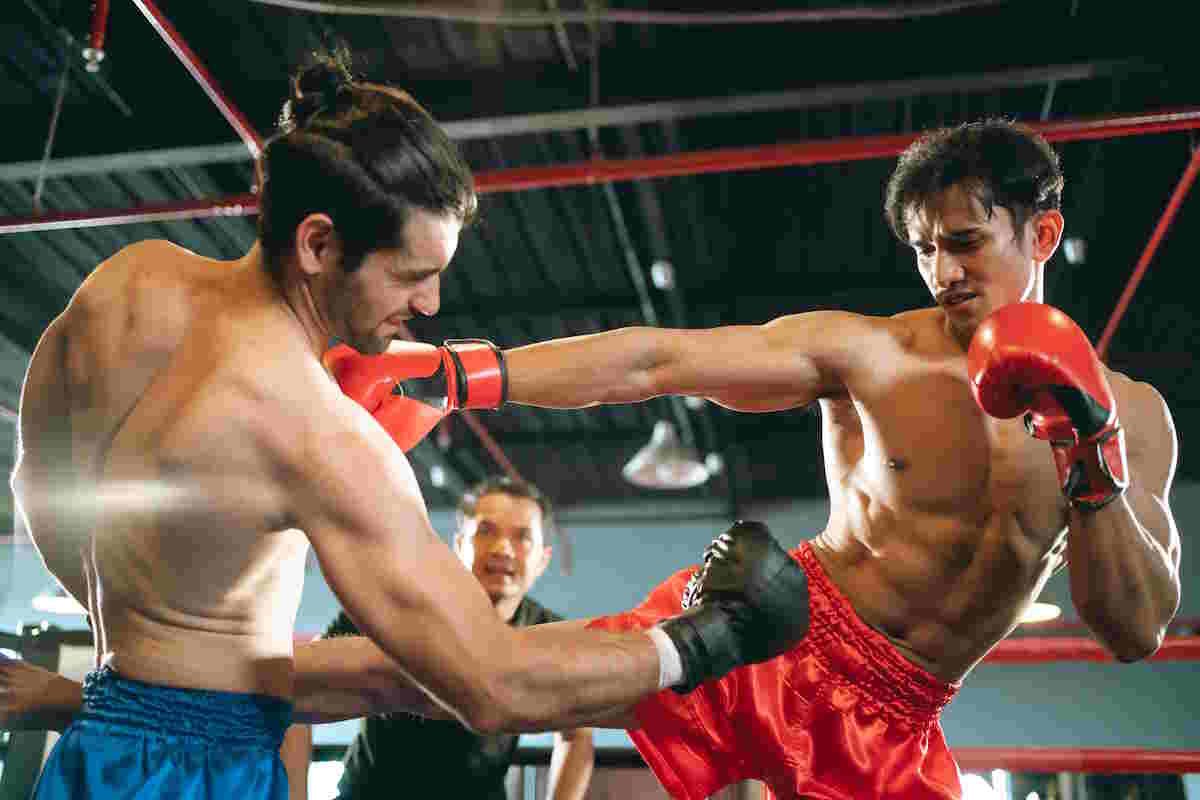
The obvious take here is that Hong is walking into a disaster. He’s 32, facing someone nearly half his age who doesn’t have seven years of ring rust to shake off. The kid’s been training in the cage era, learning to manage distance against wrestlers, to sprawl, and to develop that hybrid style that’s become the MMA standard. Hong’s coming from a world where you score points by landing a clean head kick and immediately resetting to neutral. That’s not how cage fighting works, brother.
But here’s what makes this fascinating—and why we’re covering it at Ringside Report: traditional striking arts have a weird track record of occasionally working *brilliantly* in MMA when applied by the right fighter at the right moment. The question isn’t whether taekwondo works in theory. It’s whether Hong specifically can make it work against this specific opponent after this specific layoff.
Why Taekwondo MMA Keeps Failing (And Occasionally Doesn’t)
The Taekwondo MMA Distance Management Problem
In taekwondo MMA, there are no resets after you score. Taekwondo fighters are used to operating at kicking range with the understanding that once you score, you get reset to a safe distance. In MMA, there are no resets. You land that beautiful spinning hook kick, and if it doesn’t finish the fight, your opponent is immediately closing distance while you’re recovering your balance. That’s where traditional stylists get murdered—in the transition moments their sport never taught them to navigate.
Hong’s been out since 2018. That’s before the current generation of MMA fighters perfected the art of pressure fighting against strikers. The game has evolved specifically to neutralize guys like him. Constant forward pressure, mixing levels, making you defend takedowns while setting up strikes, never letting you establish your preferred range. What do you expect when you give opponents seven years to study and evolve while you’re on the sidelines?

The Phenom Factor Nobody Wants to Discuss
Here’s the reality about fighting teenagers in combat sports—they’re either completely green and exploitable, or they’re absolute killers who haven’t learned fear yet. There’s no middle ground. A 17-year-old in a professional fight has either been fast-tracked because he’s genuinely elite, or he’s being fed to veterans for experience. Based on Hong taking this fight, I’m guessing it’s the former. Nobody comes back after seven years to fight a gimme opponent. You come back because you see something that makes you believe you can win.
That tells me Hong sees technical holes he can exploit. Maybe the kid’s boxing defense is suspect. Maybe he squares his stance in ways that make him vulnerable to Hong’s signature techniques. Traditional martial artists often have this one thing they do at an absolutely elite level—one kick, one combination, one setup that’s been drilled ten thousand times until it’s automatic.
The Uncomfortable Truth About Ring Rust
Everyone’s going to talk about Hong’s layoff as purely negative, and they’re mostly right. Seven years is an eternity in fighting time. Your timing goes, your conditioning goes, and your ability to read distance in real-time deteriorates. But—and I might be completely wrong here—there’s this weird phenomenon where taekwondo MMA fighters sometimes come back sharper after long layoffs, specifically because they’ve been teaching.
When you’re teaching taekwondo for seven years, you’re breaking down every technique to its fundamental components. You’re watching students make mistakes and correcting them, which means you’re studying the art from a different angle. You’re not taking damage in sparring. Your body recovers from the accumulated wear. Come on, I’m not saying this makes up for the competitive rust, but it’s more complicated than just “he hasn’t fought, therefore he loses.”
What Hong Needs to Do in the First Ninety Seconds
That’s the thing about comeback fights—they’re won or lost in the opening exchanges. Hong needs to establish his kicking range immediately and make the kid respect his power. If he lets the 17-year-old pressure him early, test his conditioning, make him defend takedowns in the first minute, it’s over. The rust will show, the cardio won’t be there, and he’ll mentally break knowing he can’t keep up.
But if Hong comes out sharp, lands something significant early, makes the kid hesitate—that’s when traditional striking can take over. Taekwondo at the elite level is about reading reactions and countering. If he can make the phenom fight tentatively, Hong’s experience becomes an advantage instead of a liability.
My Bold Prediction: Hong Wins by Head Kick in Round Two
I’m going against the obvious narrative here. Everyone’s going to pick the young lion over the returning veteran, and statistically, they’re probably right. But I’ve covered enough combat sports to know that betting against a traditional martial artist with a specific game plan is dangerous. Hong didn’t take this fight to embarrass himself. He took it because he’s been visualizing exactly how he wins.
Here’s How It Happens
The first round is tentative. Hong establishes his range, survives the initial pressure, maybe even gets taken down once, but gets back up without taking serious damage. The 17-year-old starts to believe his speed advantage is enough, and gets a little loose with his entries. Round two, Hong times a blitz with a perfectly placed switch kick or spinning back kick—something the kid’s never seen at that speed in actual competition. Fight over.
Specific enough for you? That’s my call. Hong by head kick KO, second round, somewhere between the 2:00 and 3:30 mark when the phenom is starting to open up his offense.
Where This Could Go Completely Wrong
Of course, I could be totally off base here. If Hong’s conditioning isn’t there, if the seven-year layoff means his timing is just gone, if the teenager is actually a wrestler who immediately puts this on the ground—then Hong gets stopped inside one round and we all talk about how predictable it was. The rust could be real, the age gap could be insurmountable, and traditional striking could once again prove inadequate for modern MMA.
But that’s not how I’m seeing it. There’s something about a traditional martial artist coming back after seven years that suggests he’s seen something specific, prepared for something particular. You don’t end that long a silence without a reason.
What This Fight Actually Tells Us About Combat Sports Evolution
Regardless of who wins, this matchup represents something bigger—the ongoing tension between traditional martial arts and modern hybrid fighting. We’ve been covering this evolution at Ringside Report for years, watching as the sport moves further from its roots in specific disciplines toward a homogenized cage-fighting style where everyone does everything adequately but few do anything exceptionally well.
Hong represents the old guard of taekwondo MMA, the specialist, the guy who’s elite at one thing. The 17-year-old represents the new generation, training MMA from day one, adequate everywhere, exploitable nowhere. When these styles clash, we learn something about where combat sports are heading.
My money’s on the specialist. Traditional striking, applied by someone who truly understands it, still has a place in modern fighting. Hong’s going to prove that, or he’s going to get destroyed trying. Either way, it’s going to tell us something important about whether mastery of one discipline still beats competency in many.
That’s the fight that matters here—not just Hong versus a teenager, but philosophy versus pragmatism. And brother, I can’t wait to see which one wins. Traditional taekwondo MMA, applied by someone who truly understands it, still has a place in modern fighting.