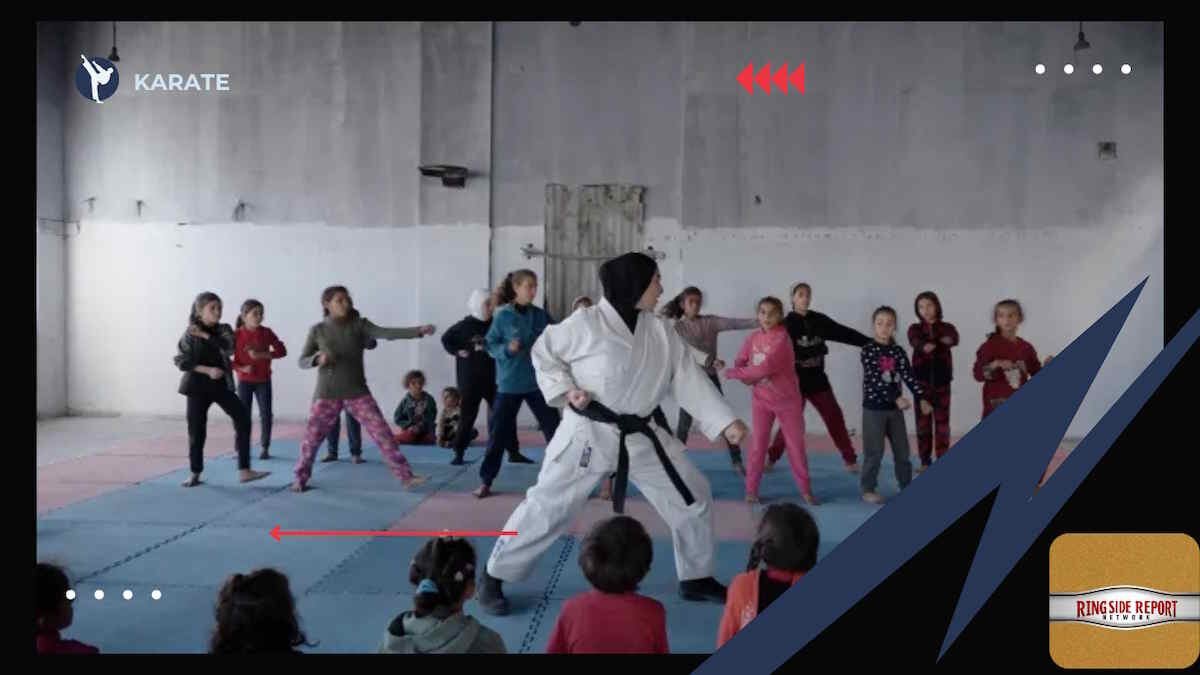

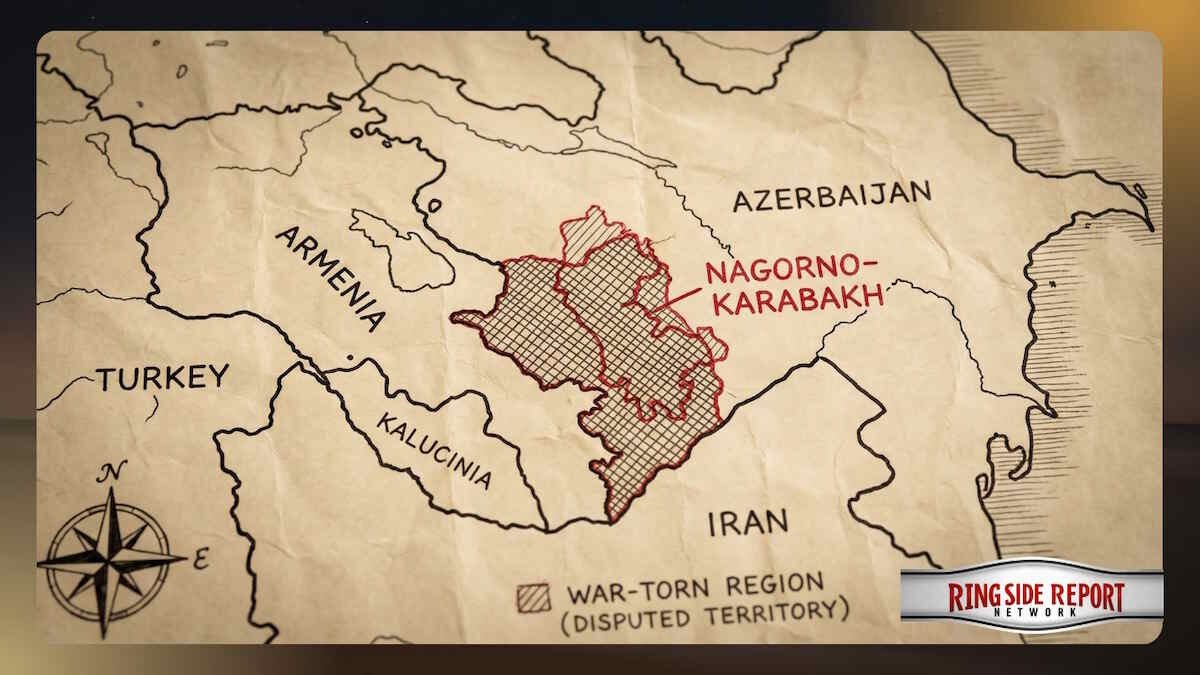
Here’s what matters when we talk about young karateka from Nagorno-Karabakh: these kids didn’t just lose their dojos — they lost their homes, their schools, their entire way of life. The 2020 conflict and subsequent displacement scattered a generation of martial artists across refugee camps and temporary housing, but what happened next tells us everything about what karate really means when the world falls apart around you.
The reality is that most people see martial arts as an extracurricular activity, something nice to have when life is stable. These Karabakh students are proving that it’s backwards thinking. When 12-year-old Armen Petrosyan starts practicing kata on a piece of cardboard for a mat in a refugee camp, he’s not just maintaining muscle memory—he’s preserving identity in the face of erasure.
What’s often overlooked in stories about displaced athletes is how traditional martial arts function differently from team sports during a crisis. You can’t play soccer without a field, can’t swim without a pool. But karate? Karate travels in your bones. The discipline, the forms, the breathing — none of that requires infrastructure. It requires commitment, and these kids have that in abundance.
I’ve been covering combat sports long enough to see how adversity shapes fighters, but this goes deeper than typical hardship stories. These young martial artists aren’t just dealing with poverty or family problems — they’re navigating cultural extinction. When your homeland becomes a memory, and your training facility becomes rubble, continuing to practice becomes an act of resistance.
The technical aspect here also deserves attention. Traditional Shotokan and Kyokushin training emphasizes mental fortification alongside physical technique. These kids spent years learning that karate isn’t about winning tournaments — it’s about conquering yourself. Now they’re applying that philosophy to circumstances no child should face, and frankly, they’re demonstrating mastery that puts most adult practitioners to shame.
That’s the thing about displacement in martial arts communities — it reveals who was training for the right reasons. The kids who showed up just for trophies? They’re gone. Are the ones still practicing forms in temporary shelters? They understand something fundamental that most of us miss: Karate was never about the building.
Historical precedent supports this resilience pattern. Look at how Okinawan karate survived systematic suppression during Japanese occupation, or how Jewish boxers maintained training in ghettos during World War II. Martial arts communities have a unique ability to preserve themselves through oral tradition and personal practice, even when everything else is destroyed. The Karabakh situation follows this template perfectly.

What makes this story particularly compelling from a competitive standpoint is the level of technical foundation these kids had before displacement. Armenia has produced legitimate international karate talent — multiple European Championship medalists and World Championship participants. These weren’t casual students; they were part of a serious developmental pipeline that got severed overnight.
Here’s my bold prediction: within five years, we’ll see at least one of these displaced Karabakh karateka competing at an elite international level, probably representing Armenia at the European or World Championships. The mental toughness being forged right now through actual survival circumstances creates a different category of competitor. You can’t replicate that kind of psychological conditioning in a comfortable suburban dojo.
The international karate community’s response has been mixed, which honestly doesn’t surprise me. Individual instructors and smaller organizations have stepped up with equipment donations and virtual training sessions, but the larger federations have been predictably bureaucratic about it. That’s unfortunate, because this represents precisely the kind of situation where martial arts organizations should demonstrate the values they claim to teach.
What’s complicated about predicting competitive outcomes is that displacement often creates technical gaps that are hard to overcome later. These kids might have iron discipline and mental fortitude, but they’re missing crucial years of structured coaching and regular exposure to competition. That’s the trade-off — extraordinary psychological development at the cost of systematic technical refinement.
I may be romanticizing the competitive potential here. Maybe the trauma and disruption will prove too significant to overcome at elite levels. Perhaps the gaps in formal training will create technical limitations that mental toughness can’t compensate for. That’s the honest assessment — extraordinary circumstances don’t always translate to exceptional athletic achievement.
But here’s what I know for sure: these young martial artists are demonstrating something that goes beyond sport. They’re proving that karate’s core promise — that disciplined practice can provide stability when everything else crumbles — isn’t just philosophical rhetoric. It’s a practical truth.
As we’ve been covering at Ringside Report, combat sports reveal character under pressure. These Karabakh kids aren’t just maintaining their training despite impossible circumstances — they’re redefining what training means when survival becomes the ultimate test. That’s a lesson worth learning, whether you’re a weekend warrior in a comfortable gym or an aspiring champion with every advantage.
The fighting spirit that survives displacement doesn’t just preserve tradition — it transforms it into something stronger.