When ‘Brock Lesnar Guy‘ announced his retirement from being a professional wrestling superfan, the internet did exactly what you’d expect — half the people said ‘good riddance,’ the other half didn’t even know who he was. But here’s the thing: this retirement matters way more than some random fan hanging up his custom t-shirt. It’s a marker for the death of an entire era of wrestling culture that, frankly, we’re better off without.
For those who’ve somehow avoided this phenomenon — and brother, I envy you — Michael Corcoran earned his nickname on April 2, 2012, during Brock Lesnar’s surprise return to Monday Night Raw. As Lesnar’s music hit, cameras caught Corcoran in the front row doing an exaggerated flexing pose, mimicking Lesnar’s signature scream. The clip became an instant meme, and Corcoran did what any attention-seeking fan would do: he leaned into it. He started attending every major show wearing the exact same black skull-and-wings Affliction-style shirt, positioning himself in hard cam seats to ensure maximum visibility. One viral moment became a thirteen-year personal branding exercise.
His “retirement” video featured him leaving the iconic shirt draped over a chair in a symbolic farewell. Most fans are skeptical he’ll actually stay away. That skepticism tells you everything about how this era operated — it was never about the wrestling.
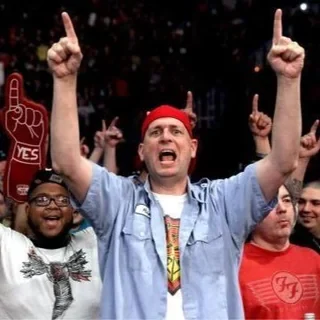
The Rise of Wrestling Superfan Culture
Let’s acknowledge the obvious take first: fans have always tried to get themselves over at wrestling shows. That’s not new. ECW practically built its identity on rabid fans becoming part of the show. The difference? Those ECW fans were reacting authentically to what was happening in the ring. They were enhancing the product, not competing with it.
Not all superfans are created equal, and the contrast matters. Rick Achberger — “Sign Guy” — has been a fixture in WWE front rows for decades. You know him by the red baseball cap and blue button-down work shirt. He’s so embedded in wrestling culture that he’s appeared in WWE video games and even showed up on Deal or No Deal alongside John Cena and Bobby Lashley. But here’s the difference: Achberger interacts with the product. His witty signs draw heat from heel wrestlers. He enhances storylines rather than hijacking them. That’s legitimate superfandom.
Corcoran’s approach was the opposite. He wasn’t reacting to the show — he was performing alongside it, whether anyone asked him to or not. Purposefully grabbing hard cam seats and wearing the same recognizable outfit. Making sure the cameras couldn’t miss him. The goal was never to be a great fan. It was to be famous for being a fan.

The Economics of Being Professionally Visible
What do you expect when WWE and AEW started putting hard cameras in predictable positions, and social media made every reaction instantly shareable? You created an economic incentive for fans to become characters themselves. Front-row seats at WrestleMania run into the thousands of dollars. Still, if you can monetize your social media presence, those tickets might become a business investment rather than an expense.
That’s where this got complicated. Some of these superfans were spending tens of thousands annually to maintain their visibility. Travel, tickets, gear — it’s a full-time job without the actual job part. And for what? A few thousand Twitter followers and the occasional mention on a wrestling podcast?
Then there’s Frank Mustari — “Frank the Clown” — who figured out how actually to monetize the superfan grift. Mustari attended major WWE events dressed in a full clown costume, sitting front and center at every opportunity. He gained further notoriety through his relationship with Noelle Foley, Mick Foley’s daughter, which landed him appearances on the reality series Holy Foley! Unlike most superfans who remain spectators, Frank leveraged his visibility into an actual career — working as a manager and heel figure for independent promotions like Warrior Wrestling.
That’s the logical endpoint of superfan culture: use visibility to become part of the industry you’re supposedly just a fan of. At least Frank was honest about what he wanted. Most superfans pretend they’re just passionate fans while clearly angling for something more.
When Fans Such as Brock Lesnar Guy Become the Story
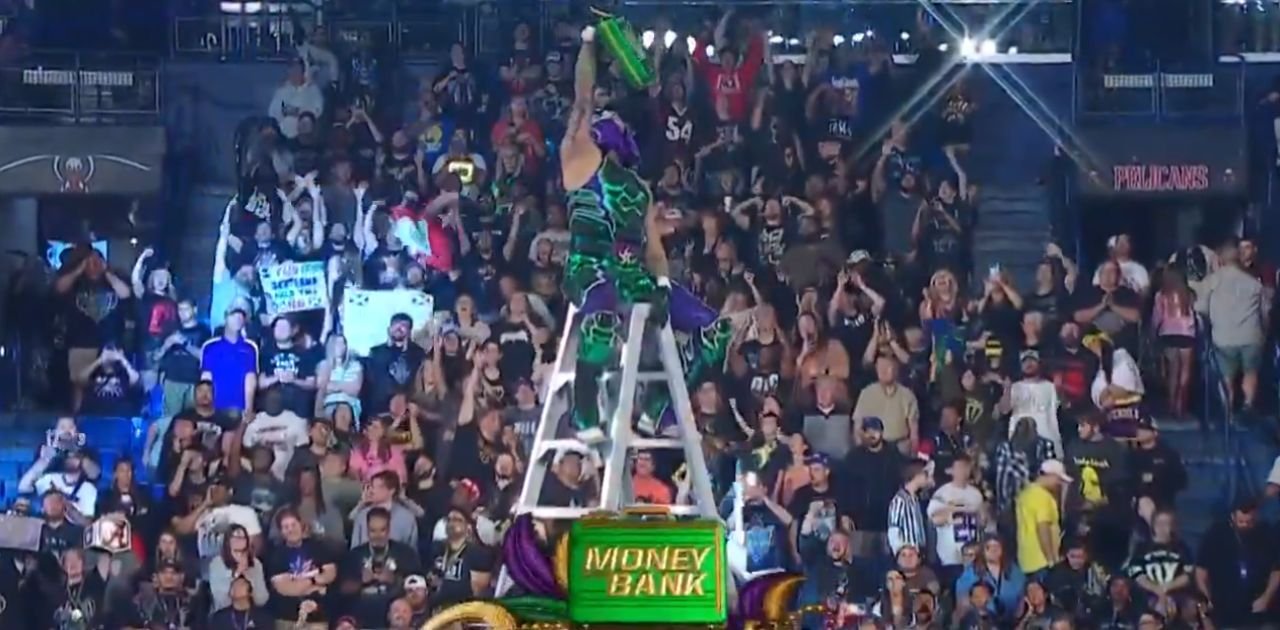
Here’s where we need to be honest about what actually happened during the peak superfan era: they distracted from the product. I’ve covered enough shows where the story afterward wasn’t about the match or the angle — it was about some superfan’s reaction, outfit, or sign. That’s not enhancing wrestling. That’s hijacking it.
Consider AEW’s early days. They leaned hard into featuring certain fans, giving them camera time, acknowledging their presence. It felt inclusive at first, but it set a dangerous precedent. Suddenly, getting yourself over at a wrestling show became almost as important as the actual wrestling to a certain subset of attendees.
Let’s Be Honest About Who This Actually Hurt
The Wrestlers Losing Focus
The biggest victims of superfan culture? The performers who spent years perfecting their craft only to have some guy in a custom shirt become the focal point of crowd shots. Imagine being a midcard wrestler, finally getting your moment on a big show, and the next day everyone’s talking about what ‘Brock Lesnar Guy’ was wearing instead of your performance.
That’s not theoretical — I’ve talked to wrestlers who’ve expressed frustration about this exact phenomenon. They’re too professional to call it out publicly, but privately? They hate it. Come on, of course they do. You work your entire life to get to WWE or AEW, and some fan with disposable income becomes more recognizable than you.
The Promotion’s Complicated Relationship
Promotions have been weirdly complicit in this. WWE would occasionally acknowledge these superfans, giving them just enough attention to encourage the behavior. AEW went even further, practically making some regular fans part of their television presentation. But as we’ve seen with our coverage of live event dynamics, this creates a monster you can’t easily control.
Once you establish that fans can get themselves over, you’ve opened a door you can’t close. Every show becomes an audition for the next viral superfan moment. The focus shifts from ‘how do I react to this amazing match’ to ‘how do I make sure I’m in the shot, and people are talking about me afterward.’
My Bold Prediction: Promotions Will Actively Discourage This Going Forward
Here’s where I’m making a specific call: within the next two years, you’ll see WWE and AEW implement policies specifically designed to minimize superfan culture. We’re already seeing early signs — more varied camera angles, less predictable hard-camera positioning, arena staff being instructed to manage disruptive fan behavior more aggressively.
Why This Shift Is Inevitable
The business case for discouraging superfans is actually pretty straightforward. These characters don’t drive ticket sales or subscriptions — they’re already buying tickets anyway. What they do is create negative social media moments when casual fans or media coverage focus on the wrong things. That’s the thing about attention economy — you want eyeballs on your product, not on some fan’s performance art.
Plus, there’s a generational shift happening. Younger fans who grew up with TikTok and Instagram are actually less impressed by ‘that guy who’s always in the front row’ than older millennials were. The novelty has worn off. Being a recognizable superfan isn’t the flex it was five years ago.
Where This Could Go Wrong
That said, I could be completely wrong about the timeline. Promotions might decide that any engagement is good enough and continue to enable this behavior. Or maybe superfan culture just evolves into something different rather than dying entirely. The internet has a way of finding new attention-seeking mechanisms faster than companies can discourage old ones.
What Happens Next: The Return to Authentic Fandom
Corcoran’s retirement isn’t just one fan stepping away — it’s a signal that the superfan era has peaked and is now in decline. And honestly? Wrestling will be better for it. We’re already seeing it at shows we’ve covered: crowds are more focused on the action, less concerned with getting themselves over, and more willing to just be fans again.
That doesn’t mean fans can’t be passionate or visible. Achberger proved you can be a recognizable superfan without making yourself the story — his signs enhance heel interactions rather than competing with them. What we’re hopefully moving toward is a return to that model — fans enhancing the product through genuine reactions rather than performing alongside it.
The complicated reality is that social media isn’t going anywhere, and neither is the human desire for attention and validation. But maybe, just maybe, we’re collectively realizing that being a great wrestling fan doesn’t require becoming a character yourself. Sometimes the best seat in the house is the one where you’re watching the show instead of trying to become part of it.
And if I’m wrong about all this? If superfan culture just morphs into something even more attention-seeking? Brother, we’ll cover it honestly — even if it means admitting I completely misread where this was heading.
Join us for Wrestling Uncensored every Friday at 10 PM Eastern, where we break down what actually matters in the ring—without anyone trying to get themselves over.