
In This Boxing vs Muay Thai Guide
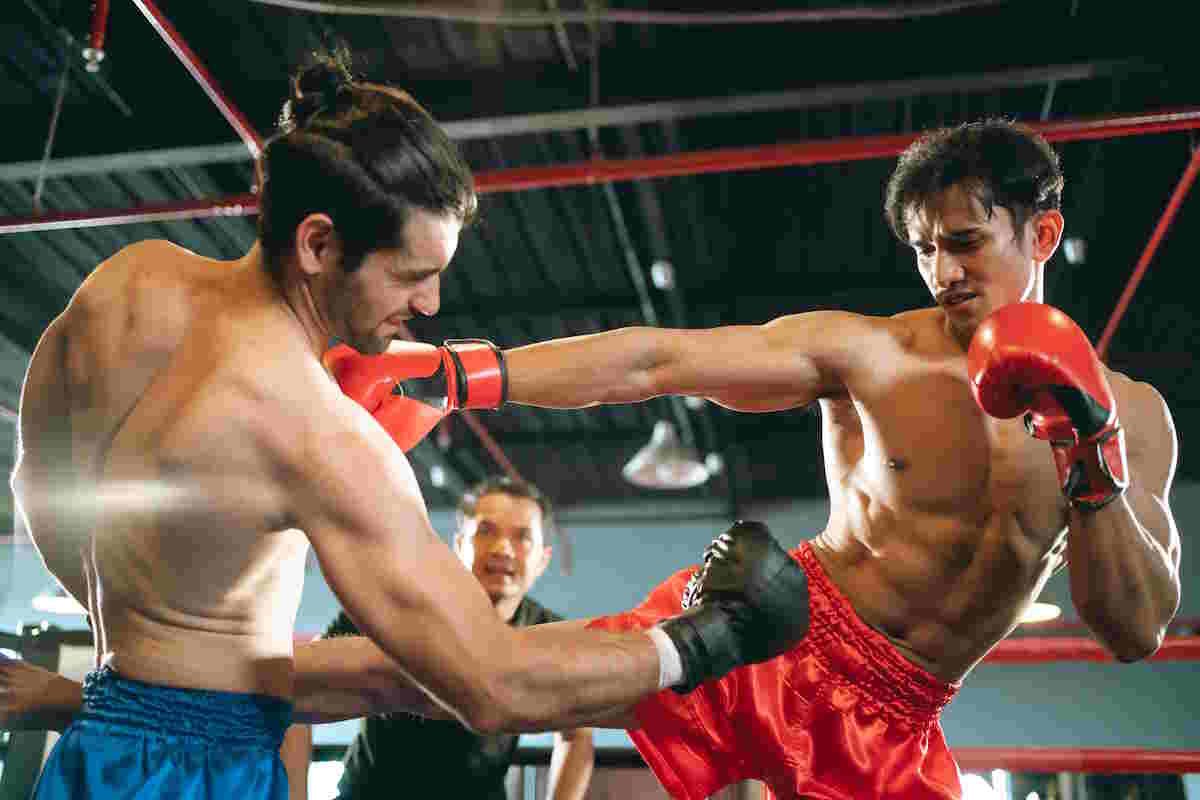
Boxing vs Muay Thai is one of the most common debates in combat sports, and it’s the wrong question — unless you define what you’re optimizing for. Boxing sharpens two weapons to a fine edge: punches refined through head movement, accuracy, and hand speed. Muay Thai deploys eight, adding kicks, knees, elbows, and an extensive clinch system. For self defense and MMA, Muay Thai’s broader arsenal offers more practical coverage. For pure striking precision, boxing’s technical depth is unmatched. Neither system is superior in isolation. The right choice depends on specific goals, and every factor worth weighing is covered below.
The Fundamental Difference: Two Weapons vs Eight
When two fighters step into a ring or cage, the ruleset they trained under shapes everything — how they stand, how they move, and what threats they can pose. Boxing limits its practitioners to punches alone, but that restriction breeds extraordinary depth. Precision, timing, and defensive movement reach levels unmatched in any other striking discipline.
Muay Thai operates on an entirely different philosophy. Its practitioners train the “eight limbs” — fists, elbows, knees, and shins — plus extensive clinch work. The toolkit is broader, but no single weapon reaches boxing’s peak refinement. This fundamental difference isn’t a flaw in either system; it’s the defining trade-off. One art goes deep, the other goes wide, and understanding that distinction is where any honest boxing vs Muay Thai comparison must begin.
Striking Technique Comparison
That trade-off between depth and breadth becomes most visible the moment two fighters actually start exchanging. Boxing’s stance is deliberately bladed — a narrower profile that shrinks the target a boxer presents. Muay Thai’s stance is squarer, built for checking leg kicks and throwing knees without losing structural balance. Neither choice is wrong; both reflect the specific threats each art was designed to solve.
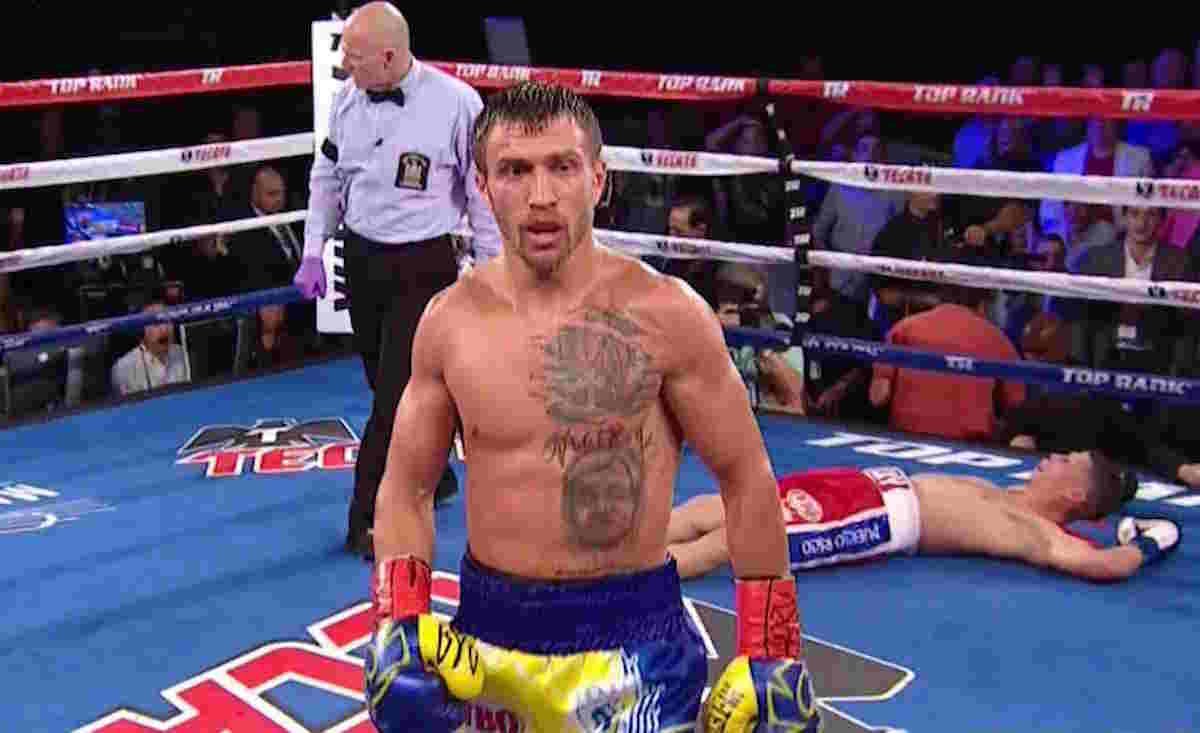
Head movement illustrates this divide sharply. Boxing produces some of the most sophisticated slipping and rolling in combat sports — Lomachenko and Mayweather practically disappeared between punches. Muay Thai practitioners stay more upright because ducking into a knee or elbow is a losing gamble. In exchange, Muay Thai’s roundhouse kicks to the body and legs, and its devastating close-range elbows, are weapons boxing simply cannot answer.

The punching mechanics themselves also differ. Boxing develops combinations with tighter arcs, faster hand speed, and more sophisticated setups because punches are the only offensive tool. Muay Thai punches tend to be slightly wider and more committed — the fighter must account for the possibility of throwing a kick or knee immediately after, which changes the weight distribution and hip engagement on every punch.
Clinch Work: Muay Thai’s Unique Advantage
The clinch is where boxing and Muay Thai separate most dramatically — not just in technique, but in philosophy. Boxing treats the clinch as a pause button. Referees break it almost immediately, and fighters use it primarily to smother offense and recover.
Muay Thai treats it as a battlefield. The Thai plum, or double collar tie, is the centerpiece of this system. From that grip, a fighter controls posture, lands devastating knees to the body and head, executes off-balancing sweeps, and dictates the entire rhythm of the exchange. Saenchai and Rodtang don’t merely survive the clinch — they hunt for it. The standing grappling position is where Muay Thai fighters do some of their most damaging work, and it’s the aspect of the art that transfers most directly to real-world self defense scenarios.
Innovators are pushing Muay Thai’s defensive capabilities even further. Aliff Sor Dechapan’s head movement revolution is incorporating boxing-style slips and rolls into a Muay Thai framework, suggesting that the gap between the two arts’ defensive systems may narrow significantly in the coming years.
Defense Comparison: Head Movement vs Kick Checking
Defense is where boxing’s technical depth becomes most apparent — and where Muay Thai’s pragmatism takes a different, equally logical path.
Boxing produces some of the most refined punch-evasion techniques in combat sports. Slips, rolls, and pull-backs allow skilled practitioners to make opponents miss by centimeters, generating countering angles in the process. Lomachenko and Mayweather built entire careers on this principle — and the footwork beneath their defensive movement made it possible.
Muay Thai’s defensive framework addresses a fundamentally broader threat landscape. Checking kicks — lifting the shin to intercept an incoming leg kick — reduces bone-on-bone impact and discourages further attacks. The teep (push kick) controls distance before danger arrives. Catching and blocking kicks completes the picture. Neither system is superior in isolation. Boxing’s head movement is more technically refined; Muay Thai’s defense is simply solving a different, more complex problem with more variables.
Boxing vs Muay Thai for Self Defense
Practical self defense shifts the conversation away from sport and into messier, less predictable territory. Most real confrontations happen at close range and escalate fast — precisely where boxing thrives. A trained boxer’s hand speed, accuracy, and head movement create a decisive advantage when fists are flying at close quarters.
Muay Thai’s broader toolkit, however, covers more scenarios. Its clinch work and knee strikes are brutally effective at close range, and leg kicks can compromise an aggressor’s mobility before a situation fully develops. The teep alone — a simple push kick to the midsection — is one of the most practical self defense tools any martial art teaches, creating immediate distance with minimal risk.
Neither art addresses ground fighting — a significant gap, since many altercations end up there. Techniques like the rear naked choke dominate real-world ground encounters, and neither boxing nor Muay Thai prepares you for that phase. Smart practitioners cross-train with a grappling art like BJJ or Judo to fill the void, because the street rarely respects a fighter’s preferred range.
Boxing vs Muay Thai for MMA
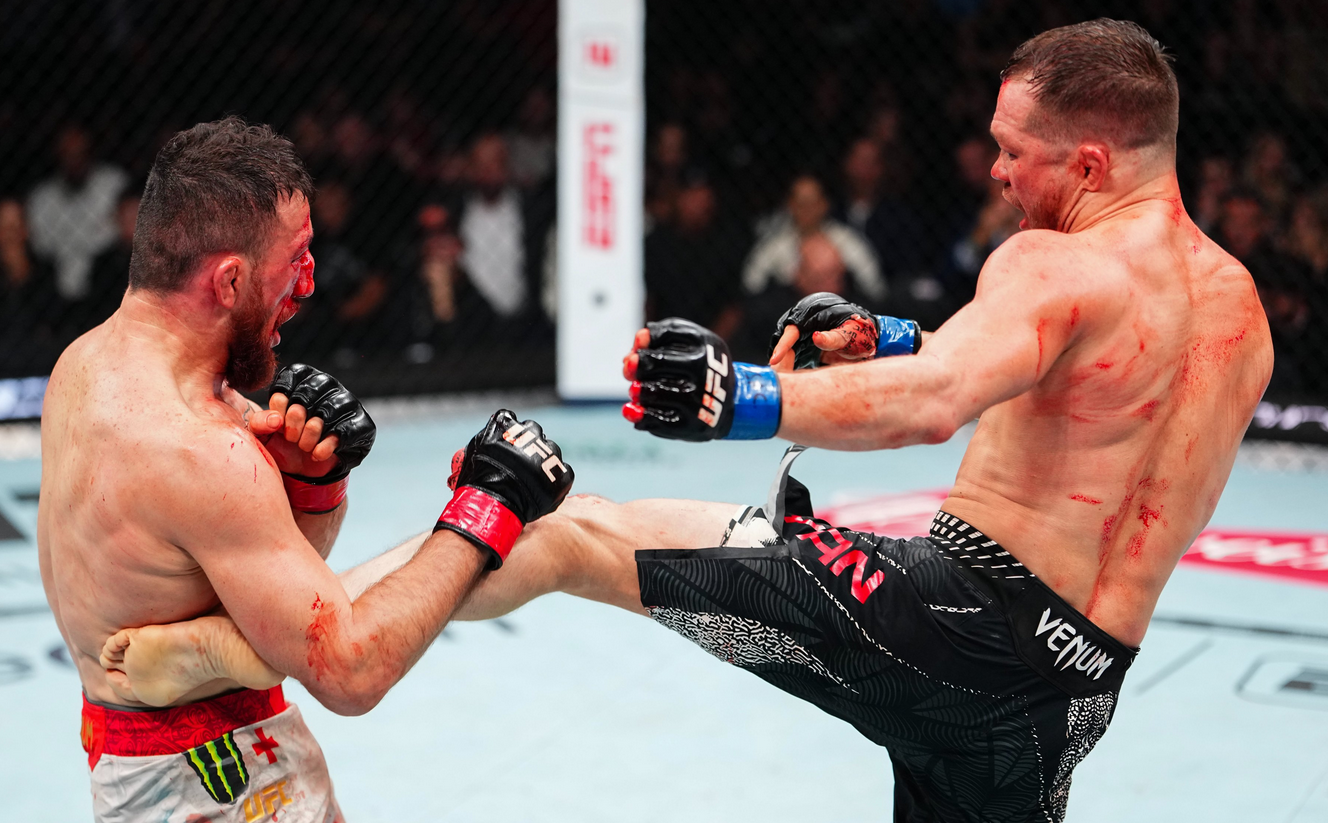
Few combat sport debates carry more practical weight for fighters than whether boxing or Muay Thai better prepares a competitor for the cage. The honest answer is that both arts contribute meaningfully to striking in MMA.
Boxing delivers hand speed, punch accuracy, and the head movement that fighters like Cody Garbrandt and Petr Yan weaponize effectively. Muay Thai brings the fuller arsenal — kicks, elbows, knees, and clinch work that translates directly to cage pressure. Israel Adesanya and Valentina Shevchenko demonstrate how Muay Thai’s multi-limb attack system creates problems opponents simply cannot solve with boxing defense alone.
The sprawl-and-brawl approach used by many stand-up-oriented MMA fighters borrows heavily from both arts — boxing’s hand combinations and defensive movement, combined with Muay Thai’s kicks and clinch work — to create a style that keeps the fight standing. Most serious MMA gyms now teach both disciplines, recognizing that cross-training between boxing and Muay Thai isn’t optional — it’s the baseline requirement for any fighter serious about competing at a meaningful level.
Boxing vs Muay Thai for Fitness
When fitness is the goal rather than the fight, both boxing and Muay Thai deliver — but they condition the body in meaningfully different ways. Boxing hammers upper-body endurance, shoulder durability, and cardiovascular output through relentless combinations of punches. Muay Thai demands more from the entire body — hips, legs, and core all engage heavily through kicking mechanics and clinch work. Both arts burn 500-plus calories per session, but Muay Thai’s full-body conditioning load gives it a measurable edge for overall athleticism.
The injury profile differs, too. Boxing’s primary risks center on the hands, wrists, and head (once sparring begins). Muay Thai adds shin conditioning, which can be uncomfortable for beginners, and the rotational demands of kicking put more stress on hips and knees. Both arts scale well for beginners — most gyms separate competitive fighters from fitness-focused students, so you can train at the intensity level that matches your goals.
Which Should You Choose?
The honest answer depends entirely on goals. Boxing wins if the priority is hand speed, sharp defensive movement, and handling the most statistically common self defense threat — an untrained puncher throwing wild hooks. Its focused curriculum produces refined technique faster, and our boxing basics guide covers everything you need to start.
Muay Thai wins if the goal is a broader weapons system, genuine clinch fighting ability, or a future in MMA. Eight limbs beat two in almost every ruleset outside a boxing ring.
The smartest choice, however, is both. Boxing sharpens the hands; Muay Thai extends the range. Together, they form a striking foundation that almost nothing else can match — and it’s exactly the formula that three decades of MMA competition have validated.
Boxing vs Muay Thai FAQs
Is boxing or Muay Thai harder to learn?
Muay Thai has a steeper initial learning curve because fighters must coordinate eight weapons instead of two. Most dedicated boxing students develop solid foundational skills within 12 to 18 months, while Muay Thai competency typically takes 18 to 24 months. Both timelines assume regular sparring, quality coaching, and honest self-assessment. Boxing’s narrower focus means you feel competent faster, but Muay Thai’s broader skill set pays dividends over the long term.
Can a boxer beat a Muay Thai fighter?
In a boxing match, a boxer wins almost every time due to superior hand technique. In a Muay Thai match, the Muay Thai fighter holds a significant advantage through kicks, knees, elbows, and clinch control. In a street encounter with no rules, the outcome depends more on the individual’s skill level, composure, and physical attributes than on the art itself. The ruleset determines the advantage more than the discipline does.
Should I learn boxing or Muay Thai first for MMA?
Most MMA coaches recommend starting with Muay Thai because its broader toolkit — kicks, knees, elbows, and clinch work — covers more of the striking scenarios you will face in the cage. Boxing can then be layered on top to sharpen hand speed, punch accuracy, and head movement. That said, starting with boxing builds faster confidence in sparring because the technical focus is narrower and progress is more immediately visible.
Is Muay Thai better than boxing for self defense?
Muay Thai covers more self defense scenarios because its clinch, knee strikes, and leg kicks address threats that boxing’s punch-only system cannot. However, boxing’s hand speed and head movement are better suited to the most common type of street confrontation — a close-range punching exchange. Neither art addresses ground fighting, so cross-training with BJJ or Judo fills the most critical gap, regardless of which striking art you choose.
Can you train in boxing and Muay Thai at the same time?
Yes, and many serious fighters do exactly this. The key is structured scheduling: dedicate separate sessions to each discipline rather than blending them within a single workout. Boxing sharpens hand speed and defensive movement while Muay Thai adds kicks, elbows, and clinch work. The two arts complement each other naturally, and training both simultaneously builds a more complete striking skill set than either produces alone.