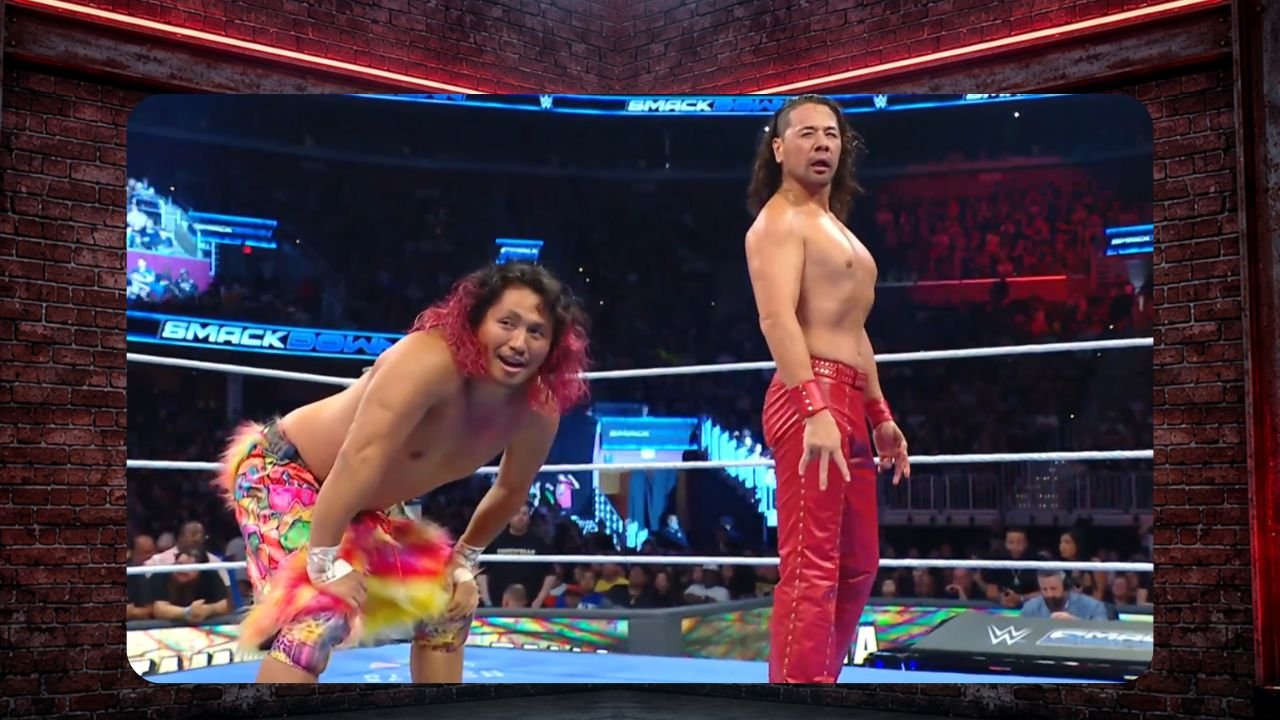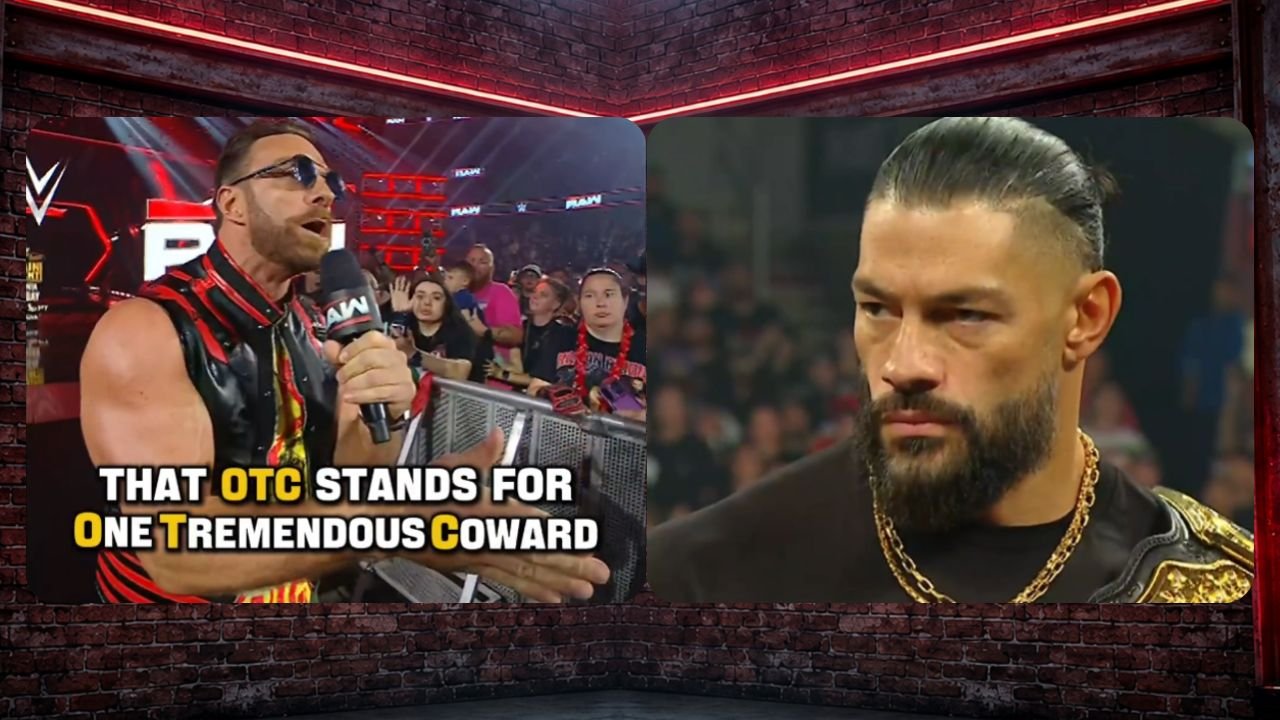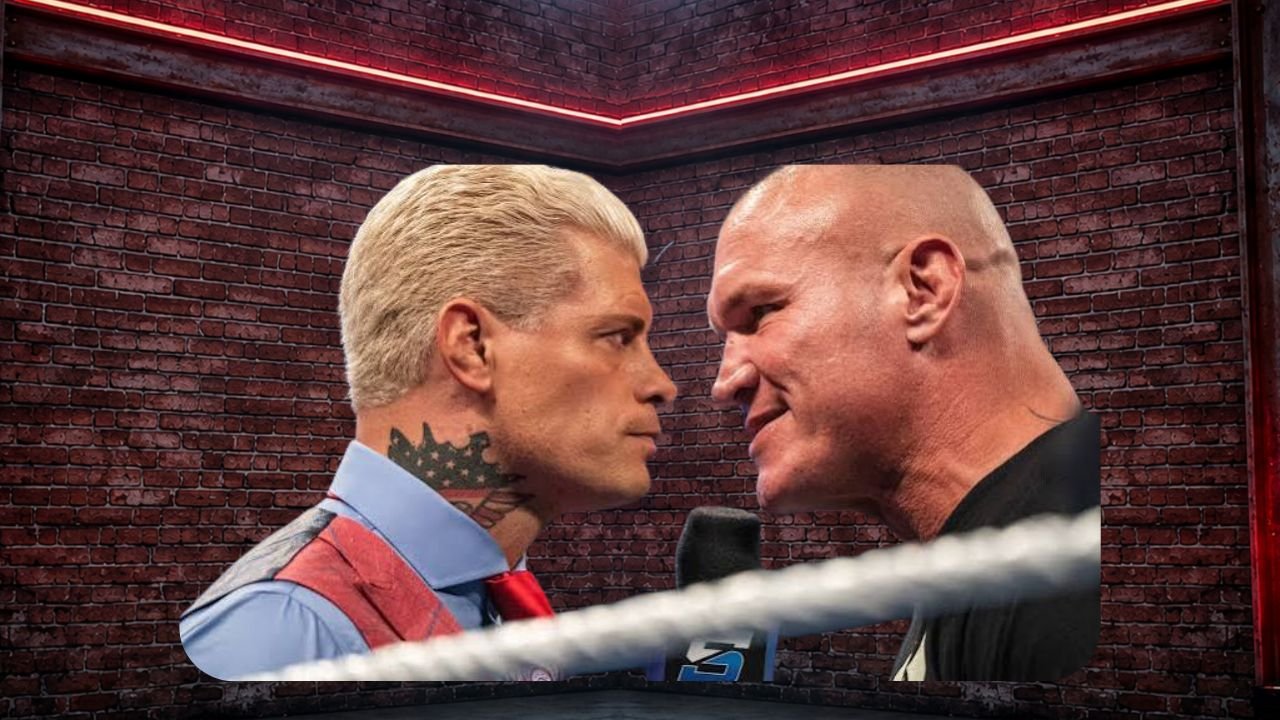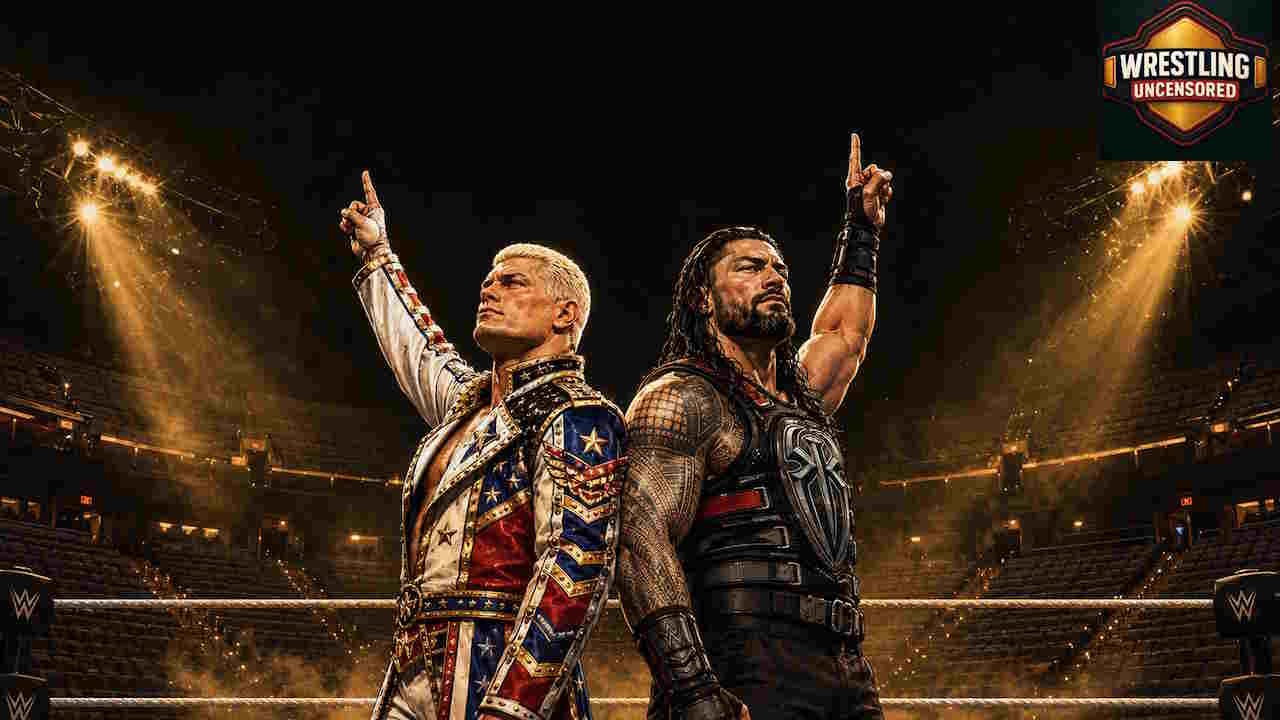

WWE SummerSlam 2026 is shaping up to be one of the strangest booking exercises in years. Look down the card and try to find the heel. Roman Reigns versus Seth Rollins: two babyfaces. CM Punk versus Cody Rhodes: two babyfaces. The six-man tag, the Intercontinental title match, and most of the card read the same way.
WWE has built its biggest show of the summer almost entirely without antagonists, and ticket sales are showing it. That is not a coincidence, and it is not a small problem either.
A Card Full of Good Guys
| Announced Match | Alignment Problem |
|---|---|
| Roman Reigns vs. Seth Rollins | Both babyfaces |
| CM Punk vs. Cody Rhodes | Both babyfaces |
| Penta vs. Chad Gable | Both babyfaces |
| Brock Lesnar vs. Oba Femi | Both babyfaces |
| LA Knight, Solo Sikoa & Rikishi’s family vs. Jacob Fatu, Jey & Jimmy Uso | Crowd cheers both sides |
Gunther and Sami Zayn are, for practical purposes, the only two consistent heels on the entire roster right now. Everyone else is being cheered, regardless of what the script calls them.
Why This Actually Hurts Ticket Sales
Without a clear heel to root against, these matches come down to a single question: who wins? And WWE has developed a habit of avoiding decisive finishes on its biggest shows, which means even that question often goes unanswered.
That combination, no heat plus no finish, is why fans keep saying these shows leave them empty, even when the wrestling itself is good. SummerSlam ticket sales for the two-night format have been sluggish, and a stacked card of friendly matchups is not going to reverse that.
How WWE SummerSlam 2026 Compares to Recent Years
Go back three or four years, and SummerSlam cards typically had at least two or three matches built around a clear moral divide. Roman Reigns spent years as the top heel in the company precisely because that dynamic drove business. Removing that friction from nearly every marquee matchup at once is a genuinely new experiment for WWE, and an expensive one if it does not work.
It also puts more pressure on in-ring quality to carry the show, since the emotional stakes that usually come from a hero-versus-villain framing are largely absent this time around.
What a Turn Would Actually Look Like
The simplest fix is not creatively complicated; it is just politically uncomfortable. Someone in the Reigns, Rollins, Rhodes, Punk group needs to become a legitimate target of the crowd’s anger rather than its affection. WWE has shown it can do this well when it commits, and the Roman Reigns heel run remains the best evidence of how much business a real villain can generate.
The risk WWE seems to be avoiding is short-term backlash from turning a beloved star. But the alternative, a SummerSlam card where every marquee match feels the same emotionally, carries its own cost, and that cost is showing up directly in ticket sales rather than in social media commentary.
The Fix Nobody Wants to Do
- Turn someone. Roman, Seth, Cody, and Punk cannot all stay faces forever without the product losing tension.
- Give Gunther and Sami Zayn a real spotlight instead of pairing Gunther with Nick Aldis, a match almost nobody is asking to see.
- Commit to finishes on marquee matches instead of run-ins and no-contests that leave crowds unsatisfied.
- Watch for a four-way WWE Championship match, folding Gunther and Sami into the Punk-Cody match, as the most realistic fix WWE has left.
Whatever WWE decides to do about it, WWE SummerSlam 2026 is already a useful case study in what happens when a promotion runs out of villains at the exact moment it needs them most.
This booking pattern did not start this week. It follows directly from the finishes at Night of Champions, where the same appetite for shock over resolution was on display, and it echoes concerns raised in our breakdown of SummerSlam’s credibility problem two weeks ago. The King of the Ring bracket and the broader Bloodline power dynamics shaping the summer both point in the same direction: WWE has plenty of stars, but not enough villains.
The card played out largely as predicted. See our WWE SummerSlam 2026 results breakdown for how the babyface-heavy booking actually landed, and why the Baron Corbin title change made things worse.