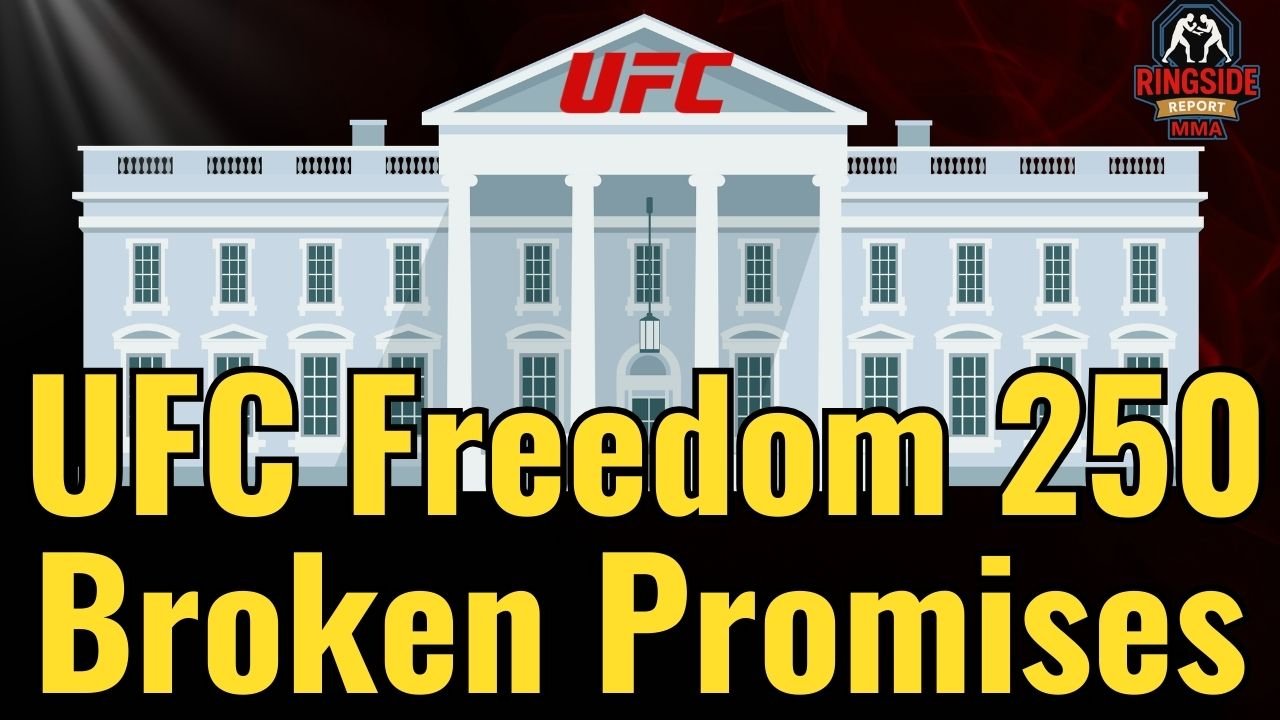

The UFC promised fans the greatest fight card ever assembled for their historic White House event. Six or seven title fights, the biggest names in the sport, a once-in-a-lifetime spectacle on the lawn of the most powerful building in the world. What fans actually received this week was UFC Freedom 250, a card that features exactly two title fights, zero legacy superstars, and the quiet confirmation that Jon Jones will never fight in the UFC again. The gap between the promise and the delivery has never been wider, and the Ringside Report MMA crew spent the better part of an hour explaining why that gap should bother every fan paying attention.
Dave Simon called it the theme of the show and the theme of the UFC in 2026: over-promising and under-delivering. From the UFC Freedom 250 card reveal to the Jon Jones contract disaster to Ronda Rousey publicly calling out the company’s broken business model, this was a week where the UFC’s disconnect with its fan base became impossible to ignore. Joined by AJ D’Alesio and Fred Garcia on Ringside Report MMA, Simon built a comprehensive case that TKO’s short-term greed is actively harming the sport’s long-term future.
🎯 Key Takeaways
- UFC Freedom 250 disappoints: The White House card features Topuria vs Gaethje and Pereira vs Gane, but no Jon Jones, no Conor McGregor, and no Ngannou despite months of promises.
- Jon Jones effectively retired by the UFC: Dana White claims Jones has arthritis and cannot fight. Jones fired back on Twitter revealing he was actively negotiating and even received stem cell treatment to prepare.
- The Conor Benn effect: Zufa Boxing reportedly signed Conor Benn for around $15 million for a single fight, enraging UFC fighters who built the brand and earn a fraction of that amount.
- Ronda Rousey goes scorched earth: Rousey publicly stated the UFC’s streaming model has removed the incentive to put on the best fights possible, calling the company “barely recognizable.”
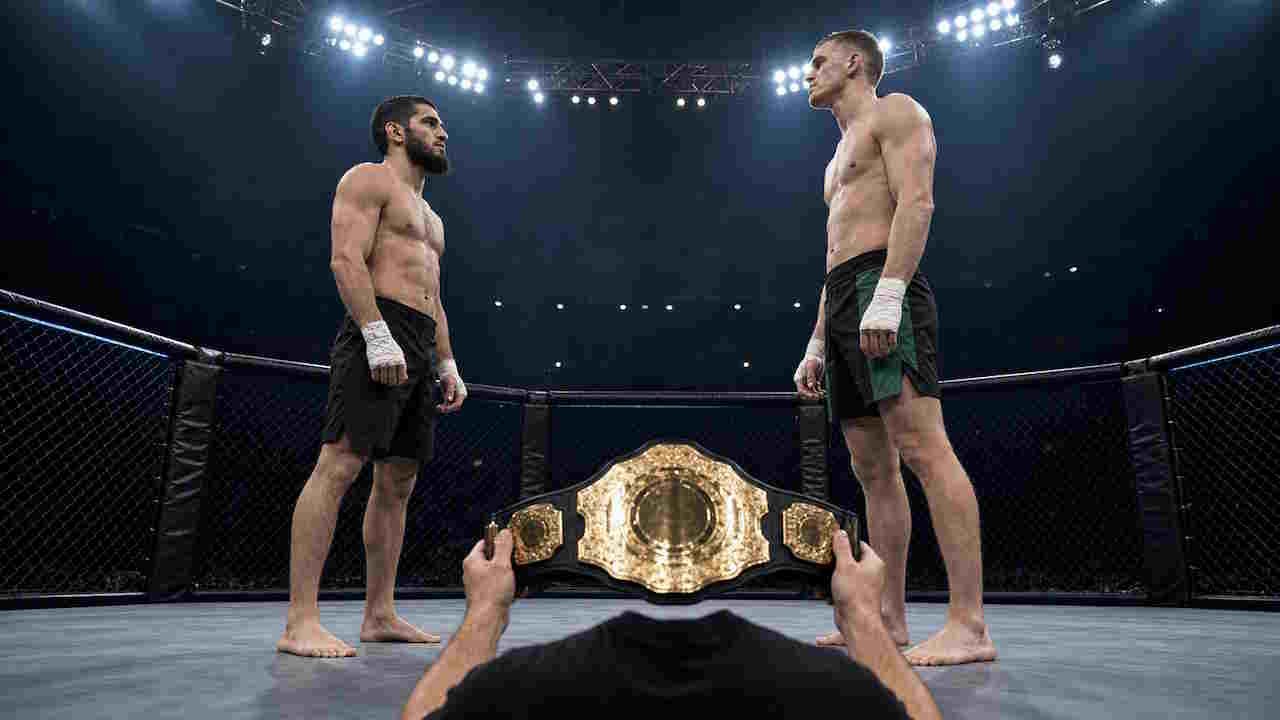
- Holloway vs Oliveira BMF letdown: Charles Oliveira wrestled Max Holloway for five rounds in a fight that contradicted everything the BMF title is supposed to represent.
- The $7 billion problem: With guaranteed Paramount money, the UFC no longer needs to sell pay-per-views, removing the financial incentive to pay fighters or build marquee matchups.
The BMF Title Proved Itself Meaningless — Again
The conversation started with last Saturday’s main event between Max Holloway and Charles Oliveira for the BMF title at UFC 318, a fight that was supposed to deliver violence and instead delivered five rounds of top control and minimal damage. Dave Simon did not mince words about the performance: “It was Oliveira on top of Max Holloway the final three rounds doing nothing, doing no damage. Did you see their faces after 25 minutes of martial arts combat? Not a scratch.”
Fred Garcia pushed back on blaming Oliveira for the style of fight, arguing instead that the problem is the BMF title itself. His point was direct: the title creates unfair expectations by implying a stand-and-bang fight, but fighters will fight to win regardless of what belt is on the line. “The BMF title has no point in existing. They’re trying to create main events with this fake title, and I’m sorry, Max Holloway versus Charles Oliveira is a great fight, but it’s not a main event.”
The deeper issue that Simon identified was what Oliveira’s dominant wrestling performance actually means for the lightweight division. The answer, he argued, is not very much. Oliveira cannot use this win to justify a rematch with Ilia Topuria, who already knocked him out. He is not a viable opponent for Islam Makhachev. And the style he used makes him a terrible matchup for any potential Conor McGregor comeback fight. The BMF victory, impressive as it was technically, leaves Oliveira in a competitive dead end.
AJ D’Alesio offered the counterpoint that Oliveira executed a brilliant game plan and took the fight seriously as a competitor. The strike count backed this up — 110 significant strikes for Oliveira against 73 for Holloway. But even AJ conceded this was not the kind of fight anyone expected from a BMF title bout, and that distinction between competitive respect and entertainment value is exactly why the hosts agreed the title should probably be retired.
Garcia’s advice for Holloway was emphatic: go back to 145 pounds. His performances against Dustin Poirier and now Oliveira at lightweight suggest he simply cannot compete with the bigger, more physical fighters in the division. Simon acknowledged the point but noted Holloway still looked impressive against Justin Gaethje at 155, and that a rematch with Topuria at lightweight would be intriguing since Topuria is a natural featherweight himself.
UFC Freedom 250 Card Revealed — And It Is Not WrestleMania
The bulk of the episode focused on the UFC Freedom 250 card, the historic White House event scheduled for June 14. The UFC and President Trump had promised six or seven title fights, the biggest names in combat sports, and a spectacle to rival anything the promotion had ever produced. Dana White publicly confirmed those promises. What fans received instead was a card that Simon compared to Survivor Series, even though they were promised WrestleMania.
| Fight | Division/Stakes | Notes |
|---|---|---|
| Ilia Topuria vs Justin Gaethje | Undisputed Lightweight Title | Gaethje is interim champion |
| Alex Pereira vs Ciryl Gane | Interim Heavyweight Title | Pereira relinquished LHW belt to move up |
| Sean O’Malley vs Aiemann Zahabi | Bantamweight | Huge opportunity for Montreal’s Zahabi |
| Mauricio Ruffy vs Michael Chandler | Lightweight | Was the rumoured McGregor vs Chandler slot |
| Bo Nickal vs Kyle Daukaus | Middleweight | Both Americans — guaranteed U.S. winner |
| Diego Lopes vs Steve Garcia | Featherweight | Lopes favoured despite fighting out of Mexico |
Simon’s criticism was pointed: none of the legacy names floated for this event made the cut. No, Jon Jones. No Conor McGregor. No Ronda Rousey. No Francis Ngannou. No, Nate Diaz. The two title fights are solid, but neither is the superfight that was promised. Topuria vs Gaethje is a good fight, but it is not the Topuria vs Makhachev unification bout fans have been waiting for. Pereira vs Gane for an interim heavyweight belt is competitive, but as Simon noted, “it’s a Brazilian and a Frenchman — who cares?” in the context of a patriotic American event.
He also raised an uncomfortable observation about the card’s American problem. Of the fights with a clear USA-versus-international dynamic, Simon predicted American fighters would lose almost every time. Topuria is expected to knock out Gaethje. Ruffy is favored over Chandler. Lopes should handle Garcia. The only guaranteed American winner comes from the all-American Nickal vs Daukaus matchup. For a card staged at the White House to celebrate American greatness, that is a potentially embarrassing outcome.
AJ D’Alesio took the opposite position, arguing passionately that the UFC is keeping a surprise up its sleeve. His theory: Conor McGregor will be announced as a late addition, turning Freedom 250 into the spectacle it was always meant to be. “They don’t call it Freedom 250 for no reason. This is all about the Connor show, and you can’t get a bigger Connor show than Donald Trump.” Simon was skeptical, pointing out that if McGregor were fighting, the UFC would have announced it already, with the event three months away. The UFC has reportedly targeted McGregor for International Fight Week in July instead.
Jon Jones Did Not Retire — The UFC Retired Him
The most emotional segment of the show centred on Jon Jones, who was supposed to be the headliner of the White House card. Dana White told the media this week that Jones has arthritis in his hip, cannot run, and was never seriously in negotiations for the event. Jones, White said, is effectively done.
Jones disagreed. Publicly. On Twitter, Jones released a detailed statement that Simon read in full on the show. The statement revealed that Jones and his team were actively negotiating with the UFC for the White House fight, that Jones had come down from his original asking price, and that he had been lowballed in return. Jones also revealed he had received stem cell treatment the previous week to prepare for the fight, and that training camp was scheduled to begin the day of his statement. The most damning detail: “As recently as Friday, UFC was calling me trying to get me on that White House card for a much lower number.”
Simon connected this directly to the UFC’s history of controlling fighters through contracts. Jones has approximately six fights remaining on his UFC deal. He has asked to be released. The UFC will not release him because he could walk to MVP Promotions on Netflix and fight Francis Ngannou — the superfight the UFC refused to make. So Jones sits at home in New Mexico, under contract, inactive, while the UFC tells the world he is retired.
“In the UFC, you don’t decide when you’re done. They do.” That line from Simon captured the entire segment. He drew a direct parallel to Georges St-Pierre, who faced the same treatment when he tried to pursue opportunities outside the UFC. The greatest welterweight of all time was blocked from a boxing match with Oscar De La Hoya because the UFC would not release him from his contract. If they could do it to GSP, Simon argued, they would do it to anyone.
“These billionaires decided that the greatest MMA fighter of all time is retired. They didn’t ask him. They didn’t call him. They said we don’t want to pay you. You’re done.” — Dave Simon, Ringside Report MMA
The Conor Benn Problem: Zufa Boxing Broke the Pay Scale
The financial dimensions of the Jones situation became even more explosive when Simon introduced the Conor Benn factor. Reports indicate Jones was initially offered around $30 million to fight Tom Aspinall. Jones initially agreed, then backed out, and the fight fell through. For the White House card, the offer reportedly dropped to the $15 million range — roughly what Zufa Boxing, the UFC’s sister company, paid British boxer Conor Benn for a single fight.
That comparison has infuriated UFC fighters across the roster. Zufa Boxing exists because of the UFC. The UFC exists because of its fighters. And those fighters are watching an outside boxer walk in and collect a paycheque that dwarfs what most of them will earn in their entire careers. Simon framed the absurdity perfectly: if Conor Benn is worth $15 million, what is Jon Jones worth? What is Conor McGregor worth? The answer exposes just how dramatically the UFC undervalues its own athletes.
Fred Garcia offered practical advice that the hosts agreed was the most important takeaway for fighters: stop keeping your earnings secret. If Justin Gaethje’s pay were public, Ilia Topuria could negotiate accordingly. If Topuria’s pay were public, McGregor could leverage it further. The secrecy around fighter pay exists because it benefits the UFC, not the fighters. Transparency, Garcia argued, is the single most powerful tool available to fighters who want better compensation.
## Reality Check: The UFC’s $7 Billion Cushion Killed Big Fights
> **The Reality:** When the UFC operated on a pay-per-view model, they needed superstars to sell events. They had to pay Jones, McGregor, and Rousey what they demanded because those names moved the needle. Now the UFC has $7.7 billion guaranteed from Paramount regardless of whether Freedom 250 features Jon Jones or a card full of regional headliners. The financial incentive to build marquee events is gone. The UFC gets paid no matter what. And that is why fans are getting mid-tier cards branded with patriotic names and sold as once-in-a-lifetime spectacles.
Ngannou Gets Paid, Rousey Gets Loud, and Netflix Gets Stronger
Francis Ngannou emerged as a recurring reference point throughout the episode as proof that leaving the UFC can work. After walking away from the promotion, Ngannou secured two massive boxing paydays, a PFL contract, and now a co-main event on the Netflix MVP card alongside Rousey vs Carano. His quote about legacy, read on the show, was the most direct challenge to the UFC’s rhetoric that any active fighter has made: “You can’t go to the store and pay with legacy. This is bullshit. Promotions feed fighters that they’re fighting for legacy. Keep the legacy. Give me my pay.”
Ronda Rousey, meanwhile, released her own public statement that went further than anything she had said before about the UFC. She confirmed she had tried to bring the Gina Carano fight to the UFC first, approaching Dana White directly, but was turned away. Her most pointed observation was about the streaming model: “Once the UFC moved into the streaming model, it’s not about putting on the best fights possible anymore.”
Simon agreed with Rousey’s analysis, though he dismissed her self-aggrandizing claim about being the UFC’s “hero” as typical Rousey hyperbole. The substance of her argument, however, was sound. The pay-per-view model forced the UFC to invest in stars. The streaming model freed them from that obligation. The result is a promotion that has become, in Rousey’s words, “barely recognizable.”
Simon also flagged a bizarre sidebar: the UFC has signed a contract to send fighters to train FBI agents in hand-to-hand combat, even as the FBI is reportedly investigating UFC-connected fights for potential fixing. “So many conflicts of interest. It’s all fine. Whatever.”
The Money, the Miles, and the Case for a Fighter Union
The conversation about fighter pay brought Simon to a quote he clearly loves, from the late Mr. Perfect, Curt Hennig, who told a young Brock Lesnar that the only real things in the pro wrestling business are “the money and the miles.” Simon applied it directly to MMA: the titles, the legacy, the exposure, the main events — all of it is temporary. The money in your bank account and the damage on your body are the only things that survive a career in combat sports.
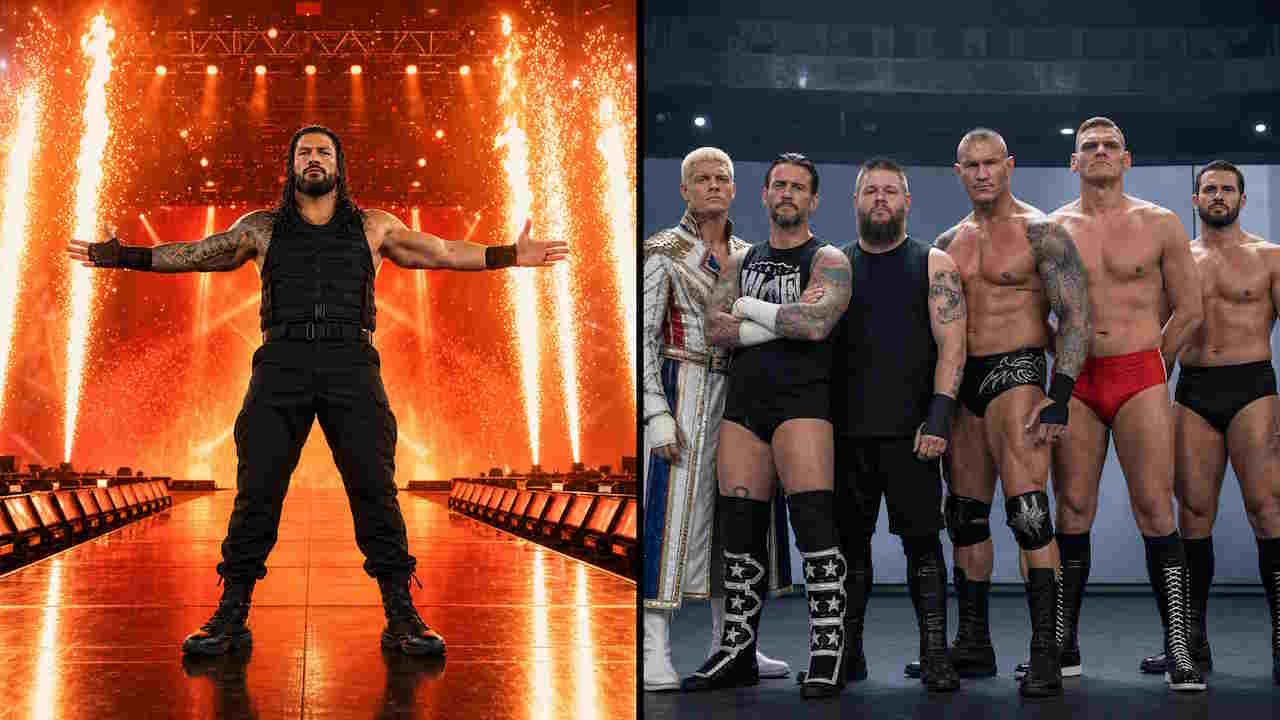
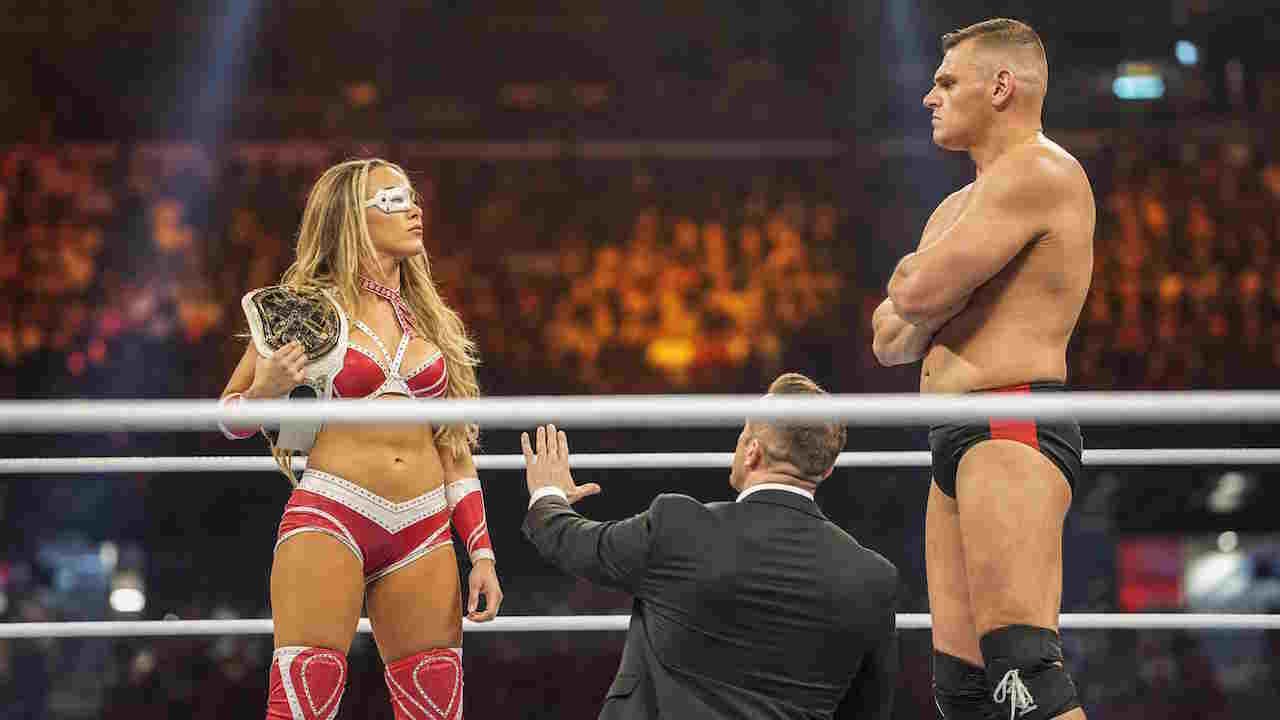
He also made a point that is rarely stated so directly: WWE wrestlers and UFC fighters now work for the same company. TKO Group owns both promotions. The same executives who decide what Roman Reigns earns are deciding what Jon Jones earns. And yet the two talent pools have almost no collective bargaining power and seemingly no interest in working together to change that.
Fred Garcia, who has historically been sceptical of unionization in MMA, acknowledged that the end of the pay-per-view model might be the tipping point. When fighters could argue they were earning a share of event revenue, the incentive structure at least theoretically rewarded stars. With guaranteed streaming money, that argument vanishes. Garcia reiterated that pay transparency remains the most important first step before any formal union effort can succeed.
The UFC Is Not Growing the Sport
The final major theme of the episode was a damning comparison between the UFC and virtually every other major sports league. Simon pointed to Major League Baseball’s World Baseball Classic, the NFL’s international games in Europe, and hockey’s investment in youth development as examples of leagues that actively invest in growing their sports globally. The UFC, by contrast, is bleeding talent, suppressing wages, and producing cards that do not inspire the next generation of athletes to choose MMA over football, boxing, or basketball.
Simon’s Conor McGregor pay example drove the point home. Early in his UFC career, McGregor won a fight and celebrated a $50,000 bonus with genuine excitement — “Dana, 50 G’s baby!” In what other major professional sport would an athlete at the highest level be ecstatic about fifty thousand dollars? AJ D’Alesio took the point further: the first UFC event in 1993 paid fighters $50,000. More than two decades of growth later, the bonus structure was the same.
Rousey’s final point resonated most: why would any elite young athlete choose MMA when every other sport pays more, treats athletes better, and offers a clearer path to financial security? The UFC’s failure to answer that question is not just a business problem — it is an existential threat to the quality of the sport itself.
World Baseball Classic: Team Canada Takes on Team USA
Simon closed the show with a personal note about Team Canada’s surprising run in the 2026 World Baseball Classic. Canada won their group after beating Puerto Rico and Cuba, a scenario Simon said he never imagined. The quarterfinal matchup against Team USA on March 13 was set after the Americans finished as runners-up in their own group following a loss to Italy. Simon shared a personal connection to the team — his childhood camp counsellor, Russell Martin, is serving as first base coach — and expressed genuine optimism about Canada’s chances despite acknowledging the Americans are favoured.
Frequently Asked Questions
What fights are on the UFC Freedom 250 White House card?
The confirmed UFC Freedom 250 card on June 14 features Ilia Topuria vs Justin Gaethje for the undisputed lightweight title, Alex Pereira vs Ciryl Gane for the interim heavyweight title, Sean O’Malley vs Aiemann Zahabi, Mauricio Ruffy vs Michael Chandler, Bo Nickal vs Kyle Daukaus, and Diego Lopes vs Steve Garcia.
Why is Jon Jones not fighting on the UFC Freedom 250 card?
Dana White claims Jon Jones has arthritis in his hip and cannot fight. However, Jones publicly disputed this on Twitter, revealing he was actively negotiating for the White House card, received stem cell treatment to prepare, and was low-balled financially. Jones has asked to be released from his UFC contract, but is unlikely to be granted that request.
Will Conor McGregor fight at UFC Freedom 250?
As of March 2026, Conor McGregor is not on the UFC Freedom 250 card. McGregor has publicly stated he wants to fight and has accepted every opponent offered, but the UFC has not booked him. Reports suggest the UFC is targeting McGregor for International Fight Week in July instead.
What did Ronda Rousey say about the UFC this week?
Rousey released a public statement criticizing the UFC’s direction since moving to a streaming model, saying it is no longer about putting on the best fights possible. She also revealed she tried to bring the Gina Carano fight to the UFC first but was turned down, and called the promotion “barely recognizable” under current TKO leadership.
Who won the Max Holloway vs Charles Oliveira BMF fight?
Charles Oliveira won a dominant decision over Max Holloway for the BMF title, controlling the fight with wrestling for the majority of the five rounds. The performance was technically impressive but widely criticized for not delivering the exciting stand-up battle that BMF title fights are expected to produce.