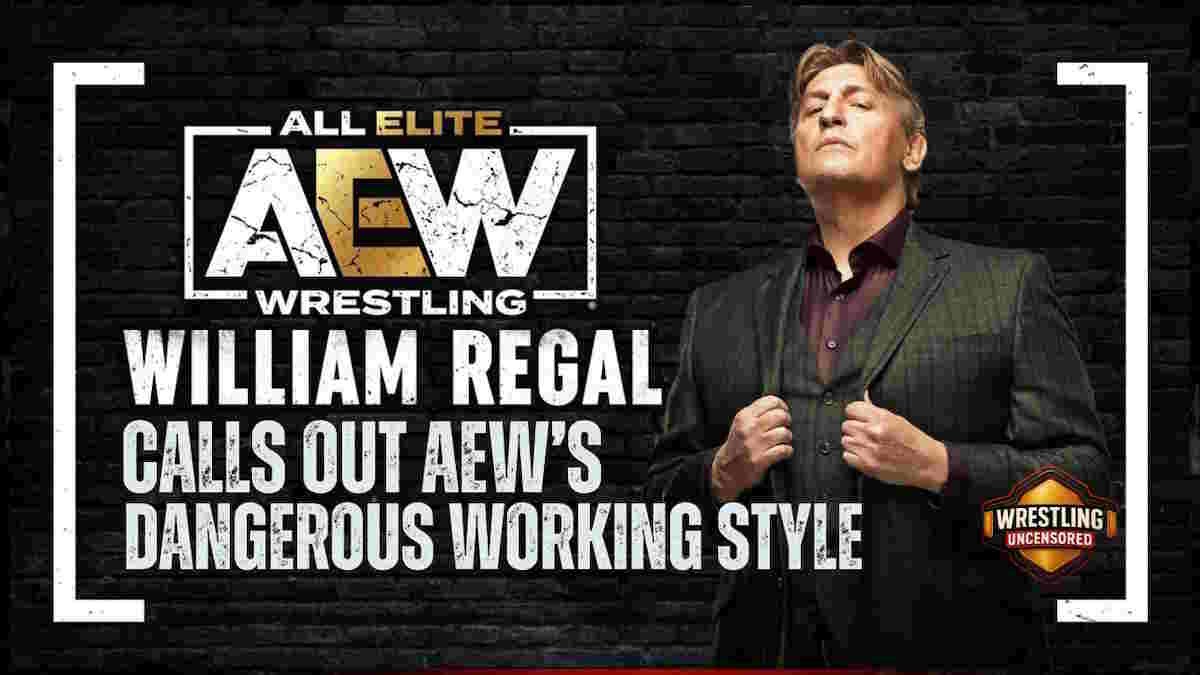

When William Regal publicly warned Tony Khan about AEW safety and the promotion’s dangerous working style, he wasn’t just voicing concern—he was exposing a fundamental identity crisis that’s been building since All Elite Wrestling’s first show. The question isn’t whether Regal was right to speak up. The question is whether anyone in Jacksonville is actually listening.
The reality is this: AEW has spent five years building its brand on being the alternative, the place where wrestlers can work the style they want without corporate restrictions. That freedom created incredible moments and launched careers. It also created a culture where questioning safety became synonymous with not understanding the product.
Regal’s comments deserve attention not because he’s a legendary figure — though his decades of experience matter — but because they represent a perspective AEW desperately needs to hear. This isn’t about being soft or killing the business. This is about whether a promotion can sustain its identity while protecting the people who make it possible.
The Clash Between Philosophy and Reality
Here’s what matters: William Regal comes from a tradition in which protecting your opponent is the highest form of respect. Where working snug meant looking believable without actually injuring someone. Where the goal was a 20-year career, not a 20-minute highlight reel.
AEW was founded on a different philosophy — that modern audiences demand more, that wrestlers should have creative freedom, that the best matches require risk. Tony Khan has repeatedly defended this approach, citing wrestlers’ satisfaction and creative fulfillment.
Both perspectives have merit. The AEW safety question is that they’re fundamentally incompatible at the extremes
The Injury List Tells Its Own Story
When you examine AEW safety through the injury rate compared to other major promotions, patterns emerge. Yes, WWE has injuries too — any physical performance art does. But the types of injuries matter. The frequency of concussions matters. The number of wrestlers working hurt because the culture demands it matters.
What’s often overlooked is that many of AEW’s most serious injuries haven’t come from botches or accidents. They’ve come from spots that went exactly as planned. That’s not bad luck. That’s a systemic issue with what’s considered acceptable risk.
The AEW Safety Response Problem
AEW’s public reaction to Regal’s comments has been telling. Rather than engaging with the substance, the response has largely been defensive — emphasizing the wrestler’s choice, pointing to medical staff, and suggesting critics don’t understand modern wrestling.
This is where Tony Khan’s dual role as promoter and fan creates problems. As a fan, he loves the high-risk style that made him fall in love with wrestling. As a promoter, he’s responsible for the long-term health of his roster. Those priorities don’t always align.
The reality is that wrestler choice is complicated when the culture rewards risk-taking, and the boss is marking out for dangerous spots. When your employer’s eyes light up at a crazy bump, that’s not really a free choice — that’s understanding what gets you pushed.
Historical Precedent We Can’t Ignore
This isn’t new territory. ECW built its brand on extreme violence and revolutionary freedom. It also left a trail of broken bodies and shortened careers. Many of those wrestlers now openly discuss the long-term costs of that culture.
Japan’s junior heavyweight scene in the ’90s produced some of the greatest matches ever worked. It also normalized head drops and neck bumps that ended careers and caused permanent damage. The style evolved not because it wasn’t exciting, but because it wasn’t sustainable.
WWE’s Attitude Era created megastars and record business. It also established working patterns that led to the wellness policy, concussion protocols, and chair shot bans we see today. Those changes didn’t kill the business — they saved lives.
My Bold Prediction: The Culture Shifts or the Roster Breaks
Here’s where I’m planting my flag: Within 18 months, either AEW safety protocols will be implemented significantly, or they will face a catastrophic injury that forces change under outside pressure. — insurance companies, TV networks, or regulatory bodies.
This isn’t about AEW becoming WWE-lite. This is about the mathematical reality that you cannot sustain a roster working this style at this frequency. The human body has limits, and AEW’s schedule, combined with their working style, is testing those limits weekly.
The promotion has already cost key performers significant time. As the roster ages and accumulated damage compounds, this problem only intensifies. Something has to give.
Where This Prediction Could Be Wrong
I’ll acknowledge the counterargument: Maybe AEW’s medical staff and protocols are better than they appear from the outside. Maybe the injury rate is actually comparable to other promotions when you account for roster size and show frequency. Maybe wrestlers genuinely prefer this environment and accept the risks with full understanding.
But even if all that’s true, perception matters. When a respected figure like Regal speaks up, when fans increasingly discuss safety concerns, when the discourse shifts from “amazing matches” to “dangerous working style” — that affects business whether the underlying reality changes or not.
What Actually Happens Next
The most likely outcome is incremental change disguised as business as usual. Certain spots quietly disappear from shows. Medical staff becomes more visible. Commentary emphasizes safety measures. Khan continues defending the overall philosophy while implementing restrictions behind the scenes.
That’s probably the smart play — evolution without admission, protection without publicity. But it only works if the changes are real and comprehensive, not just cosmetic adjustments to manage criticism.
What’s at stake isn’t just AEW’s reputation or business model. It’s whether this generation of wrestlers gets to have post-wrestling lives that aren’t defined by pain, cognitive decline, and regret. That matters more than any match rating or quarterly rating.
Regal’s warning wasn’t an attack on AEW. It was a lifeline from someone who’s seen this story before and knows how it ends. The question is whether pride and philosophy will prevent Jacksonville from grabbing it before it’s too late.
The combat sports authority isn’t about taking sides — it’s about recognizing patterns and calling them as they are. This pattern is clear, the precedent is established, and the clock is ticking. How AEW responds will define not just their brand, but their legacy.
The AEW safety question isn’t just about reputation or business model. It’s whether this generation of wrestlers gets post-wrestling lives not defined by pain and cognitive decline.