Ben Askren never lost a fight in his prime. Undefeated through Bellator, ONE Championship, and most of his UFC run before the Jorge Masvidal knee that became a meme. But the fight he’s facing now? No training camp prepares you for a double lung transplant.
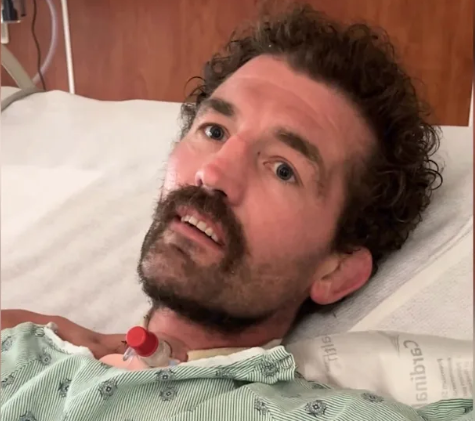
In early June 2025, Askren was coaching, training, and living the post-fight routine familiar to retired athletes. Then severe pneumonia hit, complicated by a staph infection. Within days, he became unresponsive. By mid-June, he was on full ventilator support. On June 30, 2025, he underwent a double lung transplant—and later learned he “only died four times” during the ordeal.
The reality is this: when we talk about fighter mentality translating to real-world adversity, we’re usually being metaphorical. Ben Askren’s situation isn’t a metaphor. The former Olympian and welterweight champion is literally fighting for his life, and the mental framework that made him elite in the cage is now the thing keeping him moving forward through a medical nightmare most of us can’t comprehend.
What’s often overlooked in these stories is how the same traits that make someone a champion fighter can actually complicate their response to medical crises. Let’s examine what combat sports actually teach us about survival when the opponent is your own body.
What Actually Happened?
Askren’s medical crisis didn’t follow the slow-burn pattern people expect when they hear words like “transplant.” According to updates shared by his wife Amy, the pneumonia and staph infection spiraled fast—aggressively attacking his respiratory system until his lungs simply stopped functioning on their own.
On June 24, 2025, doctors made the call no family wants to hear: without a transplant, there were no remaining options. Six days later, donor lungs became available.
When Askren finally woke up after the surgery, he had no memory of roughly six weeks of his life. He had to reconstruct that period by reading a journal his wife kept while he was unconscious. He’d lost 50 pounds. In a typically blunt fashion, he joked about the “four times” his heart stopped—the tough wrestler persona intact, now paired with the reality of organ failure and sheer medical trauma.
The Warrior Mentality Meets Medical Reality
Here’s what matters about Askren’s approach to this transplant: he’s treating it the same way he treated every opponent who stood across from him. Study the problem, understand the mechanics, control what you can control, and refuse to acknowledge the possibility of defeat. That mindset carried him through an Olympic wrestling career and multiple world championships.
But medical battles operate on different rules than athletic competition. In the cage, Askren’s relentless pressure and refusal to break made him nearly impossible to finish. He could absorb punishment, maintain composure, and grind opponents down through pure will. A double lung transplant doesn’t care about your will. The surgery happens on the medical team’s timeline, not yours. Recovery follows biological rules, not mental ones.
That’s the thing about elite athletes facing health crises—their greatest strength can become a liability. The same mentality that says “I can push through anything” has to be recalibrated to “I need to listen to my body and follow medical guidance.” For someone who built a career on imposing his will on every situation, that’s a harder adjustment than any weight cut.
That recalibration is literal for Askren. He has no memory of the weeks when his body was fighting hardest. The journal Amy kept—documenting decisions, setbacks, and small victories he’ll never recall—became his only window into the battle he was unconscious for. Imagine being a control-obsessed wrestler and learning you survived something you can’t even remember fighting.
What Combat Sports Actually Teaches About Survival
The mental toughness we celebrate in fighters isn’t just about pain tolerance or refusing to quit. The best combat athletes—the ones who last—develop something more valuable: the ability to stay calm in chaos, process information under stress, and make tactical adjustments when the original plan fails.
That’s the skill set that translates. Askren’s wrestling background means he’s spent thousands of hours in positions where he couldn’t breathe properly, his body screaming for him to panic, and he learned to stay technical instead. That specific experience—managing respiratory distress while maintaining mental clarity—is genuinely relevant to what he’s facing now.
But let’s be honest: there’s also a dark side to fighter psychology that doesn’t serve you in medical situations. The culture that celebrates fighting through injuries, hiding pain from coaches, and never showing weakness? That gets people hurt. The mentality that says “I know my body better than any doctor” has shortened careers and worsened injuries across every combat sport.
The Historical Precedent We Can’t Ignore
Combat sports history is full of athletes who faced life-threatening health issues, and the outcomes tell us something important: the ones who survived and thrived weren’t necessarily the toughest or most mentally strong. They were the ones who could adapt their fighter mentality to a different kind of battle.
Shane Mosley dealt with serious health complications. Evander Holyfield had a heart condition that should have ended his career earlier than it did—and maybe should have. Muhammad Ali’s Parkinsonian syndrome became the defining challenge of his later life, requiring a complete reframing of what “fighting” meant.
The reality is that medical battles require a different kind of courage than athletic ones. It’s not the courage to push through pain—it’s the courage to be vulnerable, to accept help, to acknowledge limitations. That’s harder for elite athletes than any physical challenge.
Where Askren’s Specific Background Helps
Askren’s wrestling pedigree gives him one massive advantage: wrestlers are used to playing the long game. Unlike strikers who train for explosive moments or submission specialists hunting for finish opportunities, wrestlers build their entire approach around sustained pressure over time. That patience, that understanding that dominance is cumulative rather than instantaneous, is precisely what transplant recovery requires.
The surgery is just the beginning. Recovery is measured in months and years, not rounds and fights. Askren’s entire athletic identity was built on being willing to do the boring, grinding work that other fighters avoided. That’s the mentality that serves you when you’re facing endless physical therapy sessions and incremental progress.
The Family Behind the Fight
For all the attention on Ben, the heaviest load has fallen on Amy Askren.
Throughout the crisis, she became the public voice for a private nightmare—sharing updates, clarifying timelines, and preparing for what she called a “new lifestyle” after the transplant. That phrase is understated. A lung transplant doesn’t restore your old life. It replaces it.
The journal she kept wasn’t just documentation. It was emotional triage—long days in ICU rooms, decisions made without knowing outcomes, recording events for a partner who might never remember them.
Photos from Askren’s recovery showed hospital rooms decorated with notes and drawings from his children. A small detail, but telling. The family worked to keep the connection alive in a setting built for machines, alarms, and schedules.
Post-transplant life now includes lifelong immunosuppressant medication, intensive rehabilitation, frequent specialist follow-ups, and ongoing medical costs. The MMA community’s fundraising efforts recognized what many miss: surviving the surgery is only step one.
What This Could Mean for Combat Sports
Askren has always been willing to say what other fighters won’t. He criticized UFC’s pay structure when it wasn’t popular. He called out absurd matchmaking decisions. He joked about “only dying four times” while still in recovery. That dark honesty is precisely what the combat sports world needs right now.
If—and only if—he chooses to use this platform, Askren could become one of the most important voices in the sport regarding long-term athlete health. Not the “never quit” mythology, but the real conversation: that there’s a difference between competitive toughness and medical recklessness. That seeking help isn’t a weakness. That fighter culture’s toxic silence around health issues costs lives.
Whether he takes on that role is entirely his call. Recovery alone is a full-time job. Not every personal struggle needs to become a public platform. But if anyone’s earned the credibility to have that conversation, it’s a guy who came back from four cardiac arrests with his sense of humor intact.
Ben Askren is back wrestling 🙏 pic.twitter.com/wDWqoblJno
— Dovy🔌 (@DovySimuMMA) November 7, 2025
What Happens Next
The truth is that recovery is measured in months and years, not rounds and fights. Askren’s life now revolves around medication schedules, infection prevention, rehabilitation protocols, and gradual rebuilding. Progress comes in increments that would frustrate anyone—but especially someone who built a career on imposing his will.
What we do know is that Ben Askren has spent his entire life preparing for fights where the odds were against him. He’s made a career out of proving people wrong, outworking everyone around him, and finding ways to win that nobody expected. Those skills matter. They won’t determine the medical outcome—biology and surgical expertise will do that—but they’ll evaluate how he approaches every day of the recovery process.
Askren later joked that the outpouring of support from the MMA community felt like attending his own funeral—except he got to read the messages. That dark humor is pure Askren. So is the refusal to sentimentalize what happened.
This story matters not because it’s dramatic, but because it’s real. Combat sports teach us about human capability and mental strength. Ben Askren’s fight beyond the octagon—one he can’t even fully remember—will teach us what that strength actually means when the stakes are life itself.
The Ringside Report community is behind Ben Askren. Join us every Thursday at 8 PM on Ringside Report MMA, where we cover the fights that matter—in the cage and beyond.