
Ronda Rousey’s UFC Legacy: How the Division She Built Has Evolved in Her Absence
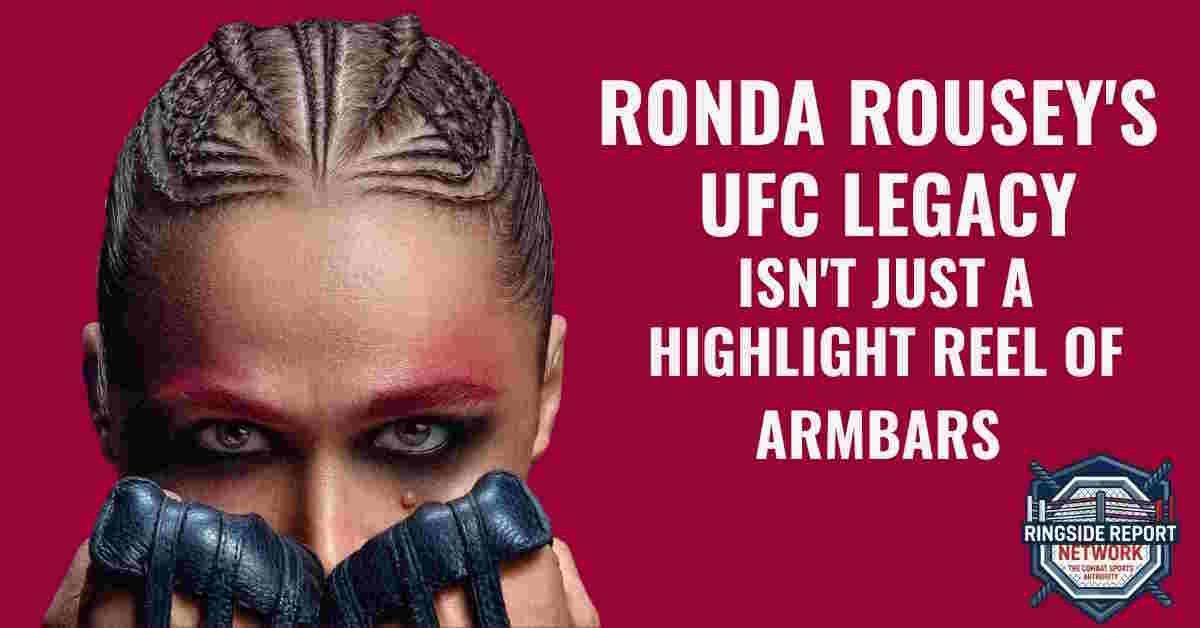
Ronda Rousey’s UFC legacy runs deeper than six title defenses and a highlight reel of sub-one-minute armbars. When she walked away from MMA following her December 2016 loss to Amanda Nunes, she left behind something far more significant than a championship belt — she left behind an entire weight class she had willed into existence through sheer star power. The UFC Women’s Bantamweight division did not exist before her. Now, nearly a decade later, it is one of the most competitive weight classes in the sport, currently headlined by Kayla Harrison — another Olympic judo gold medalist — who submitted Julianna Peña at UFC 316 to claim the title Rousey first made famous. As the May 16 Netflix superfight against Gina Carano approaches, Ringside Report traces the full arc: how Rousey left, what the division became in her absence, and why the foundation she built has proven stronger than anyone gave her credit for.
Gene LeBell: The Godfather of Grappling
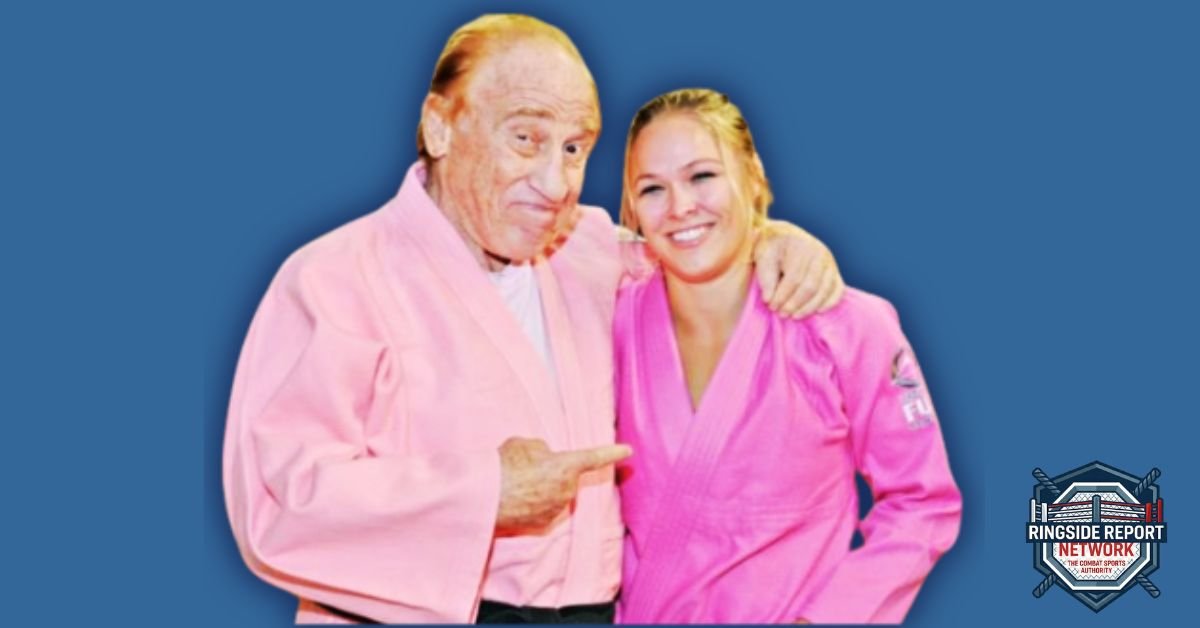
Gene LeBell (1932-2022) was “The Toughest Man Alive” — a two-time national Judo champion, 10th degree red belt, professional wrestler, and Hollywood legend with over 1,000 film credits. He competed in the first televised MMA fight in America (1963), trained Bruce Lee in grappling, allegedly choked out Steven Seagal, and mentored Ronda Rousey. This is the complete story of the man who connected Judo, catch wrestling, pro wrestling, and MMA.