Fight IQ

Gi vs No-Gi Jiu-Jitsu: Key Differences and How to Transition
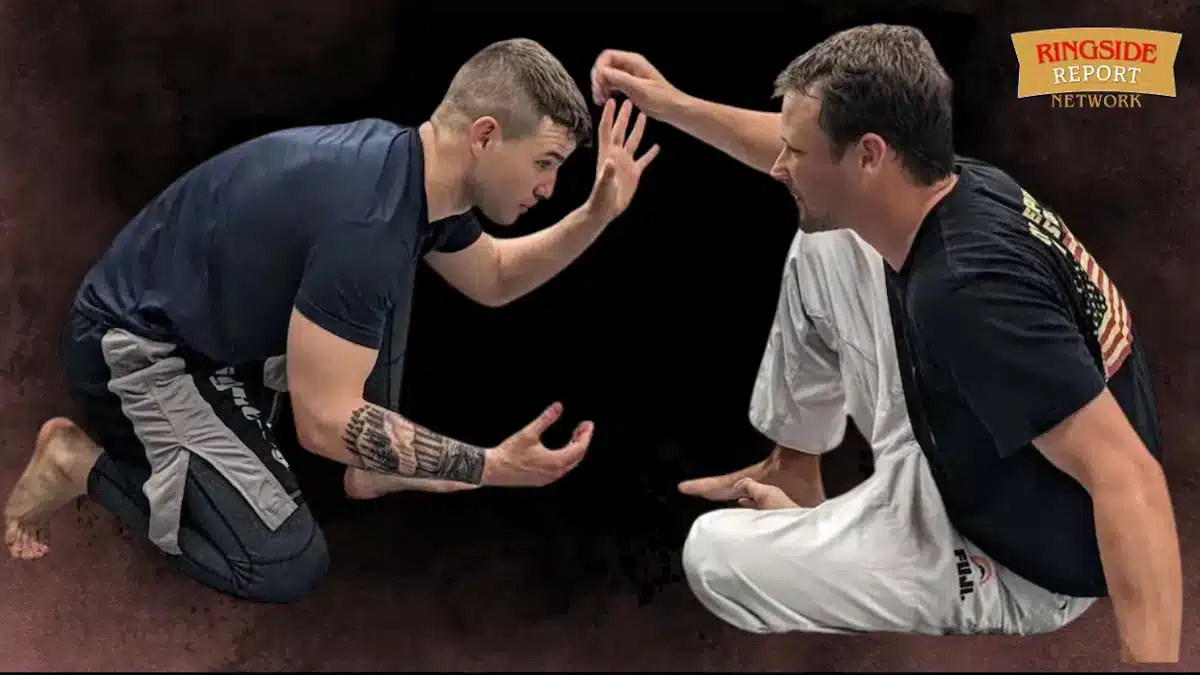
The pace is one of the first shocks to the system when transitioning from gi to no-gi. No-gi grappling is often faster-paced, demanding quick reactions and decision-making.

Big Opinions. Bigger Reactions.
The pace is one of the first shocks to the system when transitioning from gi to no-gi. No-gi grappling is often faster-paced, demanding quick reactions and decision-making.
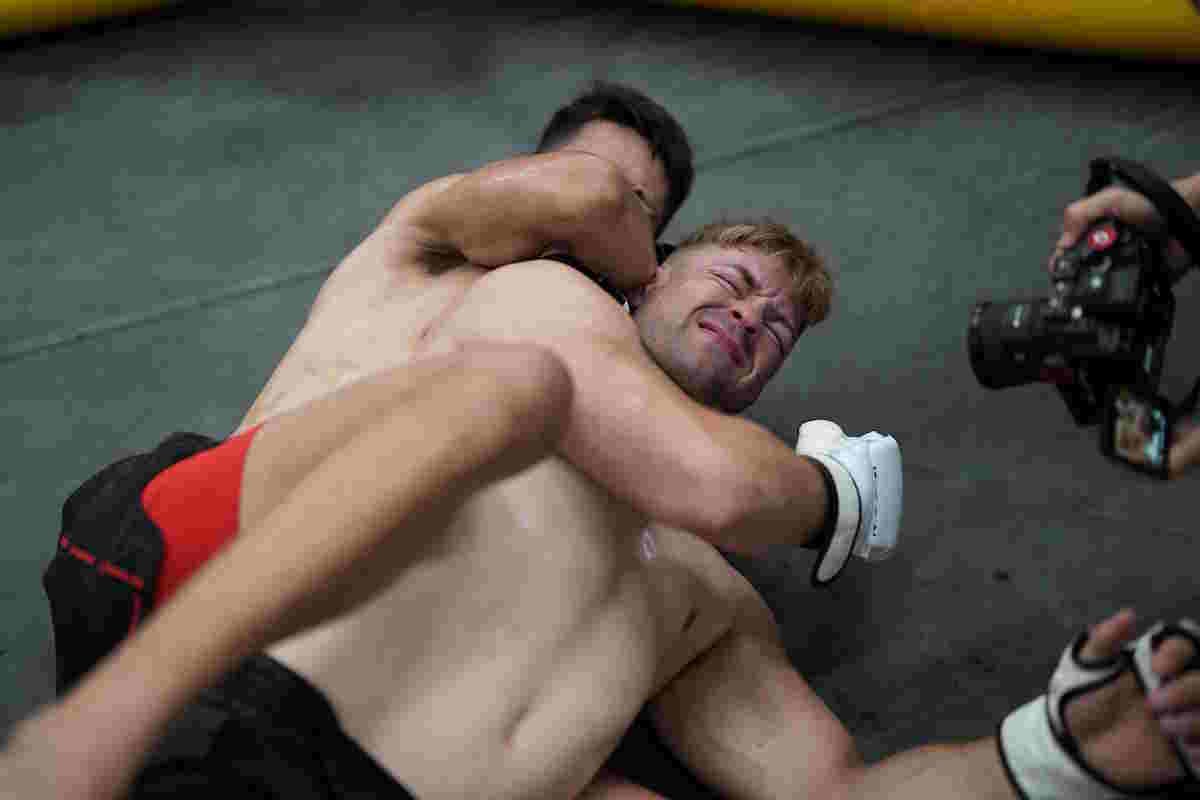
The rear naked choke accounts for more UFC finishes than any other submission. From Gene LeBell’s 1963 victory to Islam Makhachev’s dominance, discover why this blood choke works regardless of size, strength, or skill level—and how to master it.

What is split decision in UFC and MMA? Two of three judges score for one fighter, the third for the other. Here’s how the 10-point must system works and why judges disagree.

Why do unanimous MMA decisions still spark heated debates among fans despite representing the clearest possible judging outcome? The scoring system reveals surprising complexities.

Why wrestlers like Mark Coleman revolutionized MMA forever with one devastating technique that psychologically breaks opponents before physical submission.

Why most fighters abandon brute strength for calculated grappling moves that decide 70% of professional MMA victories. The chess match begins now.

Why most fighters fail at striking: MMA’s brutal four-weapon system creates killers who can end fights from impossible angles.

Why most fighters abandon striking distance for the risky clinch position where devastating knees and fight-ending throws happen in seconds.

Learn why most fighters fail at sweeps from bottom position and master the precise timing techniques champions use to flip disadvantageous scenarios into dominant wins.
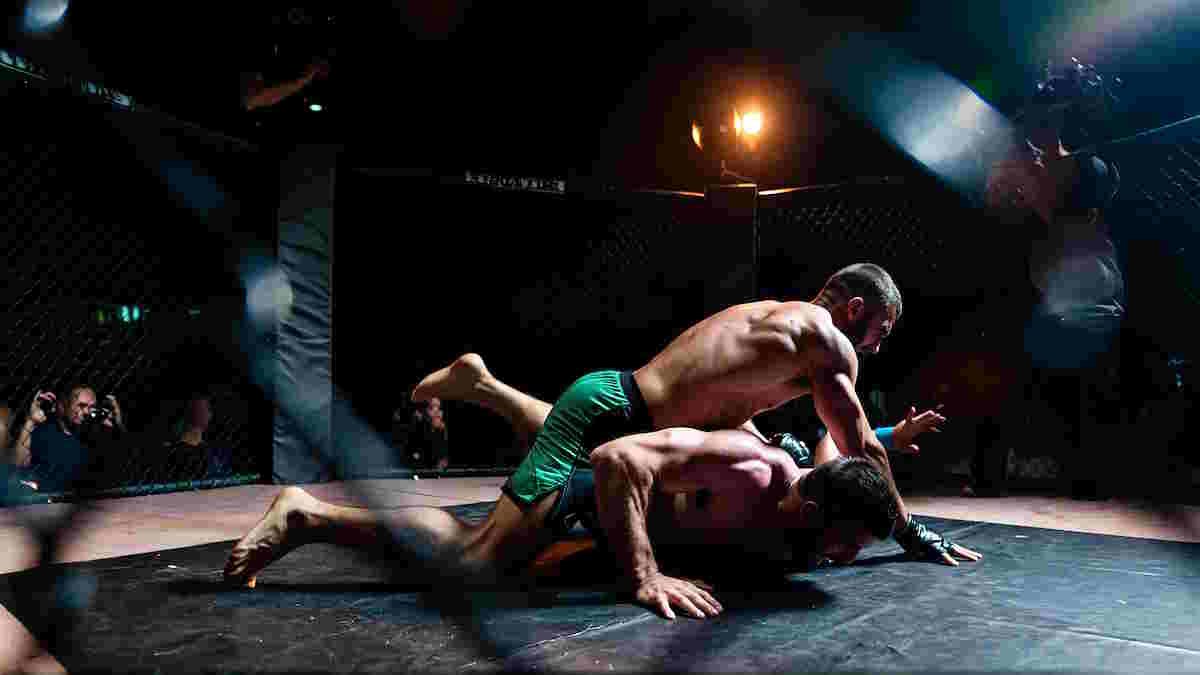
Sprawl and brawl is the MMA strategy built around stopping takedowns and winning on the feet. See how the sprawl works, who does it best, and where the style breaks down.